
Working to Keep Racehorses Safe
Advancements in technology and their growing use aim to reduce injuries in Thoroughbred racehorses.

Advancements in technology and their growing use aim to reduce injuries in Thoroughbred racehorses.

Horse hair offers insights into health, genetics, stress, and even history.

Dr. Wendy Krebs explains why your veterinarian should test a horse for sedatives and NSAIDs during the prepurchase exam.

Find out what conditions, beyond lameness, a veterinarian might uncover during a prepurchase exam.
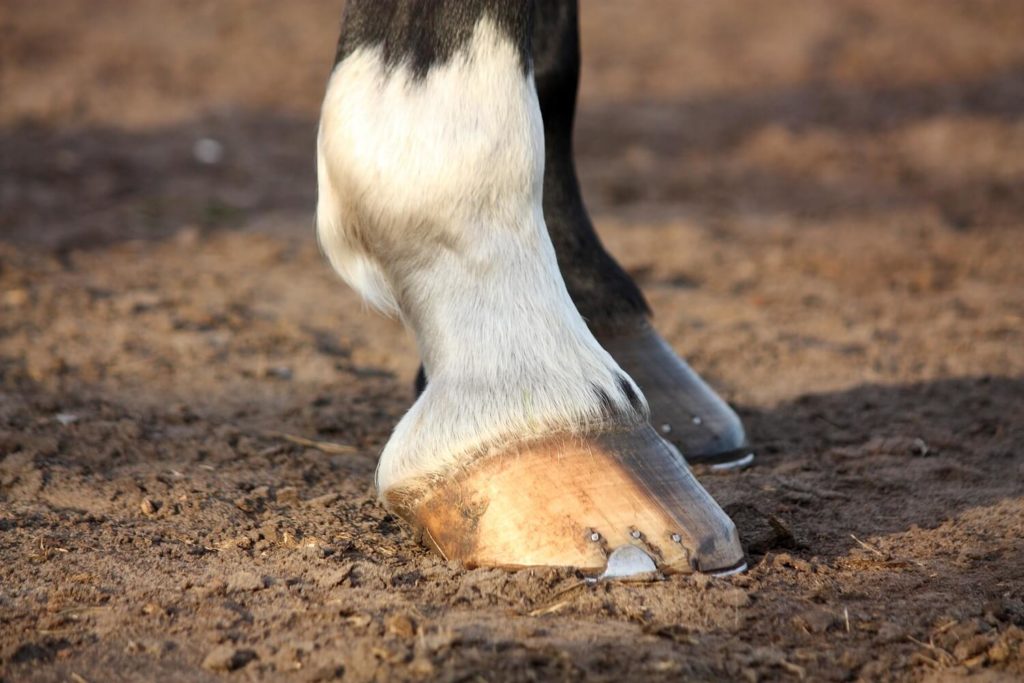
Researchers recently confirmed that a new drug test can detect the bisphosphonate tiludronate disodium (Tildren) in horses up to three years after they received the medication.

Dr. Scott Stanley of the University of Kentucky describes the challenges conventional drug testing presents and a potential biomarker-based solution.

Medina Spirit’s Kentucky Derby win remains in question after a postrace blood test indicated the presence of a prohibited corticosteroid. The colt’s Derby win marked the seventh for trainer Bob Baffert.

The USEF said that, in both natural and synthetic forms, CBD is likely to affect a horse’s performance due to its reported anxiolytic (anxiety-reducing) effects.

This gift will help the University of Kentucky launch a world-class equine drug research and testing program under the direction of Scott Stanley, PhD.

Bisphosphonates are FDA-approved for controlling clinical signs associated with navicular syndrome in horses ages 4 and older. Some veterinarians use them off-label to treat other equine bone issues. But could this off-label use be detrimental? One equine veterinarian recently gave a rundown on what research says.

Complete veterinary-record transparency, strict limitations on pain-relieving and/or anti-inflammatory medication/treatment, and banning therapeutic medications or treatments without a qualified veterinary diagnosis from a state-licensed veterinarian are among the agreed-upon initiatives.
Learn about the current challenges of medication regulation and drug testing in the race and sport horse industries.

The Association of Racing Commissioners International added more than 70 substances to Uniform Classification Guidelines for Foreign Substances and increased recommended penalties for clenbuterol and albuterol violations in Quarter Horse racing at the AQHA’s request,

With the two-day seminar, taking place Feb. 14-15 in Hong Kong, the FEI will explain equine and human anti-doping regulations and procedures and more.

Effective Dec. 1, horses granted a therapeutic use exemption can remain on pergolide with no drug withdrawal prior to competition and no need to file a medication report form each time they compete.

In a recent study, Chinese researchers validated a new hair test that can detect well over 100 prohibited substances in a single analytical run, even weeks and even months after doping occurred.