Equine Innovators: EHV-1 Explained: What the Science Tells Us
Equine veterinarians break down equine herpesvirus-1 transmission, testing, neurologic disease, and prevention.

Equine veterinarians break down equine herpesvirus-1 transmission, testing, neurologic disease, and prevention.

Dr. Holly Helbig and Dr. David Levine describe how they use SAA and other biomarkers to spot infection early, guide treatment, support biosecurity, and monitor horses in real time.
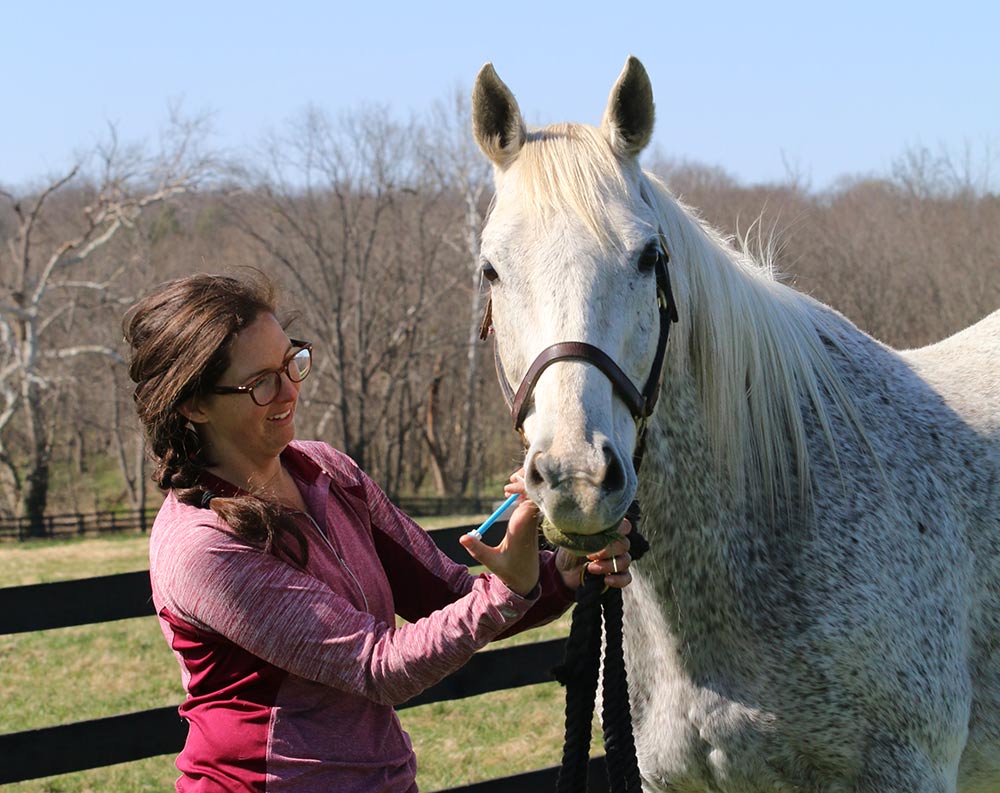
Dr. Martin Nielsen explains how testing and strategic deworming programs support effective parasite control and protect horses’ long-term health.
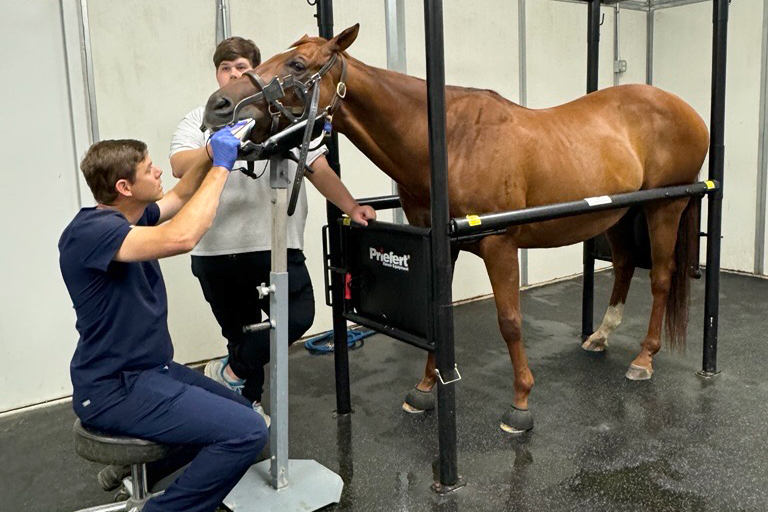
Dr. Lori Bidwell shares how horse sedation, including Dormosedan Gel, supports safe handling, standing procedures, and stress-free care for horses.

Horses still face the threat of West Nile virus. Dr. Sally DeNotta shares how it spreads, what signs to watch for, and why vaccination and mosquito control matter every year.

In this episode we discuss osteoarthritis in horses with Dr. Kara Brown and how early diagnosis and regenerative therapies can improve equine joint health and performance.

Dr. Uneeda Bryant describes how veterinary pathologists safeguard horse populations, determine causes of death, and protect the human-animal bond.

Dr. Lutz Goehring weighs in on what researchers have learned about equine herpesvirus-1, how it spreads, and how to prevent infection.
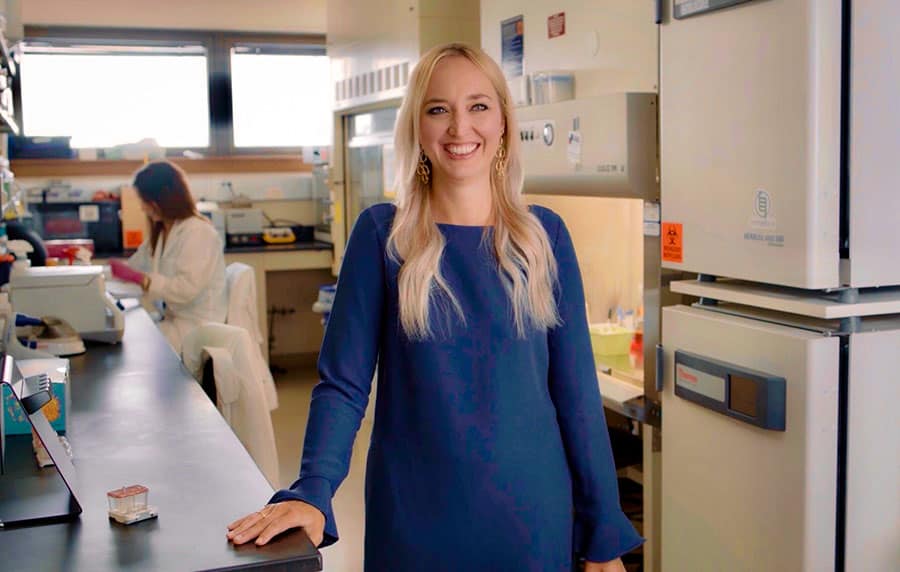
Dr. Carrie Shaffer of the University of Kentucky describes how in vitro models will help us better understand how we can prevent and fight disease in horses.

Dr. Steve Higgins of the University of Kentucky optimizes daily barn tasks for efficiency, cost savings, and environmental soundness.

Dr. Amanda Adams and Erica Jacquay of the University of Kentucky describe new research on how horses of all ages respond to transport—even just trips of 1.5 hours.

Dr. Barry Ball describes what he learned as the University of Kentucky’s Clay Endowed Chair in Equine Reproduction and over his 35 cumulative years of research.
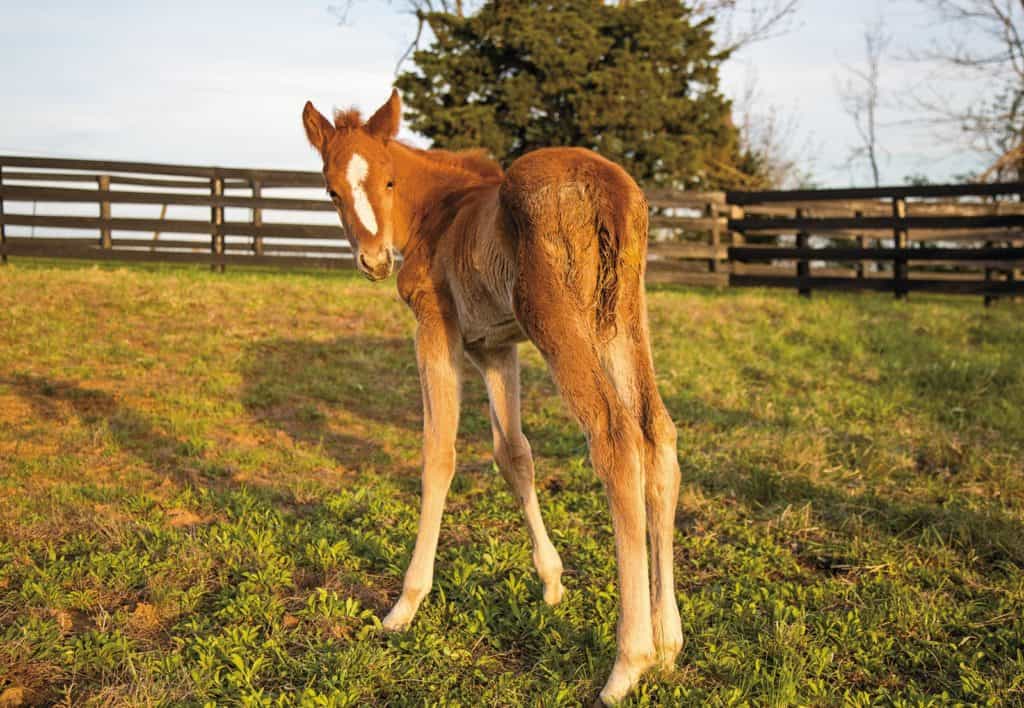
In this episode Dr. Emma Adam of the University of Kentucky describes the research that identified a novel strain of rotavirus in foal diarrhea cases this year.

Jill Stowe, PhD, of the University of Kentucky, recently studied how many American horse owners are willing to adopt wild horses and what type they’d select.

Learn from Dr. Jennifer Janes, part of the University of Kentucky’s CSI team for horse diseases, conditions, and poisonings.

Three scientists discuss genetic variation in horse breeds, why it’s important, and what we’ll learn from the Thoroughbred Genetic Diversity project.