Feeding the Athletic Senior Horse
Many senior horses remain active into their later years. Adjusting nutrition—opting for quality protein, fiber, fat, and antioxidants—supports health and performance.

Many senior horses remain active into their later years. Adjusting nutrition—opting for quality protein, fiber, fat, and antioxidants—supports health and performance.

Follow these 5 tips for feeding horses with recurrent colic while awaiting a diagnosis or targeted treatment.

An equine nutritionist explains the best way to switch your horse to a new hay and what to do if you have limited hay storage.
Learn tips and tricks for navigating the difficulties of managing overweight horses.
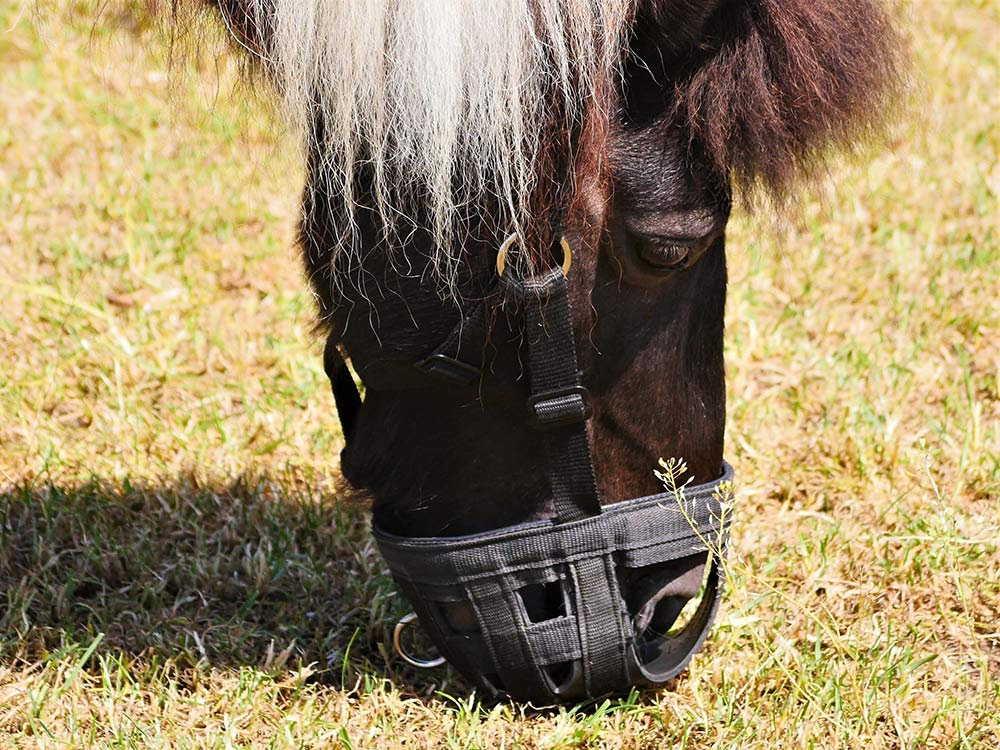
Grazing muzzles lowered insulin in a small study, but owners still need to consider pasture carbohydrates and their horses’ response when planning turnout.

Learn how to add calories safely to a metabolic horse’s diet without putting him at a greater risk of developing laminitis.
Nutritionist Dr. Clair Thunes shares advice on how to reduce your horse’s risk of colicking this fall.

Could supplements or physical therapy help keep a horse with degenerative suspensory ligament disease sound?

An equine nutritionist offers alternatives to soaking hay for horses that live in subfreezing climates during winter.
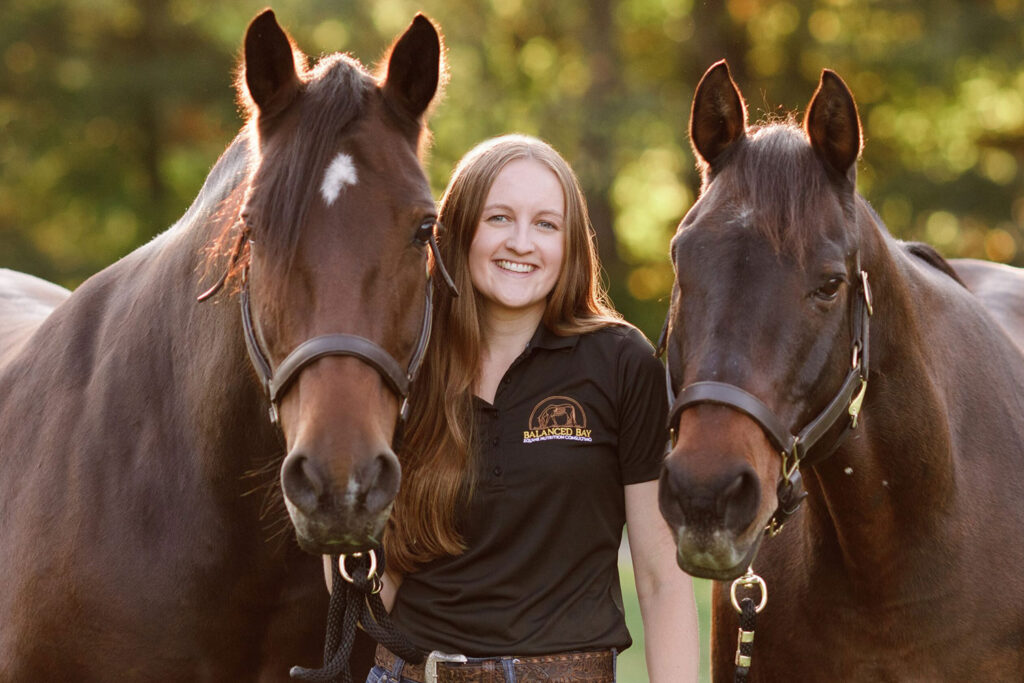
Equine nutritionist Madeline Boast shares her top management tips for feeding easy keeper horses in this podcast episode. Sponsored by Tribute Equine Nutrition.

Learn how to evaluate supplement labels, spot red flags, and decide which ingredients are worth your money in this article from the Fall 2026 issue of The Horse.

Check off these 8 important tasks before the colder weather arrives.

An equine nutritionist explains how a broodmare’s nutritional needs change during her pregnancy.
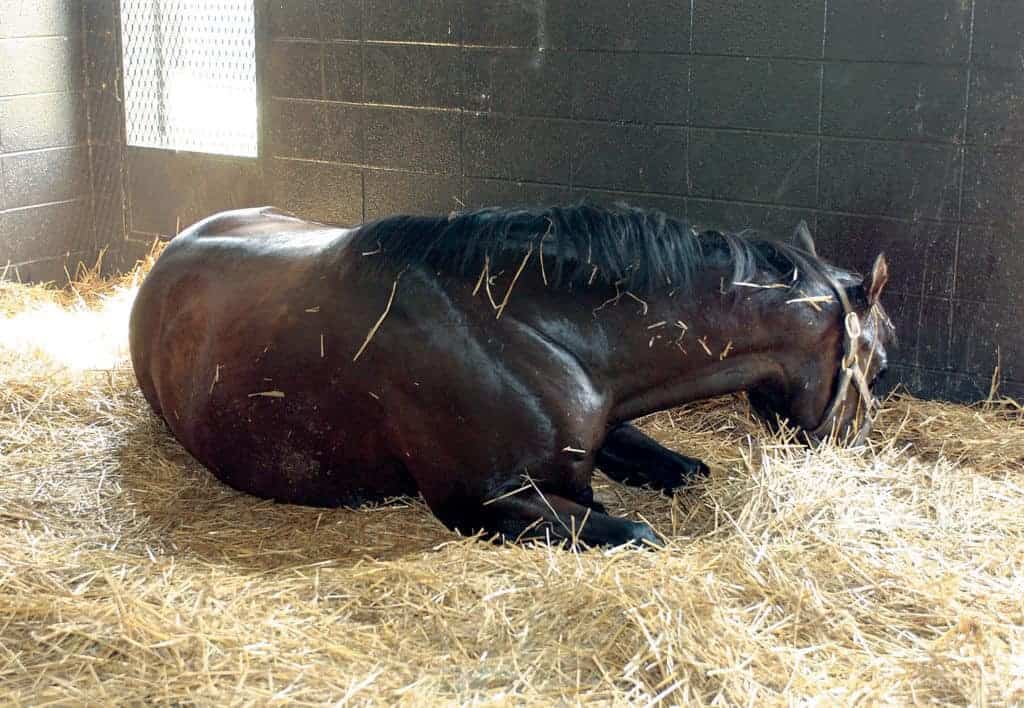
Recognizing and intervening early helps improve colic outcomes in horses.
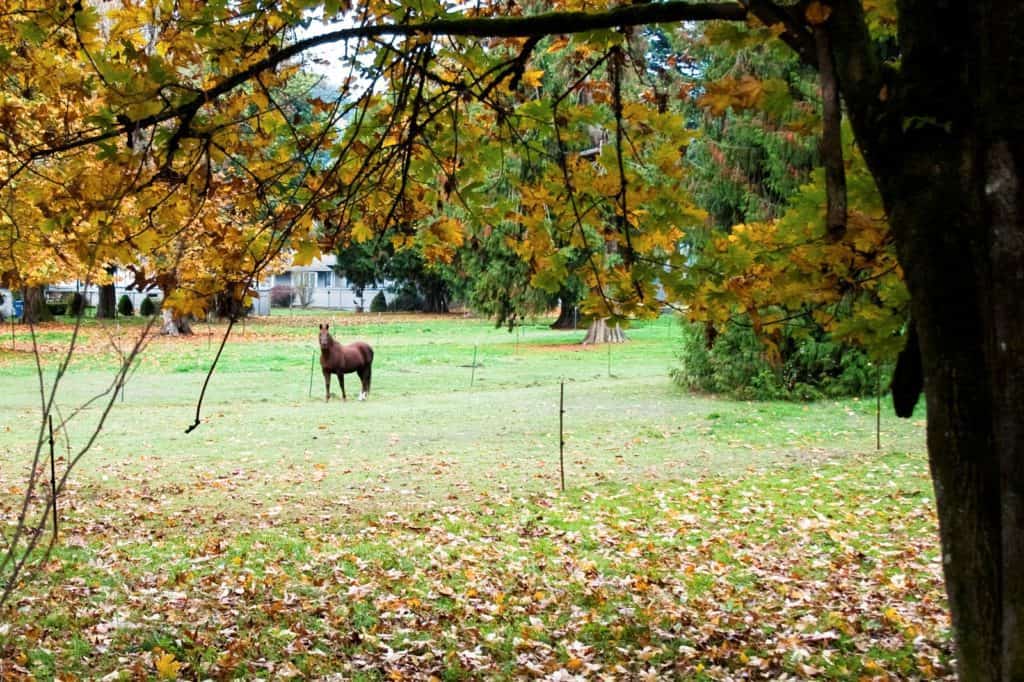
Is it okay for my horse to eat leaves that have fallen from trees in his pasture?
Not all ulcers are the same, and veterinarians must use gastroscopy to definitively diagnose them. Find out how and why veterinarians grade gastric ulcers. Sponsored by Endoscopy Support Services.