Crooked Lope: Training Issue or Lameness?
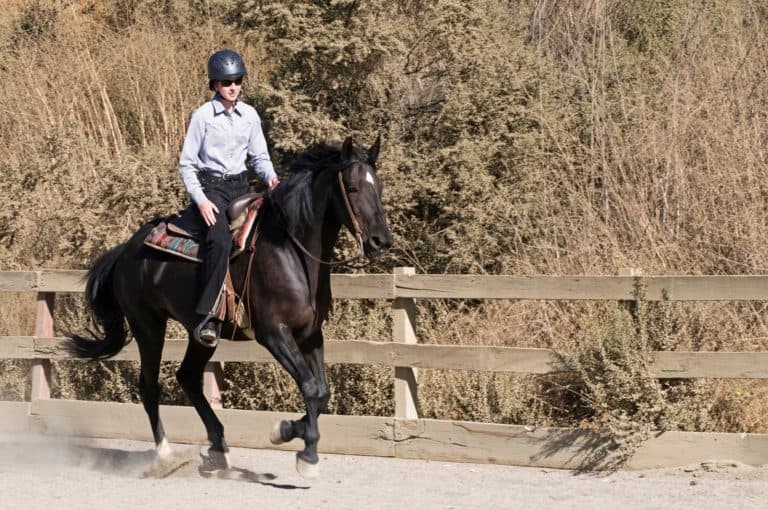
A sports medicine specialist looks at what could cause a Western dressage horse to travel haunches-in during the right-lead canter.

A sports medicine specialist looks at what could cause a Western dressage horse to travel haunches-in during the right-lead canter.

Always treat wounds near joints as emergencies. An equine veterinarian explains why and what you can do to limit the risk of infection until the vet arrives.

Restoring muscle glycogen, rehydrating, and ensuring a horse’s diet offers enough vitamin E all help with recovery after strenuous exercise.

Learn about the challenges and unique needs of school horses and how to keep them sound for the long haul.

Find out what commonly applied practices horse owners and caretakers tend to overdo.

Two equine hoof care professionals share examples of how they diagnosed, treated, and maintained horses suffering from hoof-related lamenesses.

Joint injections can be complicated by a horse’s age, purpose, and health. Here’s how veterinarians approach various scenarios.
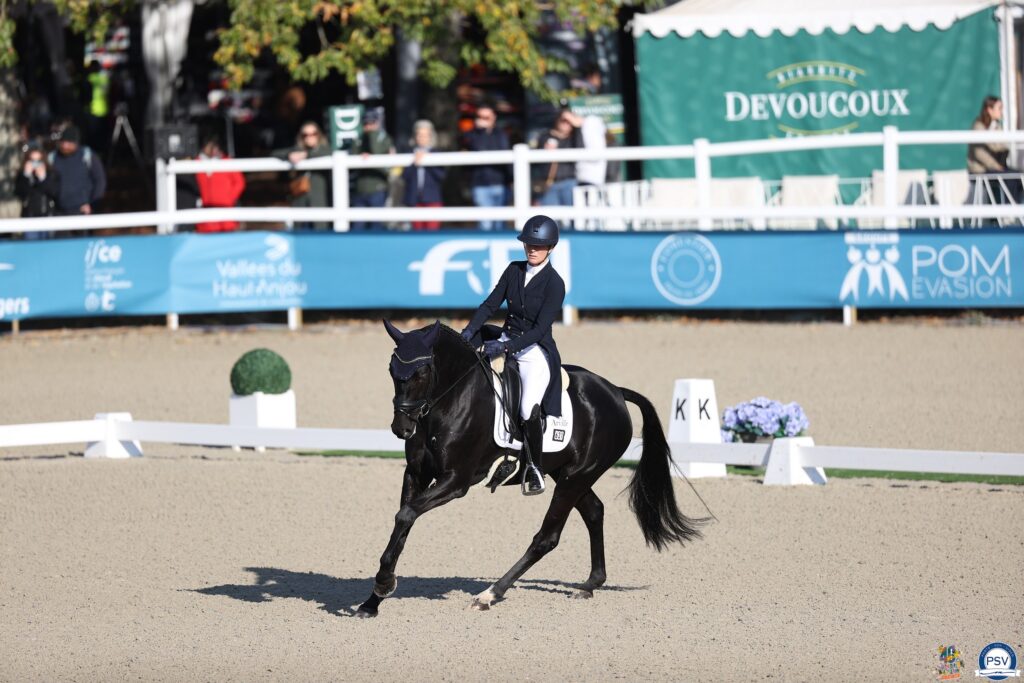
Subtle joint inflammation can limit performance before lameness appears. Learn how to recognize early stress and support active horses in training.
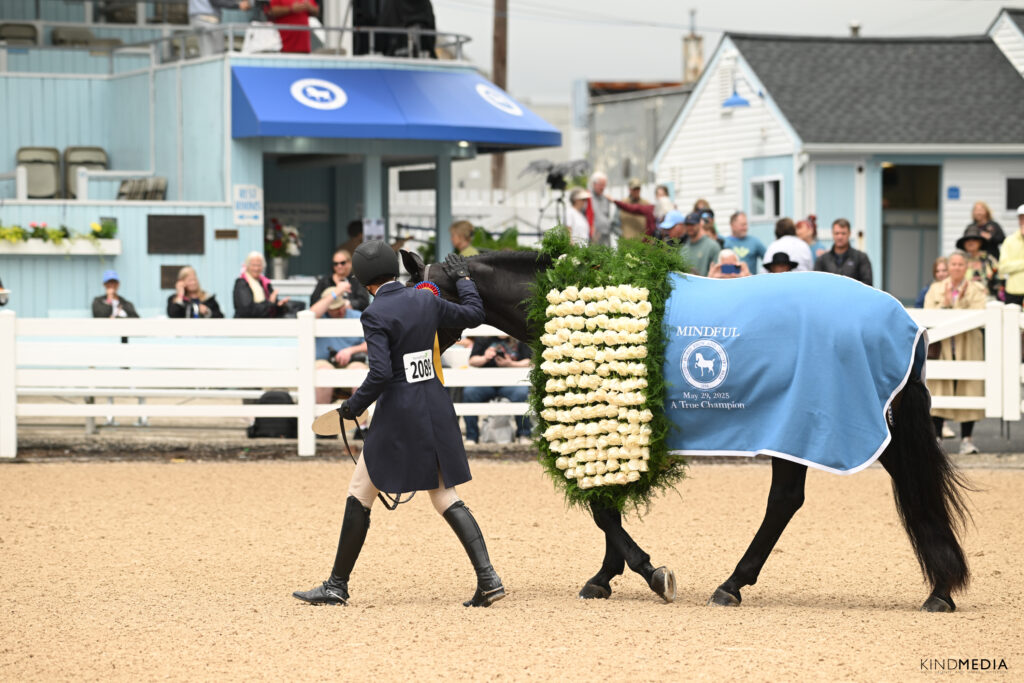
Read about how Mindful, a 21-year-old Hanoverian gelding, stayed competitive at the highest levels.

Learn how veterinarians get to the bottom of this complex cause of poor performance.
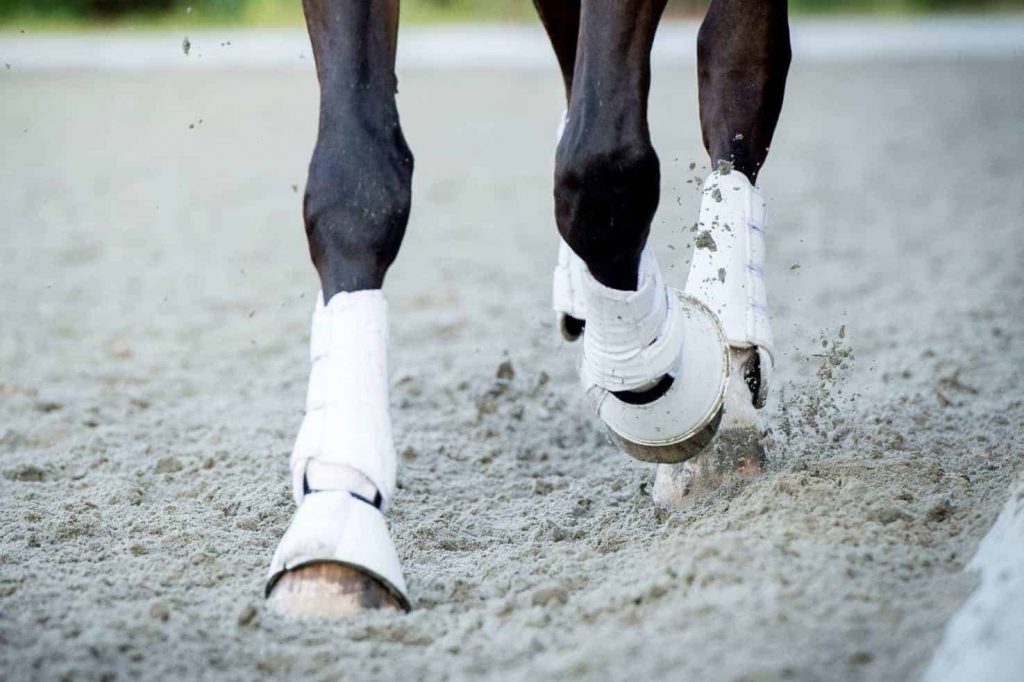
Weigh the risks and benefits of various types of boots and wraps before strapping them to your horse’s legs.

Do we underestimate the impact of ill-fitting tack on our horses? Learn how to recognize and address saddle fit problems.

Read about how veterinarians incorporate therapies such as acupuncture and PEMF to help your horse feel his best.
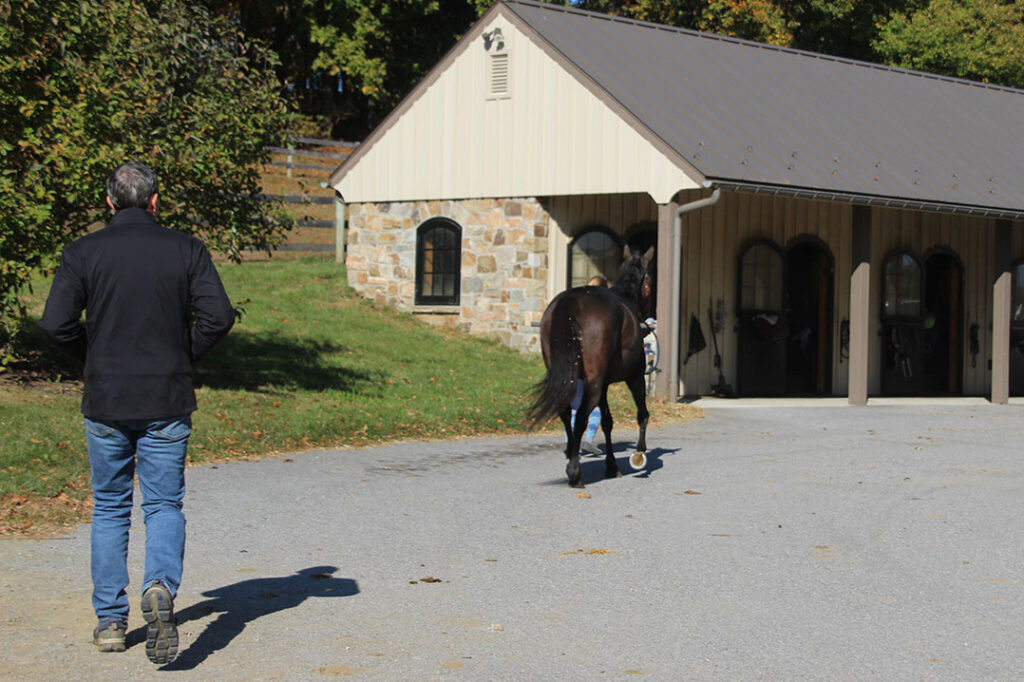
Here’s how veterinarians track osteoarthritis progression in horses as they age and how often your horse should be reevaluated.
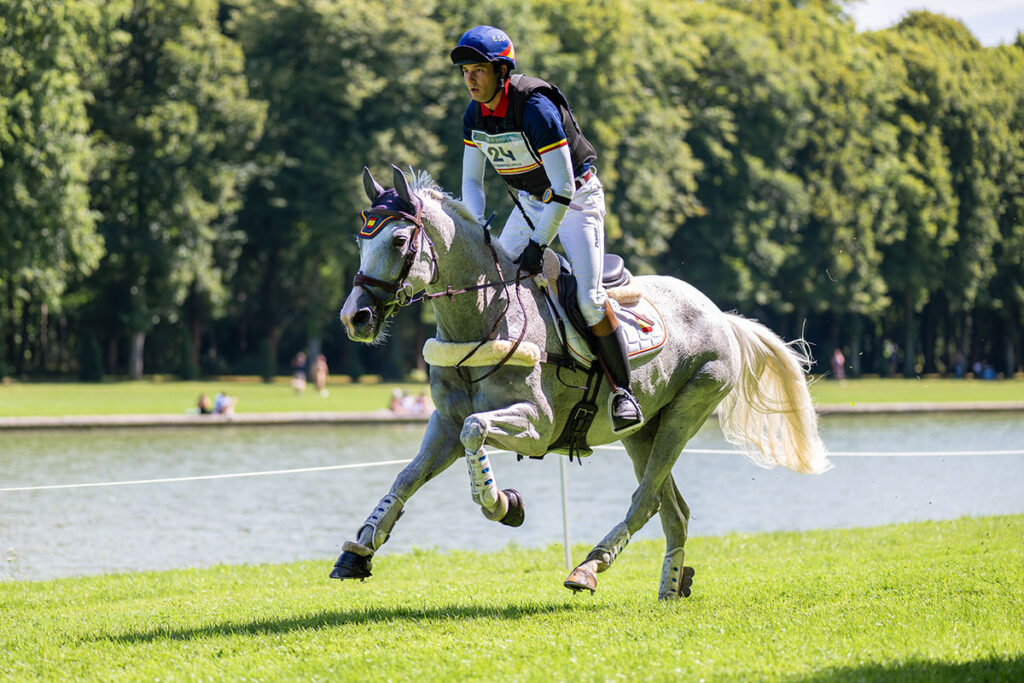
Giving horses sufficient time to recover from athletic events could help them avoid acute injury and long-term health problems.

Learn why veterinarians cannot prevent navicular disease entirely, but what they might be able to do to slow its progression and improve the horse’s comfort.