Crooked Lope: Training Issue or Lameness?
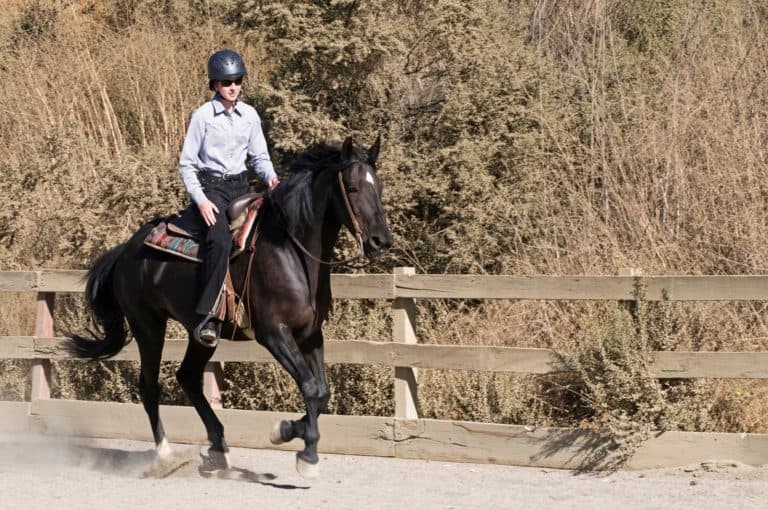
A sports medicine specialist looks at what could cause a Western dressage horse to travel haunches-in during the right-lead canter.

A sports medicine specialist looks at what could cause a Western dressage horse to travel haunches-in during the right-lead canter.

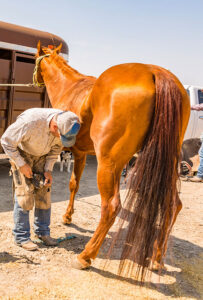
A youngster’s hoof care lays the foundation for his future. Here’s what you need to know about the first exam, mistakes to avoid, and common foal hoof and limb issues.

Learn which calming supplement ingredients work and things to consider before choosing or administering a product to your horse.

The USDA confirmed New World screwworm in a Texas calf, underscoring the importance of wound management, fly control, and early detection in horses and other animals.

Horses are social animals, and isolation can take a toll on their mental and physical health. Scientists continue to uncover the effects of social contact on horse welfare.
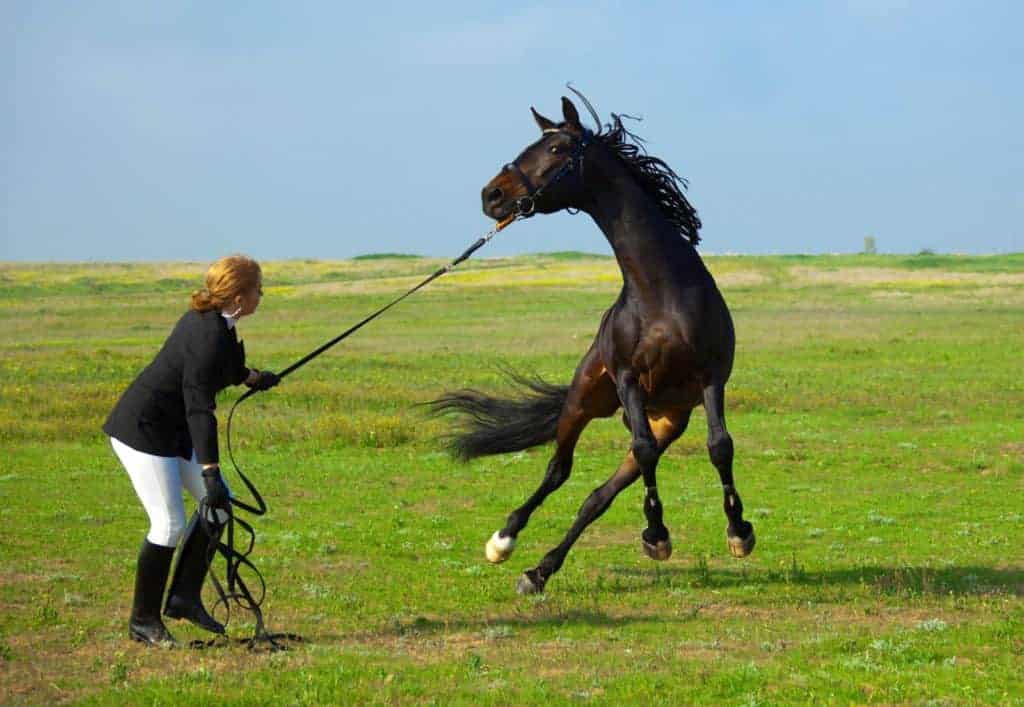
Traveling to horse shows (and clinics) can cause your horse stress and put him at risk for behavioral issues, gastric upset, and infectious disease.

Always treat wounds near joints as emergencies. An equine veterinarian explains why and what you can do to limit the risk of infection until the vet arrives.

Learn about the challenges and unique needs of school horses and how to keep them sound for the long haul.
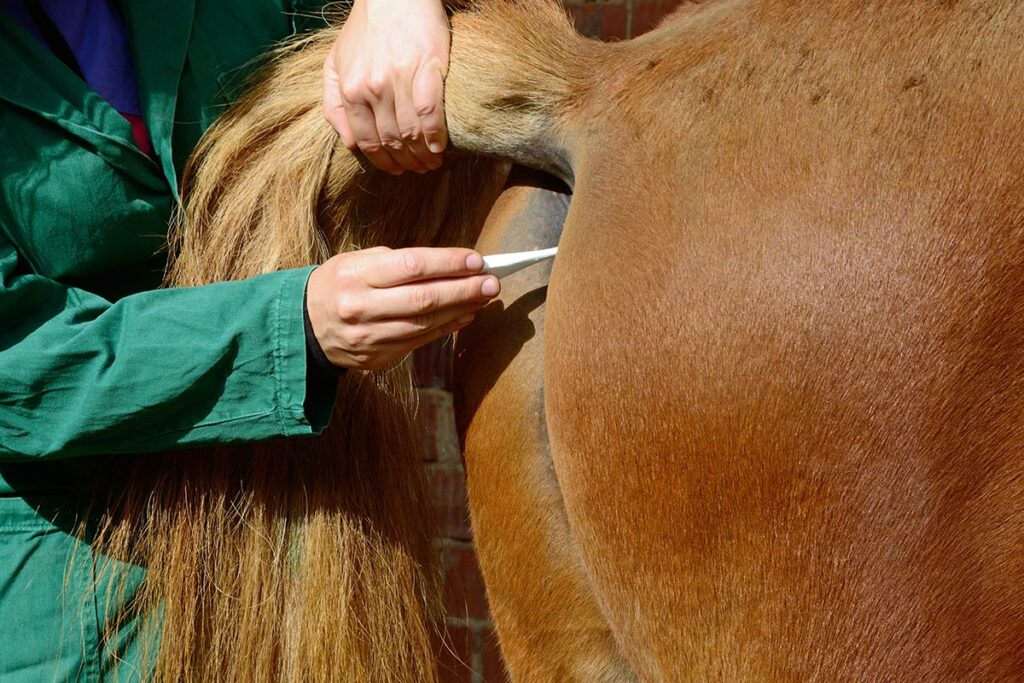
Taking your horse’s temperature is a key health check. New research suggests repeating digital thermometer readings can improve fever detection.

Have your veterinarian perform a fecal egg count reduction test to ensure your horse‘s deworming protocol is effective and to reduce the incidence of parasite resistance.

Find out what commonly applied practices horse owners and caretakers tend to overdo.

Two equine hoof care professionals share examples of how they diagnosed, treated, and maintained horses suffering from hoof-related lamenesses.

Joint injections can be complicated by a horse’s age, purpose, and health. Here’s how veterinarians approach various scenarios.
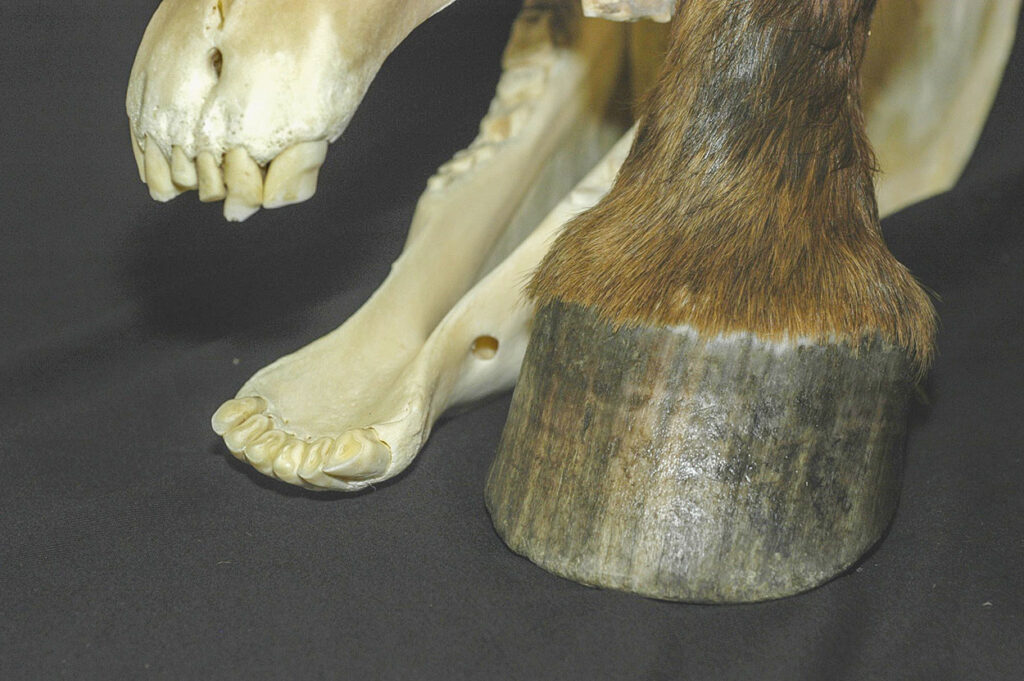
Healthy, well-maintained hooves can stay strong for decades—supporting horses from their first steps to their final years.

Your horse needs essential nutrients from the diet to stay healthy. An equine nutritionist explains how to meet those needs through proper feeding.

While steeped in tradition, feeding bran mashes can cause GI distress in horses. Learn why, and discover alternatives.