What Treats Can I Feed My Laminitic Horse?
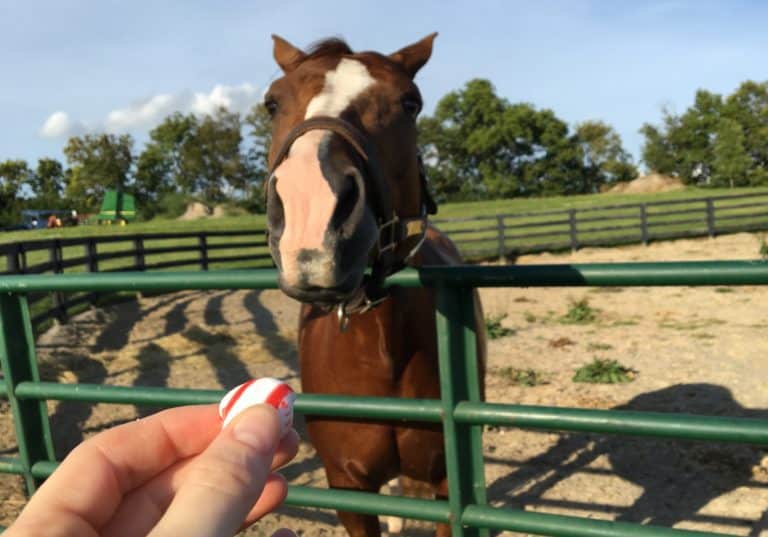
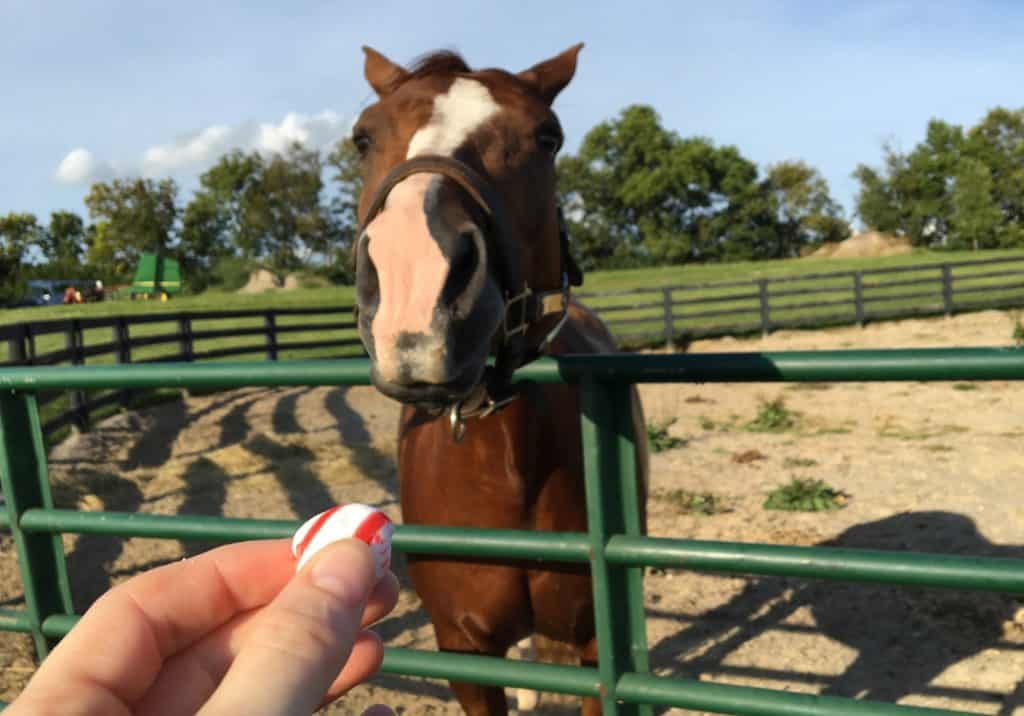
Horses with laminitis can still enjoy an occasional carrot or peppermint, but safer options include low-sugar fruits, veggies, and commercial treats.

Horses with laminitis can still enjoy an occasional carrot or peppermint, but safer options include low-sugar fruits, veggies, and commercial treats.
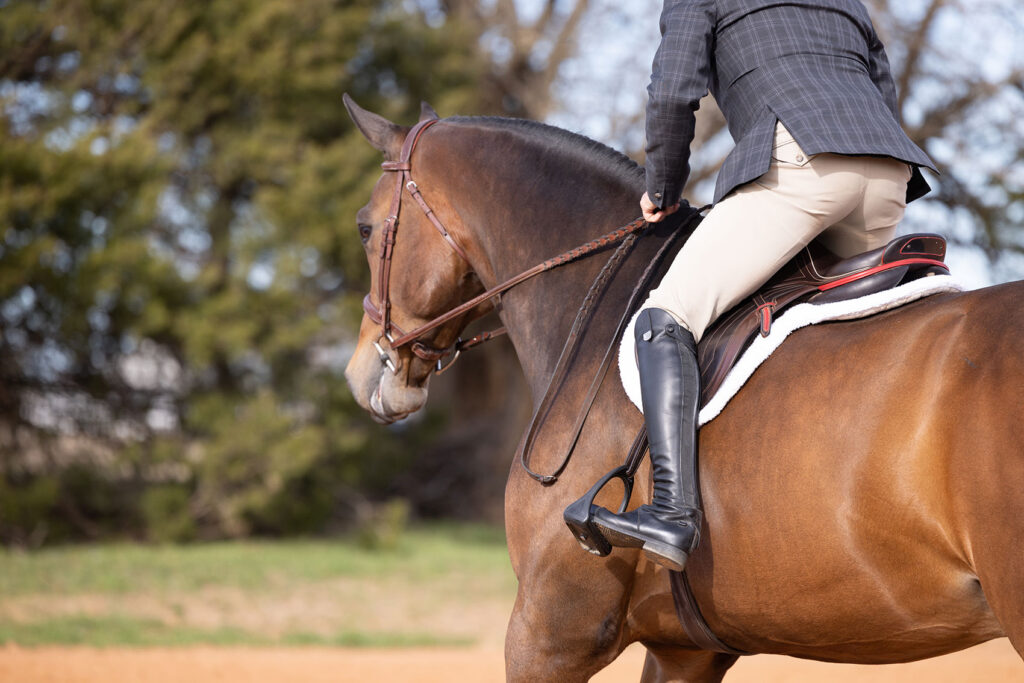
Researchers found body condition and neck fat did not reliably indicate insulin dysregulation in the sport horses they tested.
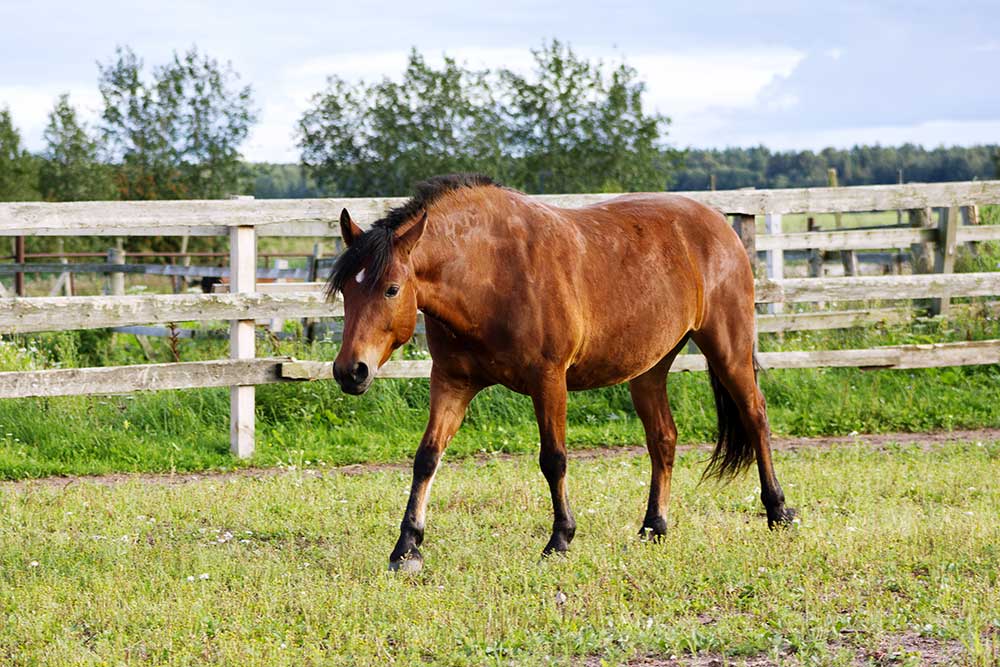
Researchers validated a rapid test for measuring adiponectin, a hormone associated with metabolic health and laminitis risk in horses.

A veterinarian explains why hoof radiographs are important, how to use them, and what role they play in helping your horse feel and move better.

Learn how to add calories safely to a metabolic horse’s diet without putting him at a greater risk of developing laminitis.

Yes, spring brings an increased risk of endocrinopathic laminitis for susceptible horses—but so does autumn. Here’s why.

Laminitis causes inflammation in tissues supporting the coffin bone in the hoof and can cause severe pain. Watch this webcast to learn what to watch for and when to call your vet.

A veterinary podiatrist explains how X rays can be a useful tool for managing horses with chronic laminitis.
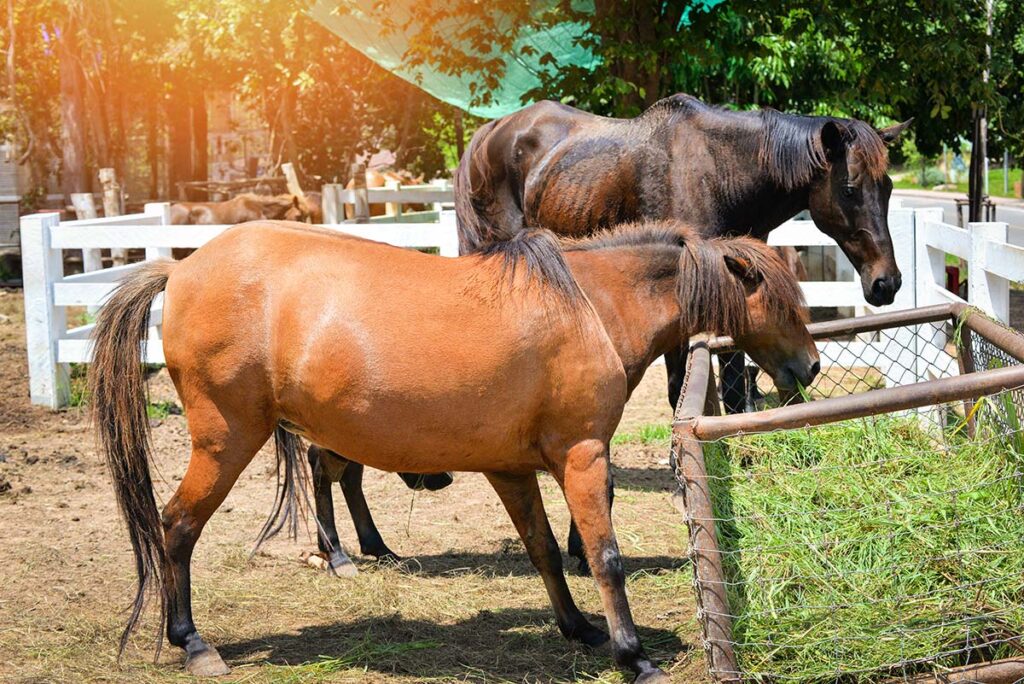
Managing chronic laminitis in horses calls for a proactive approach.

Watch for signs of these 5 health conditions when you’re trying a horse to buy, and talk to your veterinarian about any concerns.
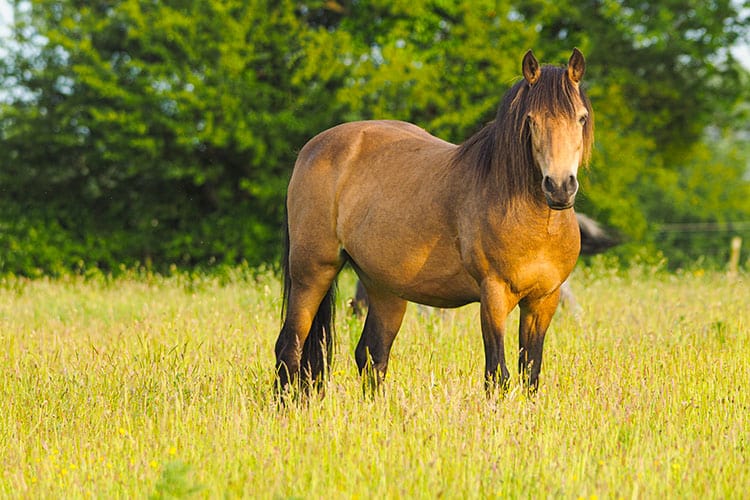
Early recognition and identification of the underlying cause give veterinarians the best opportunity to improve outcomes for horses with laminitis.

Why do some hoof abscesses heal quickly while others linger? Why do some keep coming back? Two horse hoof experts answer these questions and more.
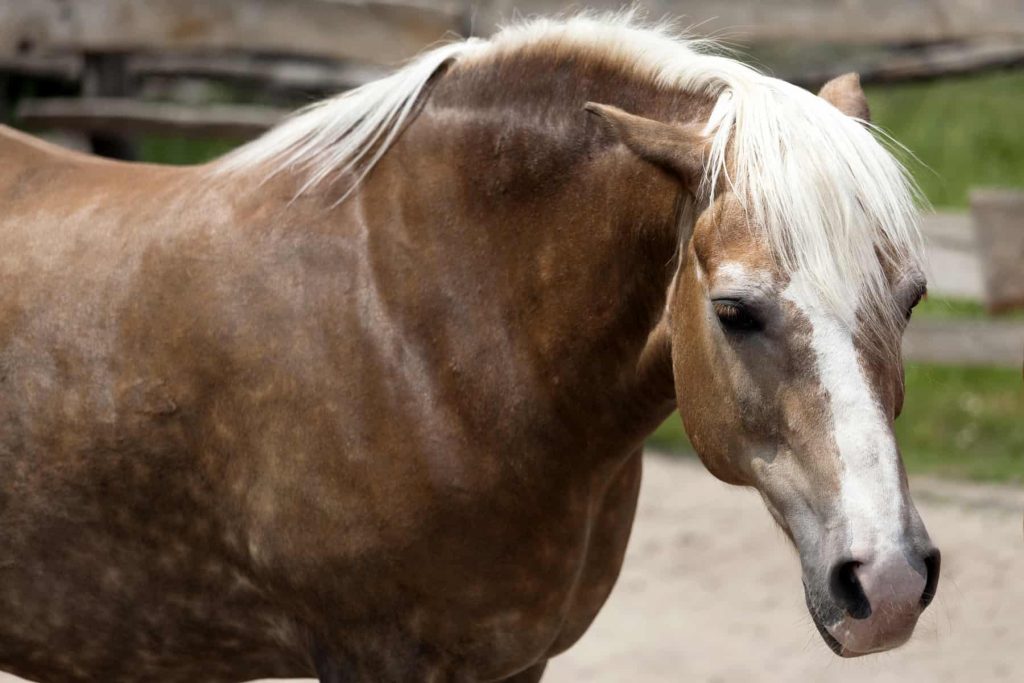
Early metabolic screening, low-sugar diets, and targeted medication can help protect at-risk horses from laminitis before lamellar damage within the hoof begins.

For some horses, overingesting certain grasses can lead to laminitis. Learn more about managing these horses and their pastures.

Two equine hoof care professionals share examples of how they diagnosed, treated, and maintained horses suffering from hoof-related lamenesses.
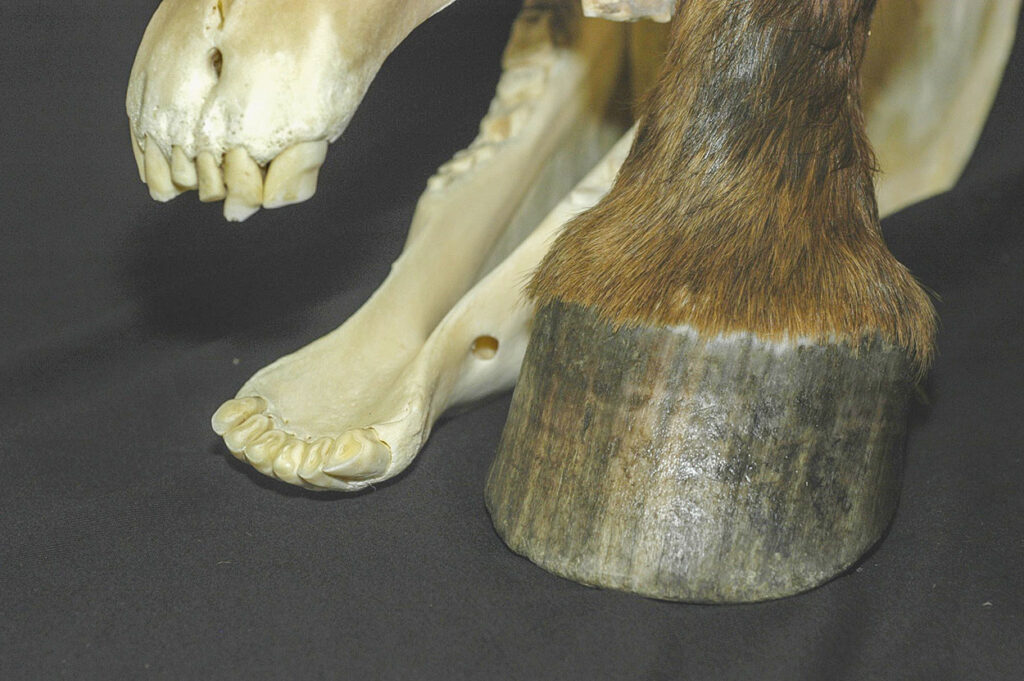
Healthy, well-maintained hooves can stay strong for decades—supporting horses from their first steps to their final years.