Understanding Laminitis in Horses
Laminitis causes inflammation in tissues supporting the coffin bone in the hoof and can cause severe pain. Register to hear what to watch for and when to call your vet.

Laminitis causes inflammation in tissues supporting the coffin bone in the hoof and can cause severe pain. Register to hear what to watch for and when to call your vet.

A veterinary podiatrist explains how X rays can be a useful tool for managing horses with chronic laminitis.
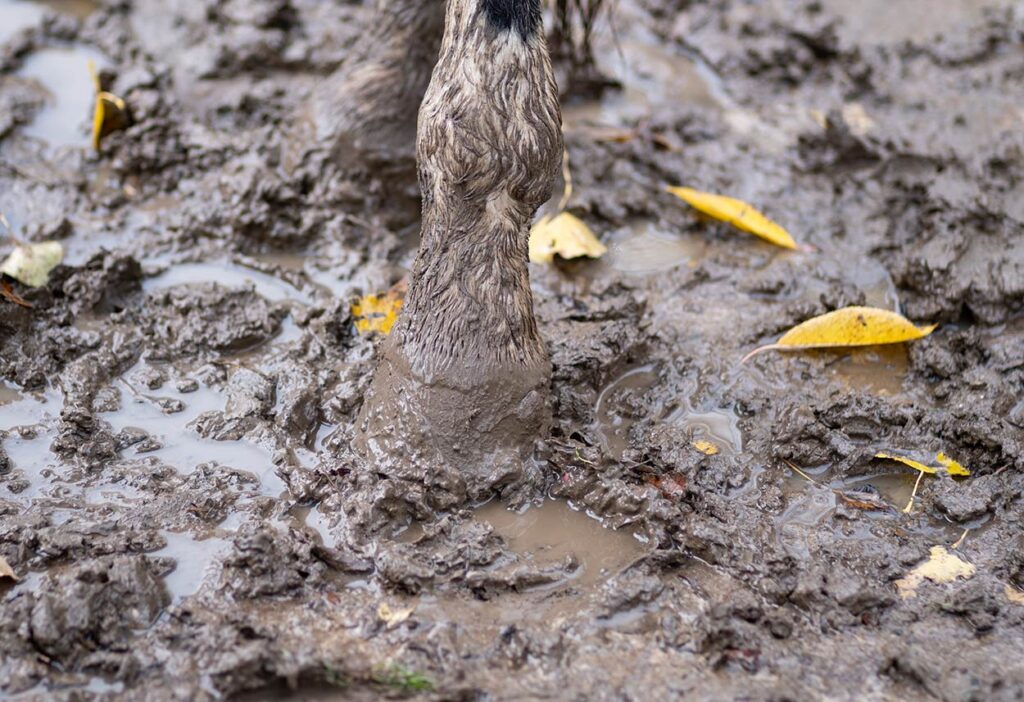
As the seasons change, so do the strategies we use to manage horses’ hooves.

Veterinarians and farriers emphasize individualized maintenance for preventing lameness and promoting long-term horse soundness.

Learn how to maintain your horse’s hoof health into his later years in this Ask TheHorse Live excerpt.
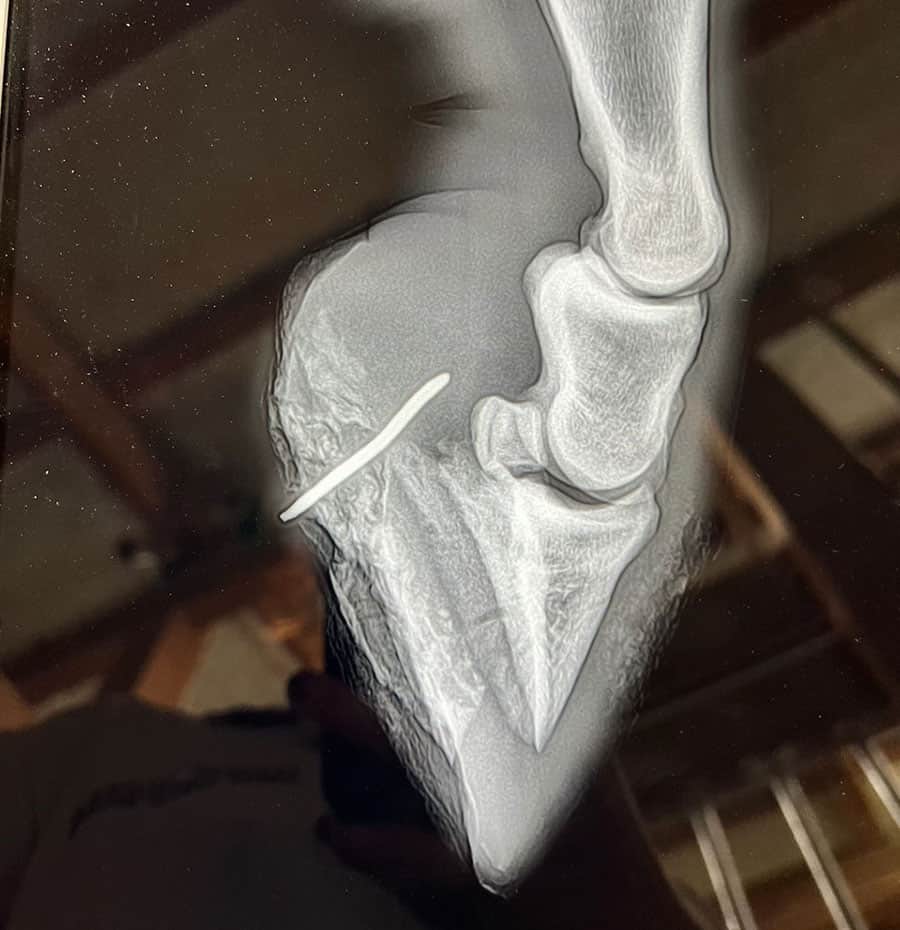
One veterinarian explains how to manage horse hoof puncture wounds and help ensure they heal properly.
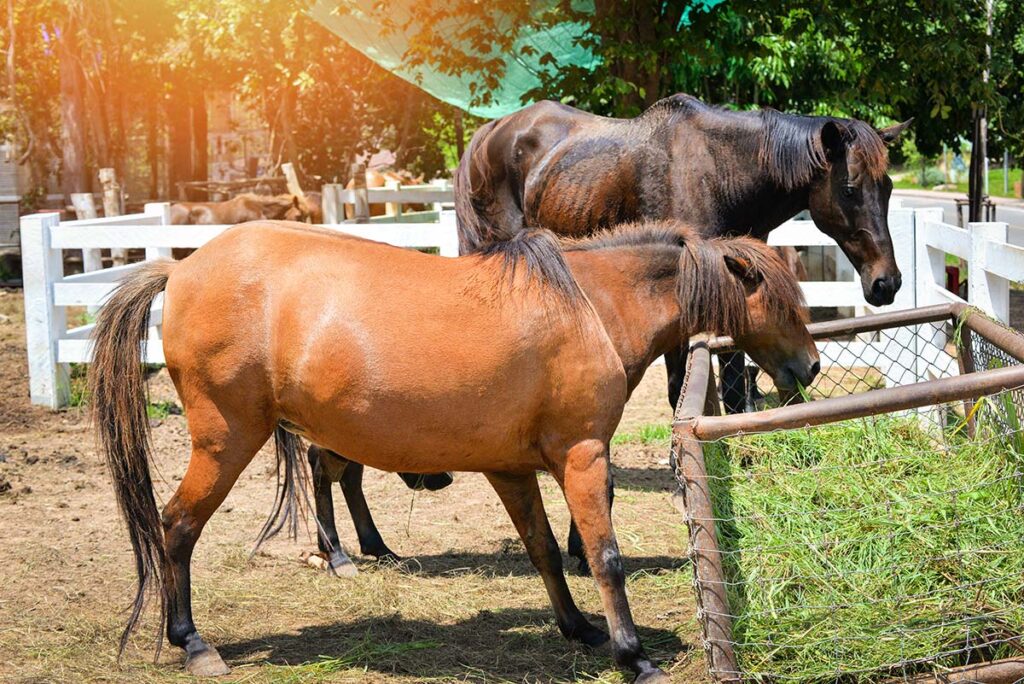
Managing chronic laminitis in horses calls for a proactive approach.

Learn about two different and unrelated processes that present as firm swellings in the horse’s pastern region.

Watch for signs of these 5 health conditions when you’re trying a horse to buy, and talk to your veterinarian about any concerns.
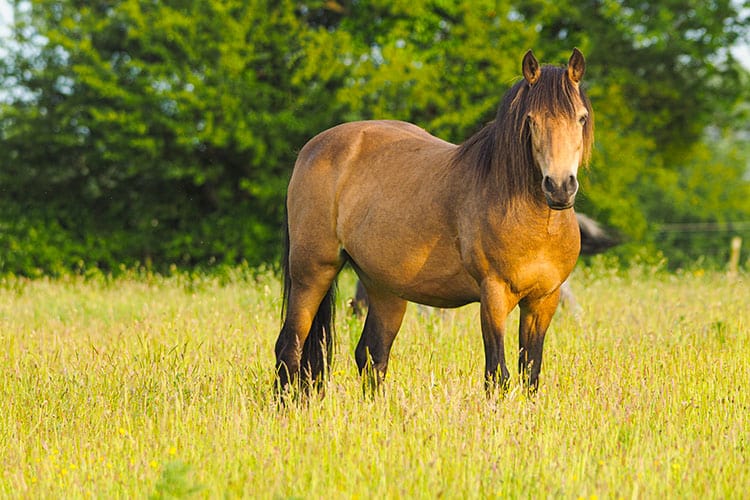
Early recognition and identification of the underlying cause give veterinarians the best opportunity to improve outcomes for horses with laminitis.

Why do some hoof abscesses heal quickly while others linger? Why do some keep coming back? Two horse hoof experts answer these questions and more.

A detailed guide on whether hoof boots are suitable for your horse, covering reasons for use, selection, fitting, maintenance, and potential issues.
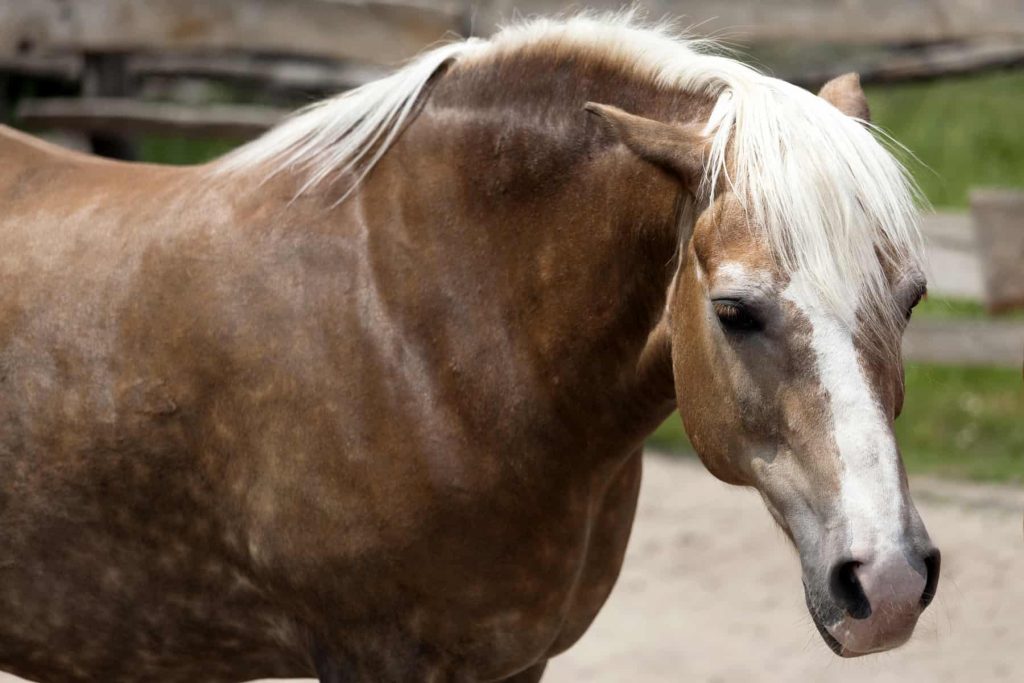
Early metabolic screening, low-sugar diets, and targeted medication can help protect at-risk horses from laminitis before lamellar damage within the hoof begins.
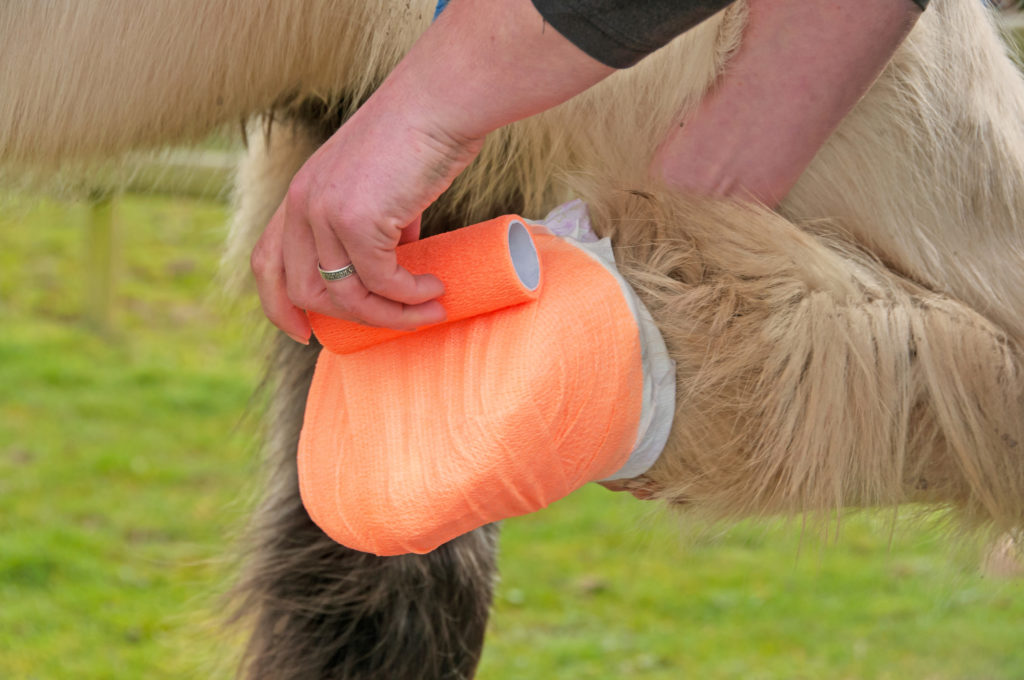
Resolving hoof wounds requires working closely with your veterinarian to manage lesions until they heal. Learn about 4 common wounds and how vets treat them.

Horses can (and will) find unique ways to injure themselves. In this article we’ll highlight 4 of the most common causes of sudden lameness.

For some horses, overingesting certain grasses can lead to laminitis. Learn more about managing these horses and their pastures.