Polysaccharide Storage Myopathy (PSSM)
Article
Exertional Rhabdomyolysis: Not Just Tying-Up Anymore
Researchers have worked tirelessly to better understand the disorder, its causes, and how to best manage it.
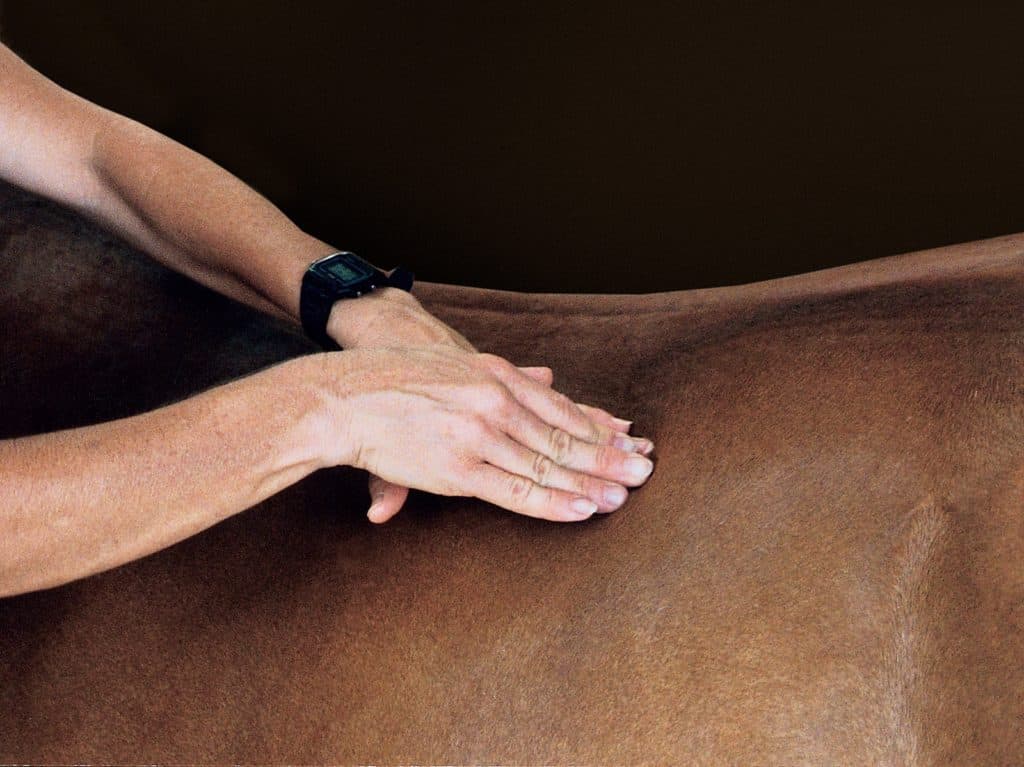
Photo by Stephanie Valberg, DVM, PhD
Article
Managing Equine Genetic Disorders with Nutrition
Managing diet can help alleviate signs of some equine genetic disorders, such as PSSM and HYPP.
Photo by Megan Arszman, TheHorse.com Web Producer
Article
AQHA Offers Genetic Disease Panel Test
The test will screen for five potentially fatal genetic diseases often found in Quarter Horses.
Photo by Ann Rashmir-Raven, DVM, MS, Dipl. ACVS
Article
Exertional Rhabdomyolysis: Not Just Tying-Up Anymore
February 12, 2013
Researchers have worked tirelessly to better understand the disorder, its causes, and how to best manage it.... Read More
Article
Valberg to be Inducted into Equine Research Hall of Fame
September 16, 2012
Valberg will be the first woman inducted into the Equine Research Hall of Fame.... Read More
Article
Managing Equine Genetic Disorders with Nutrition
June 06, 2012
Managing diet can help alleviate signs of some equine genetic disorders, such as PSSM and HYPP.... Read More
Article
AQHA Offers Genetic Disease Panel Test
February 06, 2012
The test will screen for five potentially fatal genetic diseases often found in Quarter Horses.... Read More
Article
Tying-Up in Thoroughbreds: Narrowing the Genetic Search
December 24, 2010
Researchers suspect tying-up in horses is a heritable condition; however, they have yet to determine the gene--or genes--responsible. But a team of Japanese researchers recently moved the investigation forward with a groundbreaking study of affected ... Read More
Article
What's In Your Horse's DNA?
December 01, 2010
Geneticists have created tools and tests that enhance horse breeders' ability to select for healthy foals.... Read More
Article
Neuromuscular Disease Can Lead to Performance Issues
October 24, 2010
Neuromuscular diseases, which affect the function of muscles and the way they interact with the nervous system, can lead to performance issues, said Kelsey A. Hart, DVM, PhD, Dipl. ACVIM, internal medicine clinician and graduate fellow at the U... Read More
Article
Tying-Up: Current Diagnosis and Nutritional Management
September 22, 2010
Researchers estimate that three of every 100 performance horses will experience signs of tying-up.... Read More
Article
Fatty Acid Triheptanoin Comes Up Short for Horses with PSSM
April 03, 2010
Triheptanoin does not appear to be a good fat supplement for polysaccharide storage myopathy (PSSM) horses.... Read More
Article
Emerging Neurologic Syndromes Discussed at World Equine Vet Meeting
November 27, 2009
"The more we look for neurologic signs, the more we discover new syndromes," said I.G. Joe Mayhew, BVSc, FRCVS, PhD, Dipl ACVIM, ECVN, head of Equine Massey and professor of Equine Studies at Massey University in New Zealand, at the... Read More
Article
Equine Veterinary Group Releases Statement on Genetic Defects in Horses
August 04, 2009
This is the 2009 Statement on Genetic Defects released by the American Association of Equine Practitioners. It was approved in July 2009. Congenital Defects Congenital defects include all... Read More
Article
PSSM Genetic Mutation Reported in Some UK Horse Breeds
June 18, 2009
Collaborative efforts between researchers on both sides of the Atlantic have identified that a genetic mutation in enzyme glycogen synthase 1 (GYS1) is an important cause of polysaccharide storage myopathy (PSSM, a form of... Read More
Article
Effects of Hay Carbs on PSSM Horses Examined
June 08, 2009
The study group's objectives were to determine if there is a difference in blood glucose and insulin response to feeding hay types with varying water soluble sugar and starch (NSC) content between horses with PSSM and control horses.... Read More
Article
UK Incidence of Polysaccharide Storage Myopathy Reported
May 21, 2009
Not only is polysaccharide storage myopathy (PSSM) a common and important muscular disorder in various horse breeds in the United States, but according to a recent research report, it is also a common diagnosis in horses in the Unite... Read More
Article
Polysaccharide Storage Myopathy (PSSM): A Genetic Diagnosis, AAEP 2008
March 13, 2009
Polysaccharide storage myopathy (PSSM) is a metabolic muscle problem found in at least 20 breeds, including Quarter Horses, Paints, Appaloosas, and drafts. An affected horse suffers bouts of exertional rhabdomyolysis (tying-up), muscle tremors... Read More
Article
Polysaccharide Storage Myopathy (PSSM): Search for Underlying Causes Continues
October 06, 2008
Despite having recently identified a genetic defect that results in polysaccharide storage myopathy (PSSM) in many horses, the underlying cause of PSSM remains to be determined in others.... Read More
Article
Genetic Mutation for Polysaccharide Storage Myopathy Widespread
September 20, 2008
Veterinary researchers from the University of Minnesotahave identified a gene potentially responsible for polysaccharide storage myopathy (PSSM) in Quarter Horses and, in doing so, they uncovered a number of research leads to pursue. In a... Read More
Article
Diagnosing Muscle Soreness
June 01, 2008
Q: Last year my 18-year-old Quarter Horse mare became very sensitive to touch on her back and hindquarters. It progressed to a slight hind limb lameness. She would stand with her back feet close together until eventually she would... Read More
Article
Muscle Disorders in Warmbloods Easily Diagnosed through Biopsy
April 16, 2008
Owners of Warmbloods with debilitating--or sometimes just plain baffling--muscle disorders can get useful and reliable answers about their horses' conditions through a relatively simple muscle biopsy. So say University of Minnesota researchers,... Read More
Article
Polysaccharide Storage Myopathy: Blame It on the Genes
April 11, 2008
A genetic mutation in an enzyme called muscle glycogen synthase might be responsible for polysaccharide storage myopathy (PSSM)--a debilitating and life-threatening disease in horses characterized by abnormally high glycogen (the storage form of... Read More
Article
2007 Morris Animal Foundation Equine Research Wrap-Up
December 14, 2007
The results of equine research funded by the Morris Animal Foundation (MAF) in 2007 added to scientists' understanding of foal pneumonia, hereditary muscle disorders, laminitis, and pharmacology. <TABLE border=0 cellSpacing=0 cellPadding=5... Read More
Article
New Research on PSSM Prevalence, Heritability in Progress
October 04, 2007
Researchers with the University of Minnesota have identified polysaccharide storage myopathy (PSSM) in 6-12% of overtly healthy Quarter Horses on six farms involved in a new study. They also said the disease could be more common within certain... Read More
Article
Morris Animal Foundation Funding 11 Equine Studies in 2008
September 25, 2007
In 2008, the Morris Animal Foundation (MAF) will fund about 120 animal health studies, including 11 new and continuing studies for horses. Equine enthusiasts are invited to sponsor or co-sponsor one of these studies with a total gift of $3,000 o... Read More
Article
Polysaccharide Storage Myopathy
July 09, 2007
Stephanie Valberg, DVM, PhD, professor of large animal medicine and director of the University of Minnesota's Equine Center discussed PSSM at the AAEP Convention 2006. The disorder causes muscle pain, stiffness, and cramping, and some horses... Read More
Article
Diagnostic Approach To Equine Muscle Disorders
July 07, 2007
Stephanie Valberg, DVM, PhD, professor of large animal medicine and director of the University of Minnesota's Equine Center, began the in-depth seminar on muscle disorders by discussing diagnosis of muscle disorders, beginning with a careful... Read More
Related Multimedia & Downloads
Find more related content in:
Farm Call: Your Questions Answered
Diagnosing Muscle Soreness
Q. Q: Last year my 18-year-old Quarter Horse mare became very sensitive to touch on her back and hindquarters. It progressed to a slight hind limb lameness. She would stand with her back feet close together until eventually she would lean and prop her haunches against the barn wall. When the lameness was most severe, she could not walk straight, although only the hindquarters seeme