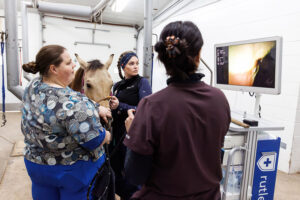
With no cure for equine gastric ulcer syndrome, proper management and prevention methods can help your horse remain ulcer free. Equine gastric ulcer syndrome includes not only ulcers found within the stomach (usually in the esophageal region, or upper portion), but also ulcers found at the duodenal part of the small intestine, which is the portion closest to the stomach.
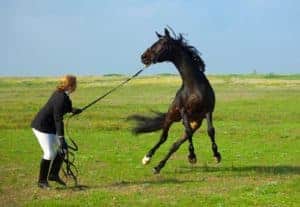
Horses experiencing high stress are more susceptible to developing ulcers, according to veterinarians and researchers. A horse suffering from gastric ulcers might show poor appetite, a dull hair coat, weight loss, decreased performance, or a change in attitude or behavior.
This free report provides the horse owner and caretaker with an overview of managing and preventing ulcers in horses.