Skip to content
Sign Up for Newsletter
Get Unlimited Access
Facebook-f Twitter Pinterest-p Instagram Youtube
  • Login
    • Register
  • Newsletters
  • Magazine
  • Login
    • Register
  • Newsletters
  • Magazine
  • Topics
    Breeding and Reproduction

    Horse breeding from planning through foal care

    Hoof Care

    Prevention and treatment for problems of the equine foot

    Nutrition

    Proper feeding practices for foals, adult horses, and older horses

    Welfare and Industry

    Discussions about the welfare of our equine friends

    Diseases and Conditions

    Horse-heath-problem risk factors, prevention, diagnosis, and treatment

    Horse Care

    How to care for the basic health needs of horses

    Sports Medicine

    All aspects of caring for performance horses

    All Topics
    Farm and Barn

    Design and maintain a healthy horse operation

    Lameness

    Prevention, diagnosis, and treatment of leg lameness

    Vet and Professional

    News and issues for equine health professionals

  • Magazine
    The Horse, Spring 2026

    Cover Story

    The Foals First 24 Hours of Life

    Important milestones and common health issues in equine neonates

    Also in this Issue

    • What Medications Are Safe for Pregnant Mares?
    • Lyme Disease: Signs, Incidence, and What the Research Tells Us
    • EHV-1 Explained
    • Computer-Assisted Repair of a Cervical Vertebral Fracture in a Horse
    • Ration Balancers vs. Vitamin/Mineral Supplements: Choosing the Right Fit
    • The Equine Lameness Exam
    • Sidebone: Incidental Finding or Clinical Concern?
    Digital Edition
    Give a Gift
    Subscribe
    Manage My Subscription
  • News

    Latest News

    Vesicular Stomatitis Identified at 4 New Mexico Equine Facilities

    2 Equine Strangles Cases Confirmed in Oregon

    Understanding Equine Muscle Atrophy

    Why the Equine Gastrointestinal Microbiome Matters

    2 Strangles Cases Confirmed at Private Washington Facility

    Gov. Abbott Launches Free New World Screwworm Inspector Training

    More News

    Disease Alerts


    EDCC Health Watch

    Event Coverage

    2025 AAEP Convention

    2025 ESS Symposium

  • Features

    Latest Features

    Dealing With Equine Colic

    Dealing With Equine Colic: Here are 33 Do’s and Don’ts

    June 15, 2026
    Inside the Microbiome

    Inside the Equine Gut Microbiome

    May 29, 2026

    Additional Features

    Parasite Control for Today’s Horses

    Managing Your Performance Horse’s Joints

    Equine Asthma

    Diagnosing and Treating Gastric Ulcers in Horses

    Promoting Longevity in Performance Horses

    All Features
  • Q&As

    Latest Q&A

    electrolytes for horses; Why Do Electrolytes Encourage Horses to Drink?

    Avoiding Dehydration in Sport Horses During Summer

    June 14, 2026

    Q&As

    Equine Behavior

    Animal behavior experts field your questions about why your horse does XYZ.

    Horse Nutrition

    Equine nutritionists respond to queries about forage, grain, supplements, and other related topics.

    Performance Horse Health

    Veterinarians and researchers tackle questions about equine athletes.

  • Visuals

    Featured Media:

    Biosecurity for Equine Hospitals and Indoor Equine Facilities

    vet exam, tail pull, neurologic exam

    Why Vitamin E Matters: Protecting Horses from Neuromuscular Disease

    Quick Links

    Webcasts
    Infographics
    Slideshows
  • Podcasts

    Featured Podcasts

    hives

    Solving Common Equine Skin Problems

    Feeding Horses: Hay is for Horses, Part 1

    Podcasts

    Ask 'TheHorse' Live

    The Horse’s experts answer your questions during a monthly live audio event.

    Equine Innovators

    Join us as we interview leading equine researchers.

    Feeding Horses

    Every month The Horse has an in-depth conversation with a respected equine nutritionist or veterinarian about a topic important to horse owners and professionals. 

    All Podcasts
  • Free Reports

    Fact Sheet: Pituitary Pars Intermedia Dysfunction (PPID)

    Fact Sheet: EPM

    Fact Sheet: Equine Protozoal Myeloencephalitis (EPM) in Horses

    Free Reports:

    View All Free Reports

    Quick referenced of horse conditions, diseases and health topics

    Forms

    Checklists and identification forms for horse owners

  • Tools
    feed cost calculator

    Horse Feed Cost Calculator

    Mare Gestation Calculator

    Mare Gestation Calculator

    Adult Horse Weight Calculator

    Adult Horse Weight Calculator

    Additional Resources


    Horse Health Glossary

    Get-A-DVM

    New Products

    Polls

    TheHorse.com en Español

  • StableManagement.com
  • Topics
  • Magazine
  • News
  • Features
  • Commentaries
  • Visuals
  • Podcasts
  • Free Reports
  • Tools
  • Shop
  • StableManagement.com
  • Login
    • Register
  • Newsletters
  • Magazine
  • Login
    • Register
  • Newsletters
  • Magazine

Winter Wear for Horse People

  • December 15, 2019
  • Posted by The Horse Staff
Stay warm around the barn during the coldest months by adding these winter-weather essentials to your horse-keeping wardrobe.
  • Topics: Media, Slideshow, Winter Care
Share
Favorite
Please login to bookmark Close

Please login to access.

ADVERTISEMENT

Stay Warm This Winter

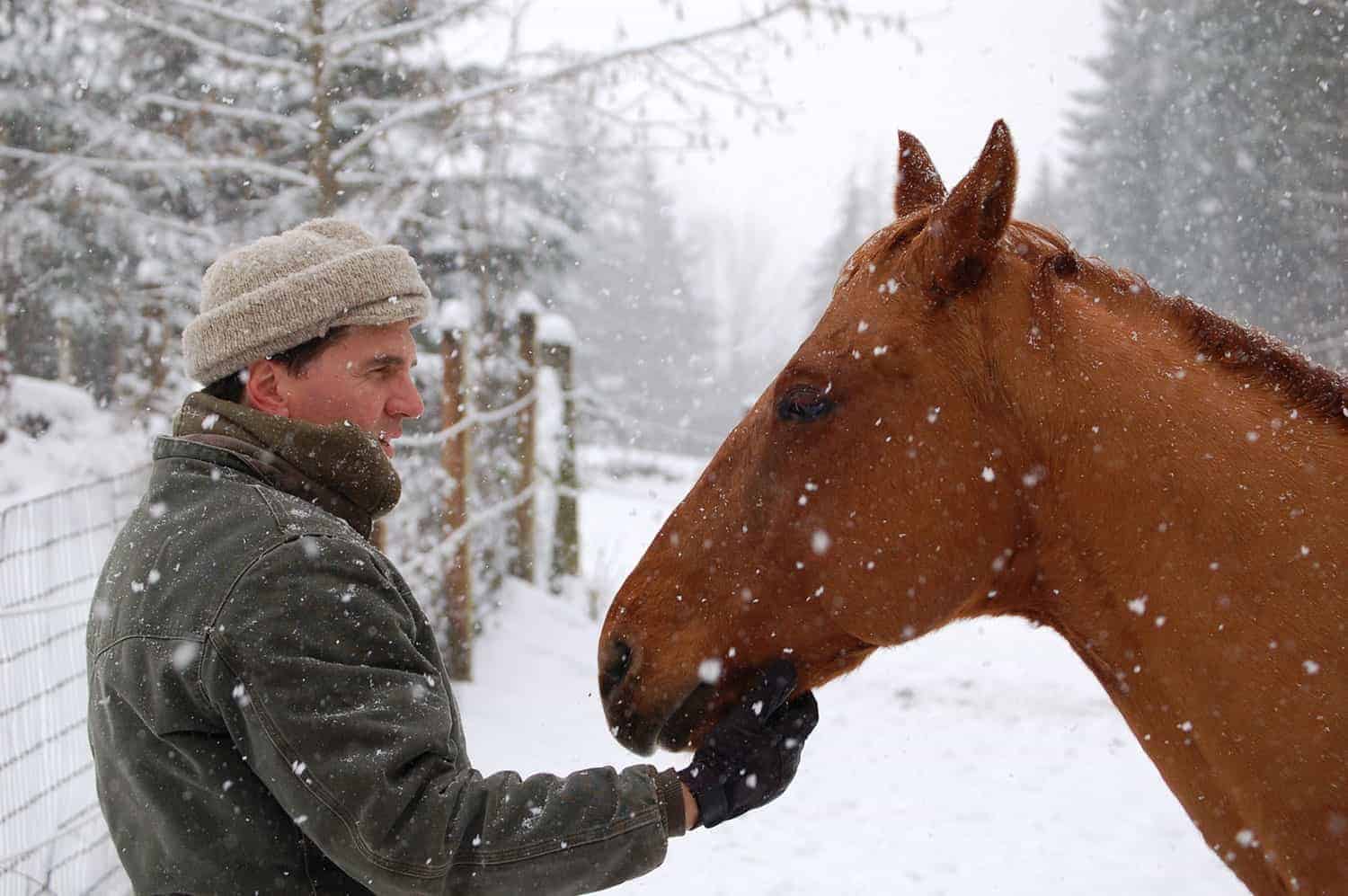
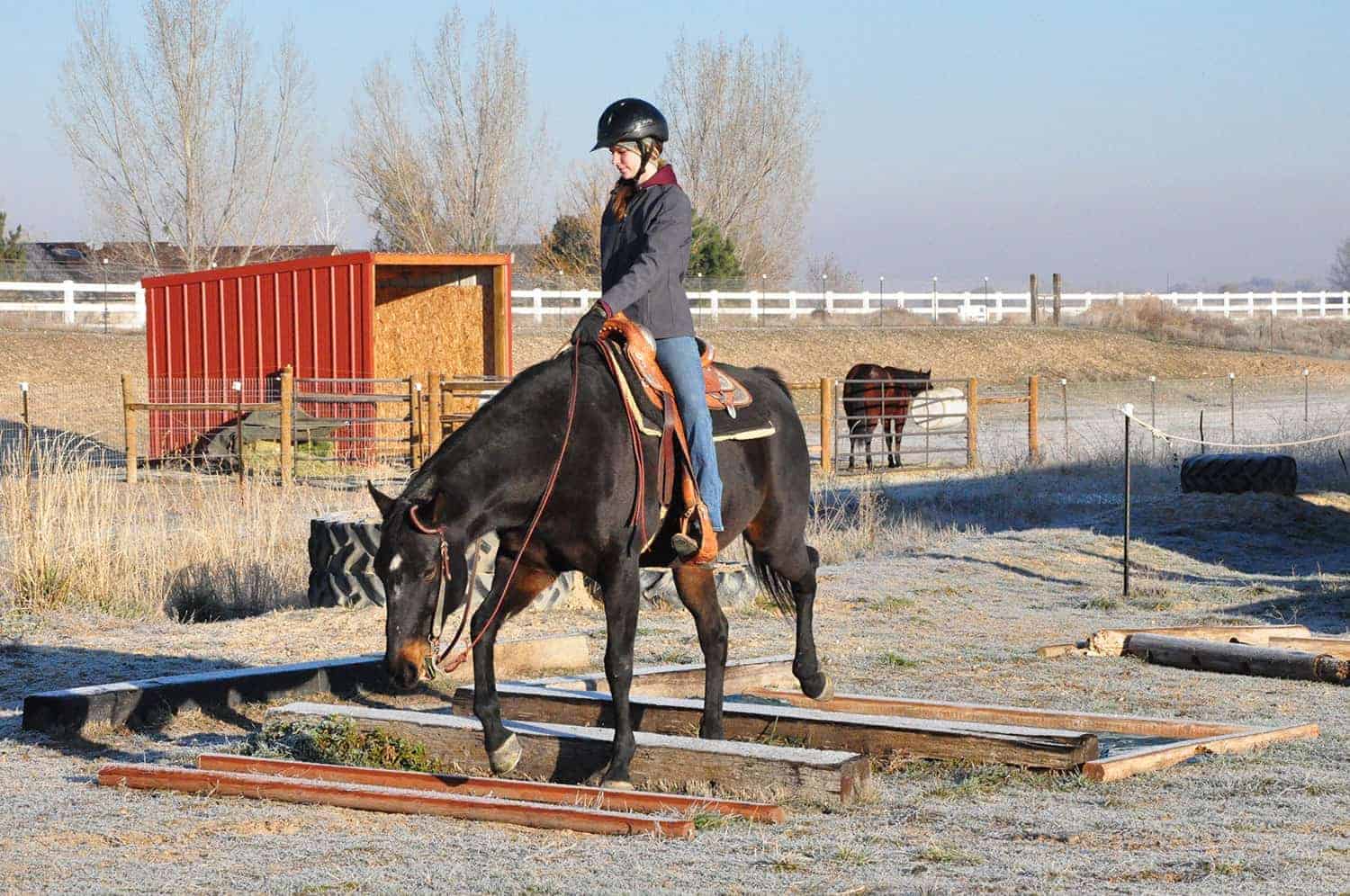
If you want to stay active with your horses during the months of potentially inclement weather, begin by planning ahead. Do you ride inside or out? Are you responsible for outdoor chores? Do you trail ride? What you do with your horse determines the types of clothing you'll need. | Photo: Alayne Blickle
Plan for the Weather in Your Region

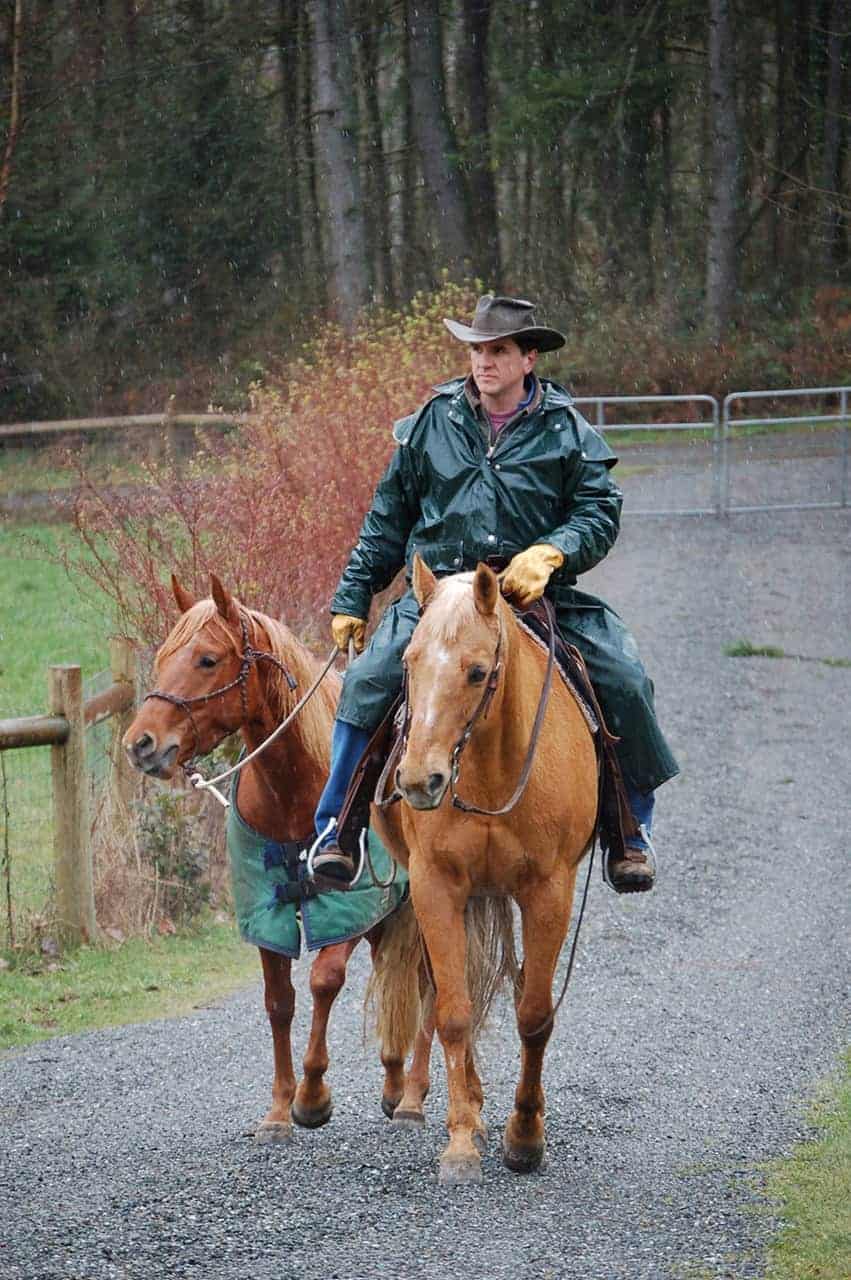
What’s the expected winter weather for you in your area? If it’s primarily wet and rainy, and trail riding is your thing, do you own a good rain slicker that fits over your coat and saddle? Water-shedding Australian-style raincoats and hats are a great option for staying dry while riding in these conditions. | Photo: Alayne Blickle
Dress in Layers!

In very cold weather, layering is a tried-and-true way to maximize outdoor comfort. This simple concept allows for quick adjustments based on your activity level and rapid weather changes. | Photo: Alayne Blickle
Shell or Outer Layer

A shell, or outer layer, shields you from wind and rain. Select a shell roomy enough to fit easily over other layers without restricting your movement while riding or doing chores. If you're working in wet or snowy weather, look for waterproof fabrics. | Photo: Alayne Blickle
Wear a Technical Fabric Base Layer

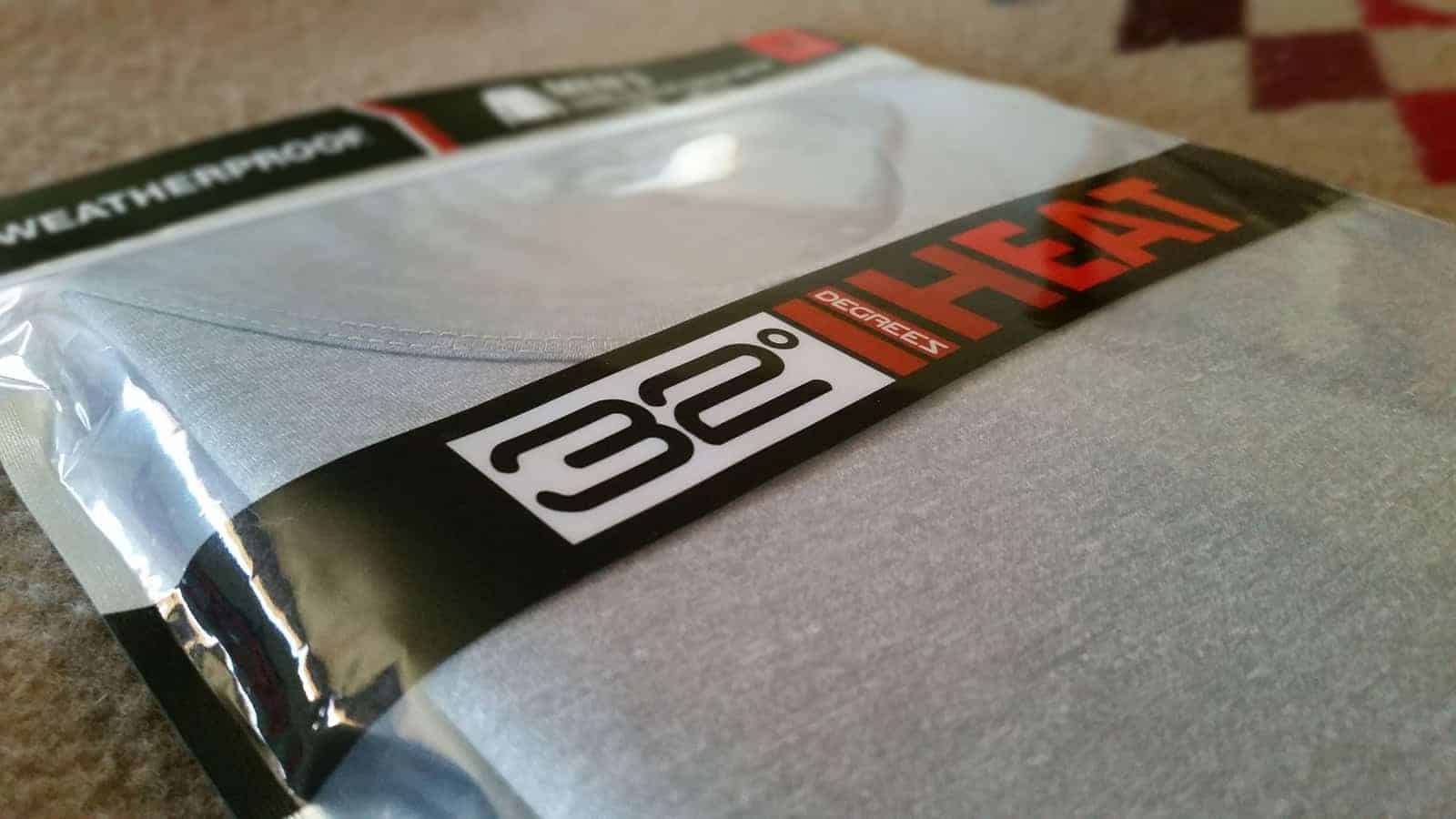
A base layer against your skin manages moisture. Choose a fabric that wicks away perspiration, keeping you dry and warm; avoid cotton fabrics, which hold moisture. Lightweight performance fabrics with flat seams will minimize chaffing during riding and barn chores. Look for varieties that are cut longer in the sleeves and body specifically to cover your arms and backside when riding. | Photo: Alayne Blickle
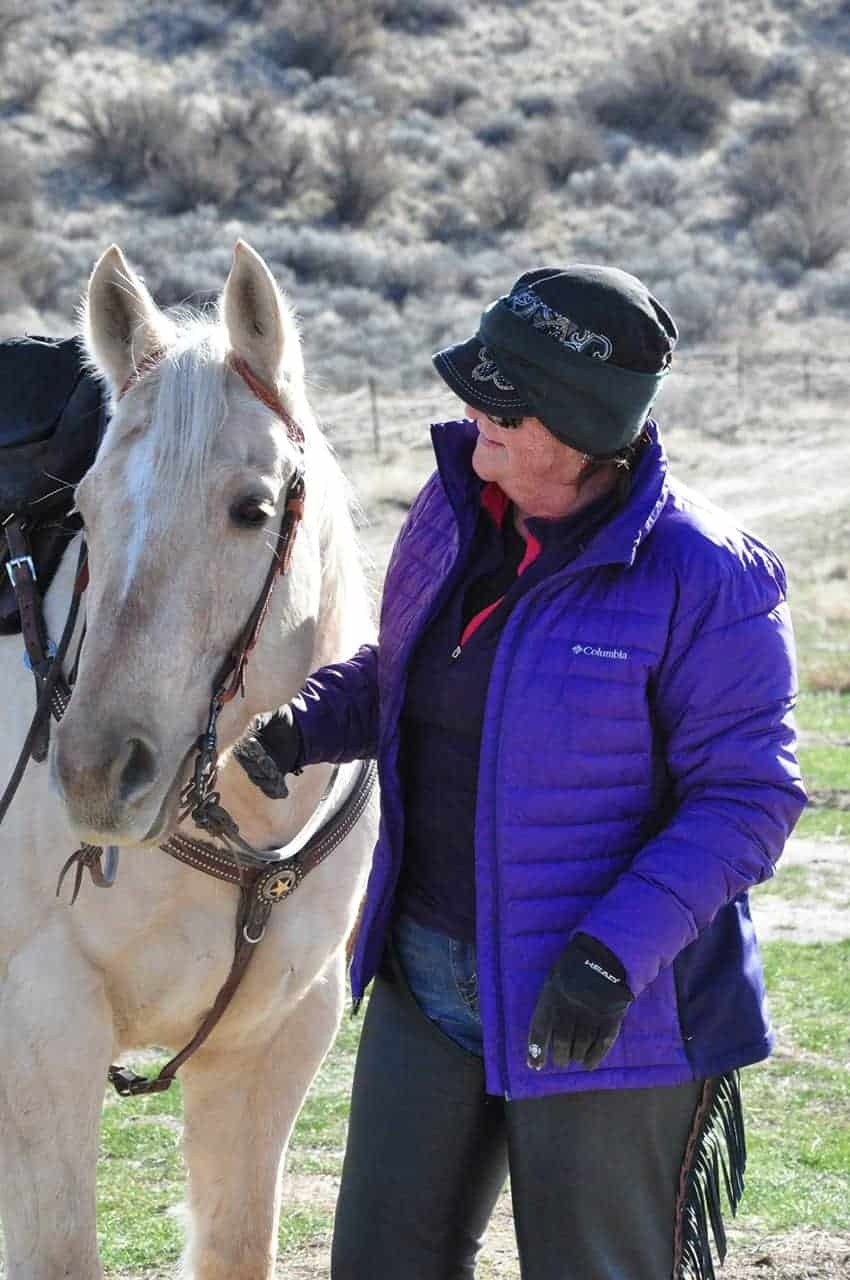
Wear a Warm Insulating Layer Between Your Base and Outer Layers

Down fill is an exceptional insulator and is extremely lightweight. However, if down gets wet, it goes flat and can no longer insulate. Fleece is highly breathable, making it a great choice for riding. However, it's not good in wind, which is why it’s best used as an interior layer under a wind-resistant shell. | Photo: Alayne Blickle
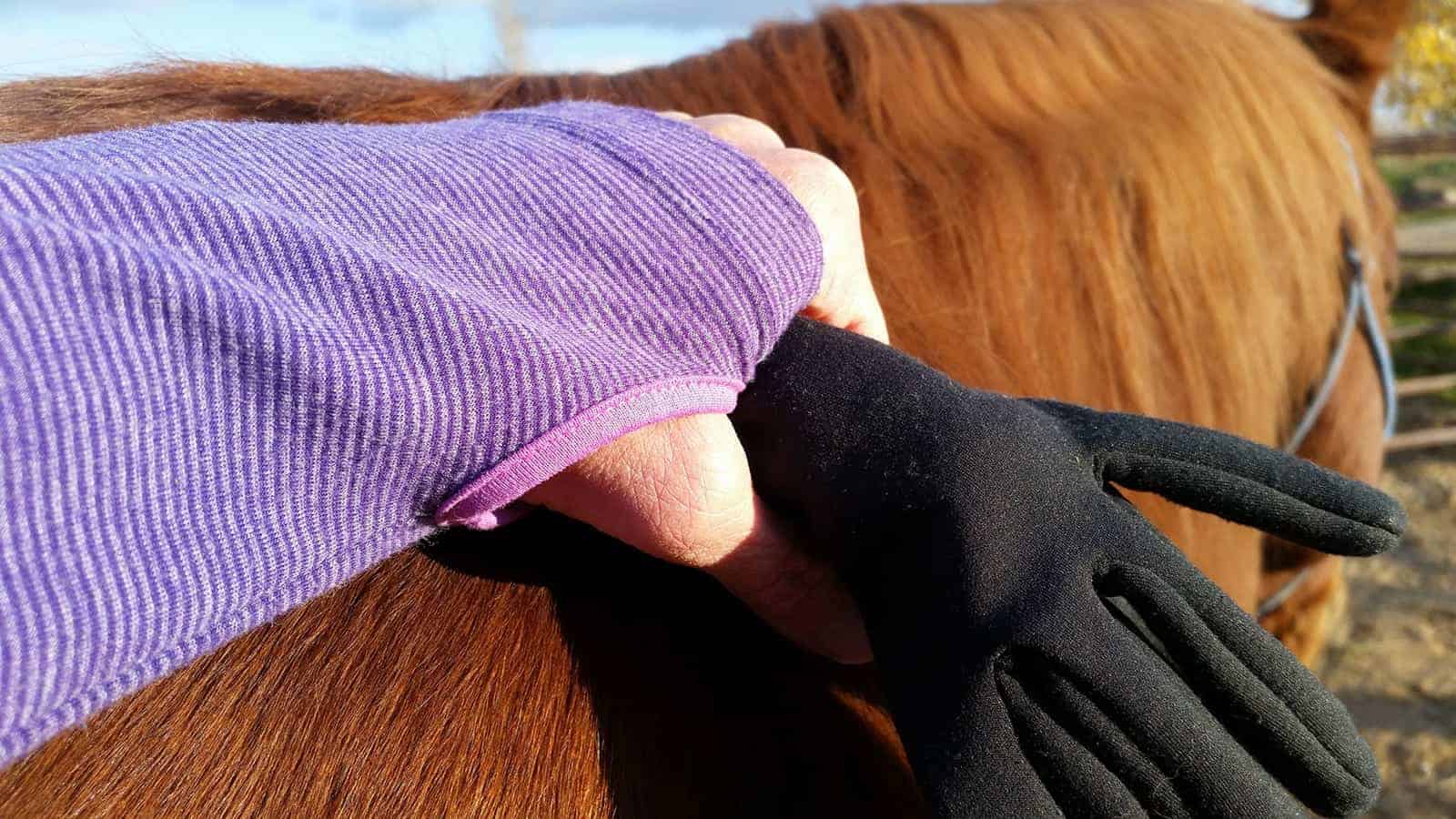
Keep Your Wrists Covered

Wrist-cuff thumbholes on your insulating or base layer keep shirt sleeves tucked into gloves for added warmth around wrists. | Photo: Alayne Blickle
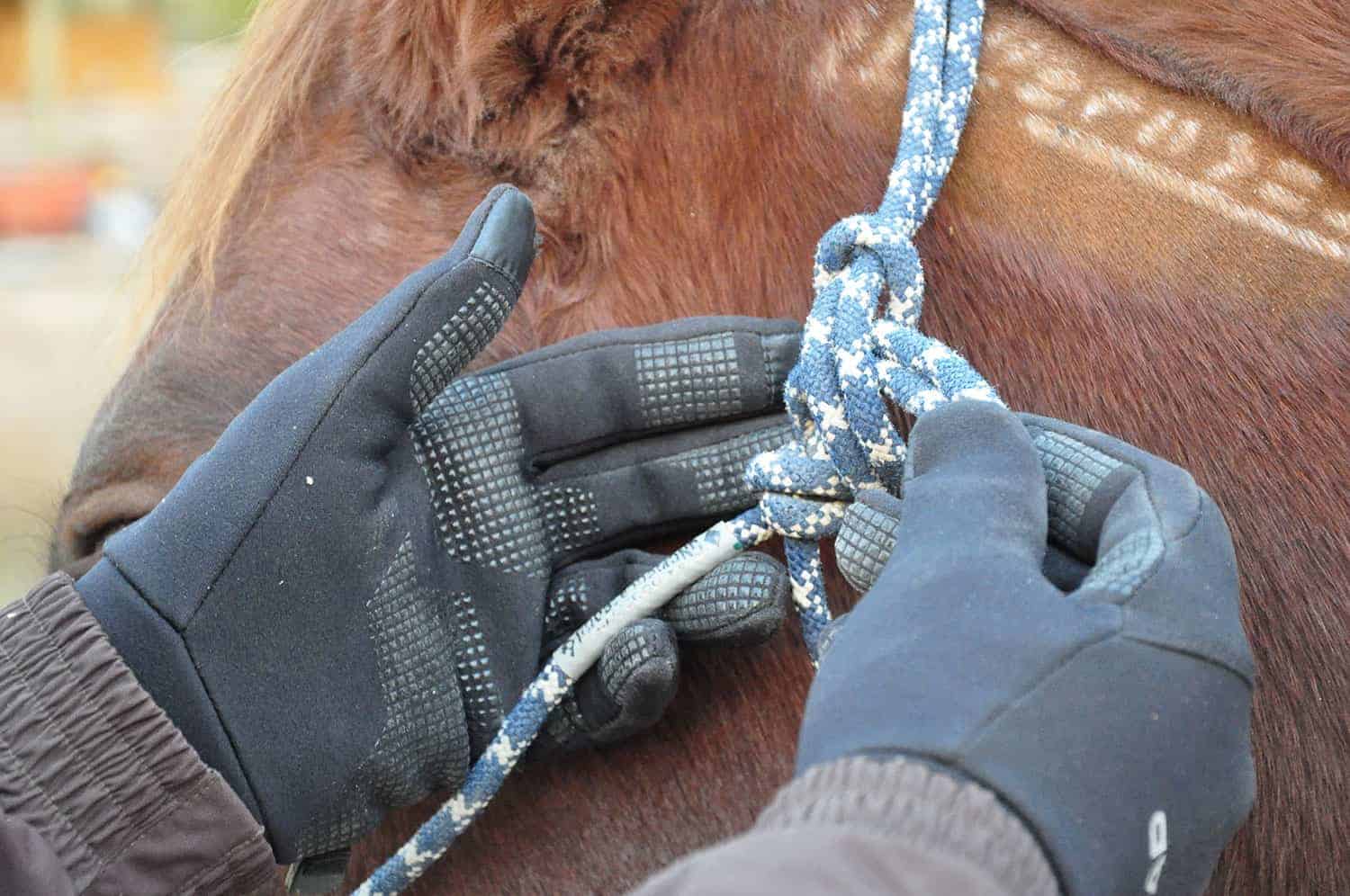
Lightweight Gloves

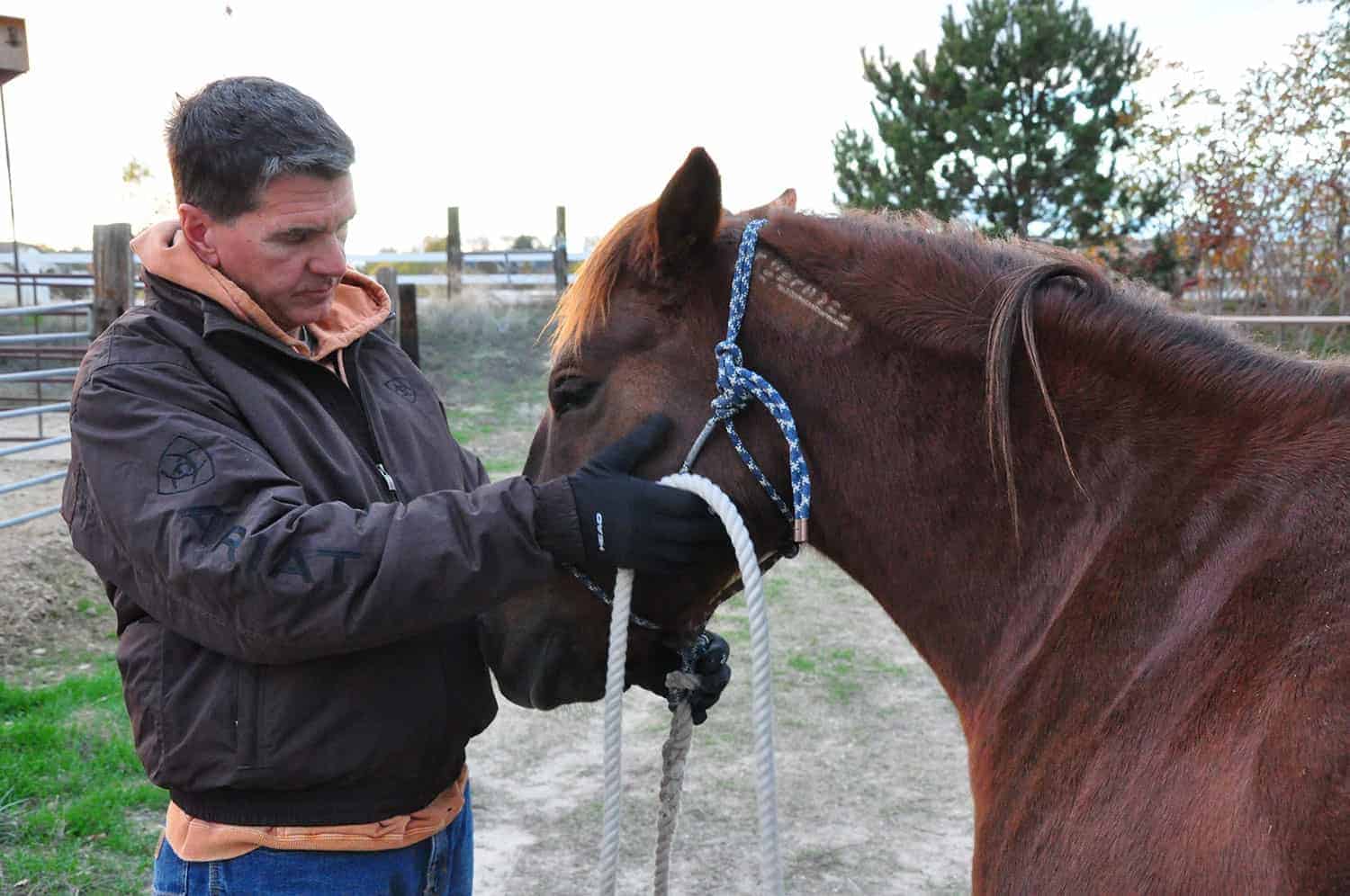
Lightweight runners’ gloves offer warmth with flexibility, which allows for gripping with your fingers and thumbs. They're also often touchscreen compatible. While these are excellent for riding or simple chores, they're neither waterproof nor sturdy enough for manual labor. Look for gloves with an extended cuff for extra protection. | Photo: Alayne Blickle
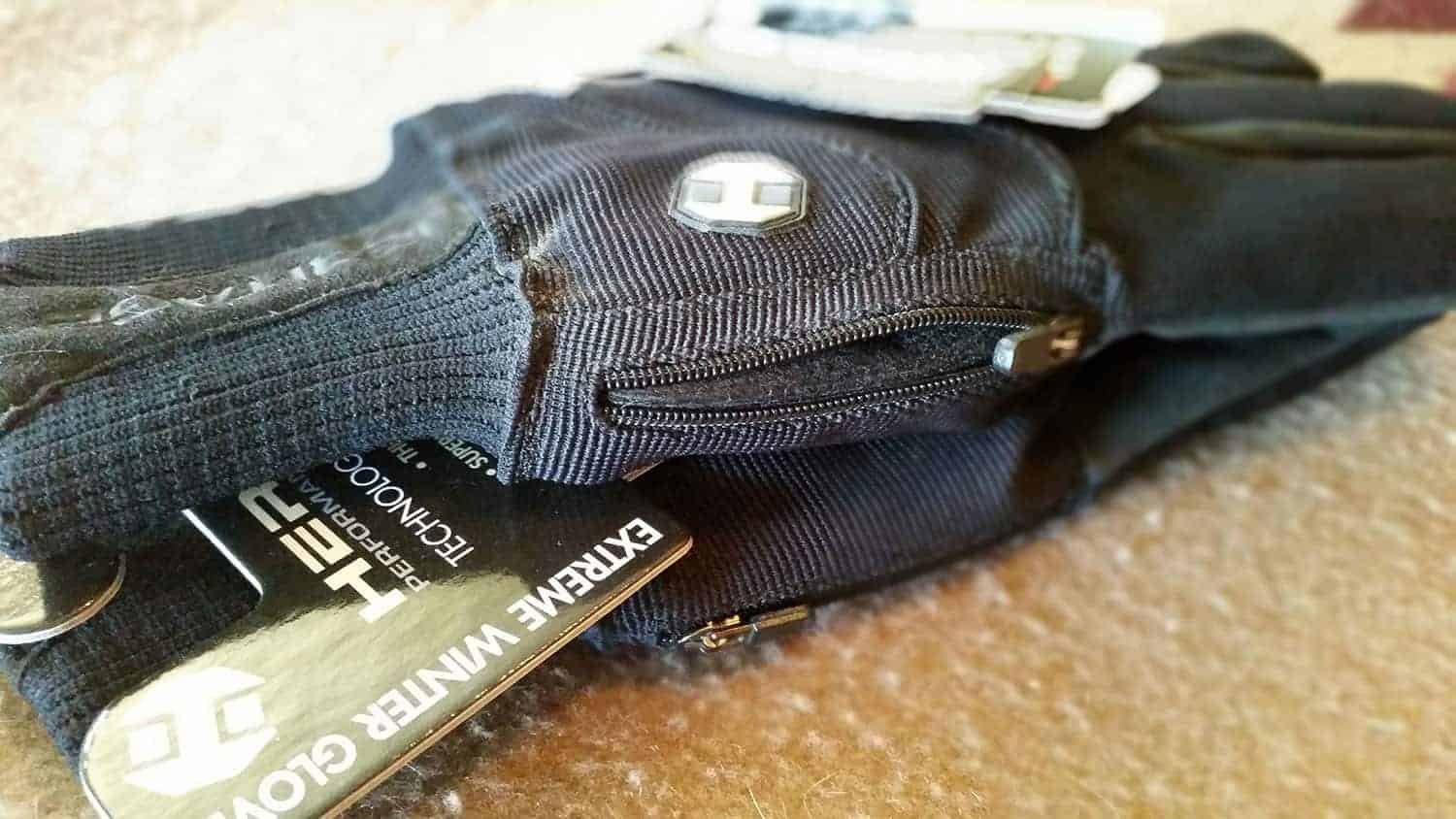
Waterproof Gloves

In rain, snow, or very cold weather look for heavy-duty, waterproof gloves made of durable materials and lightweight insulation. Some even come with pockets to insert hand warmers. Check the hunting section of outdoor stores for other sturdy options. | Photo: Alayne Blickle
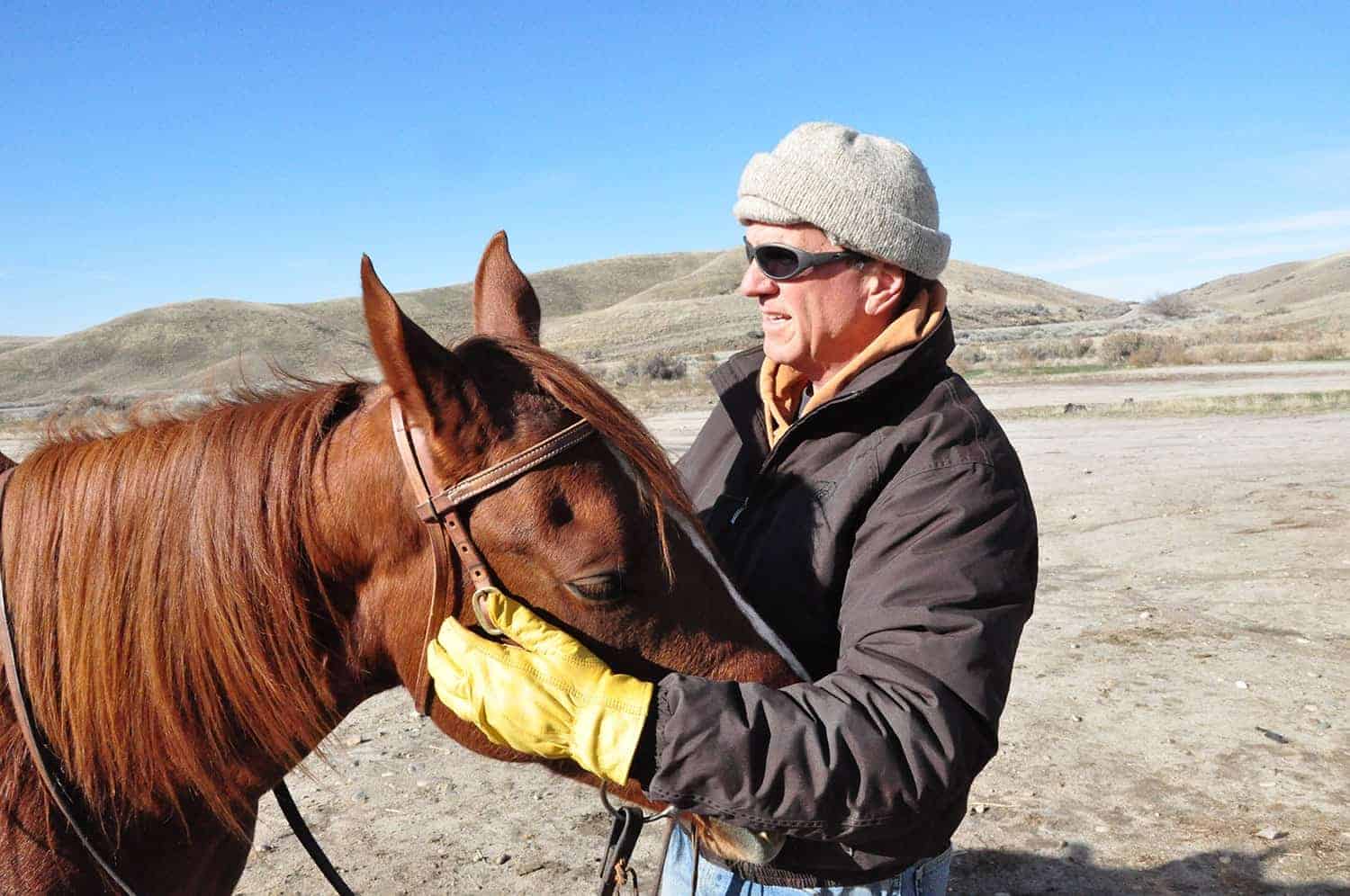
High-Tech Hats

Have a hat or hood available to keep your head and ears warm. Wool insulates even when wet and is an excellent choice. An additional fleece lining will offer your ears extra protection. Some caps even have LED lights built into them so that you can see (and be seen!) in the dark. | Photo: Alayne Blickle
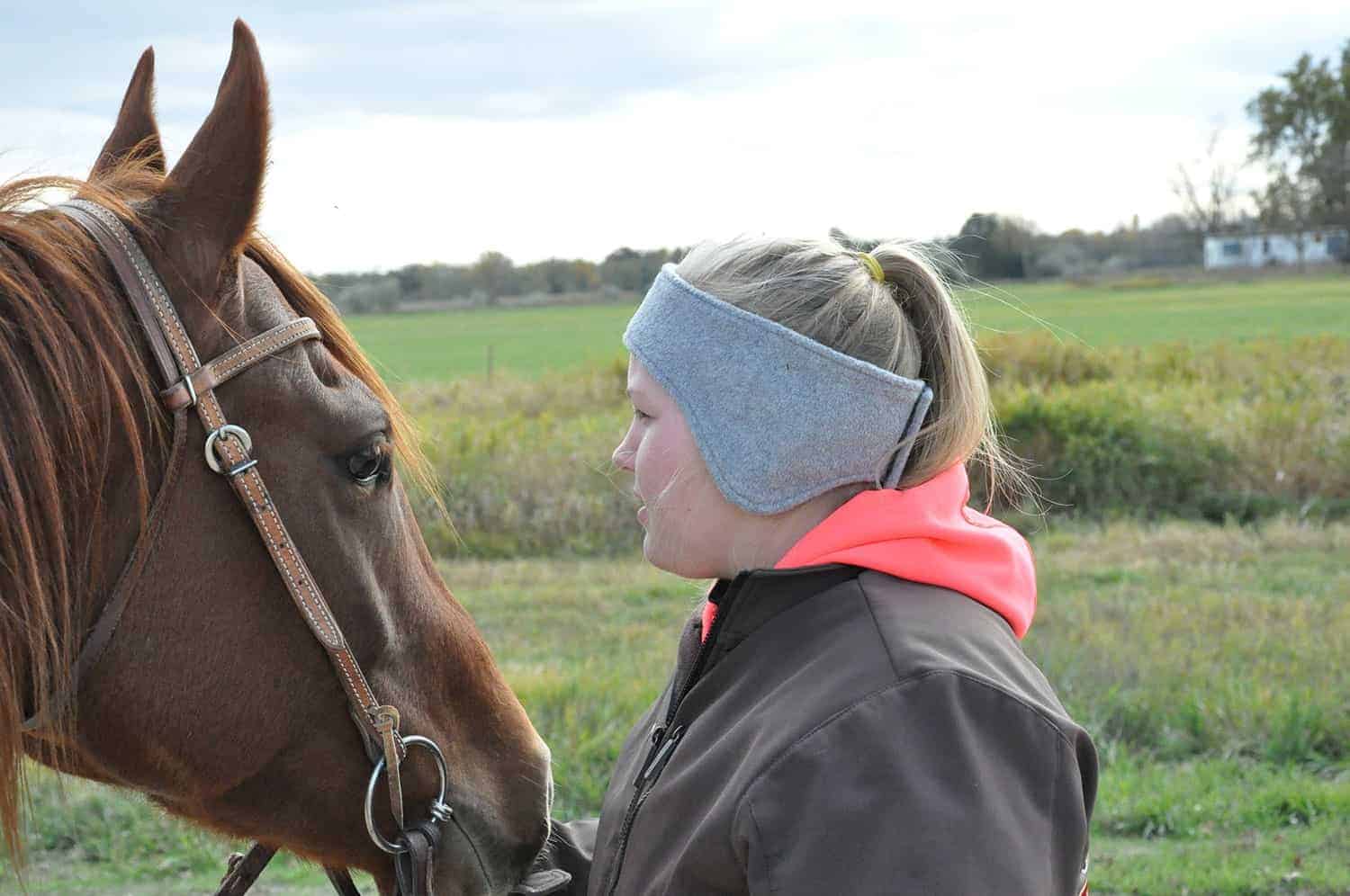
Ear Warmers

Ear warmers come in many fun varieties, some of which work well with a pony tail or under a riding helmet. | Photo: Alayne Blickle
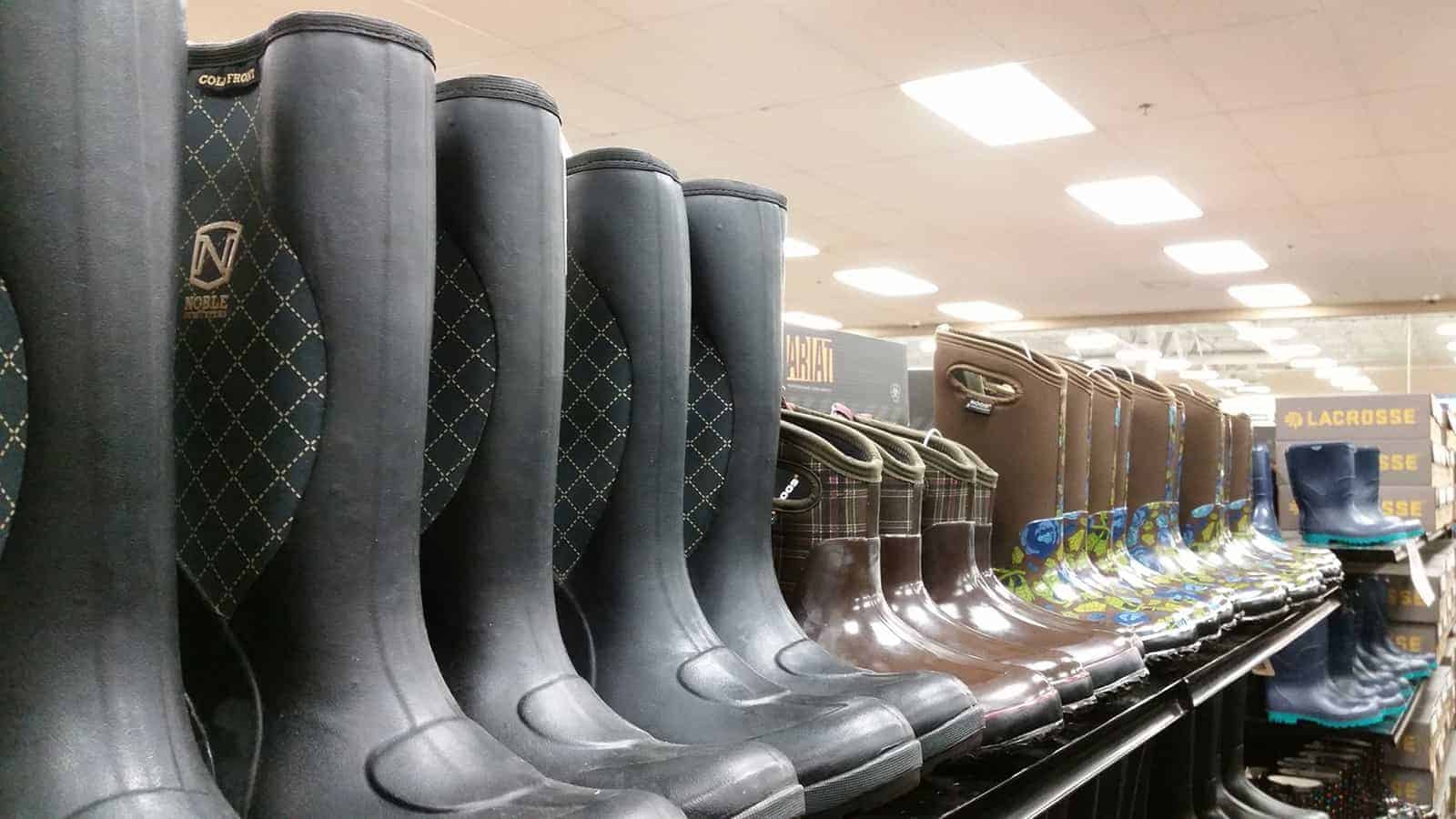
Insulated Boots for Chores and Riding

Consider investing in insulated, waterproof work boots for chores, as well as a pair of winter riding boots. | Photo: Alayne Blickle
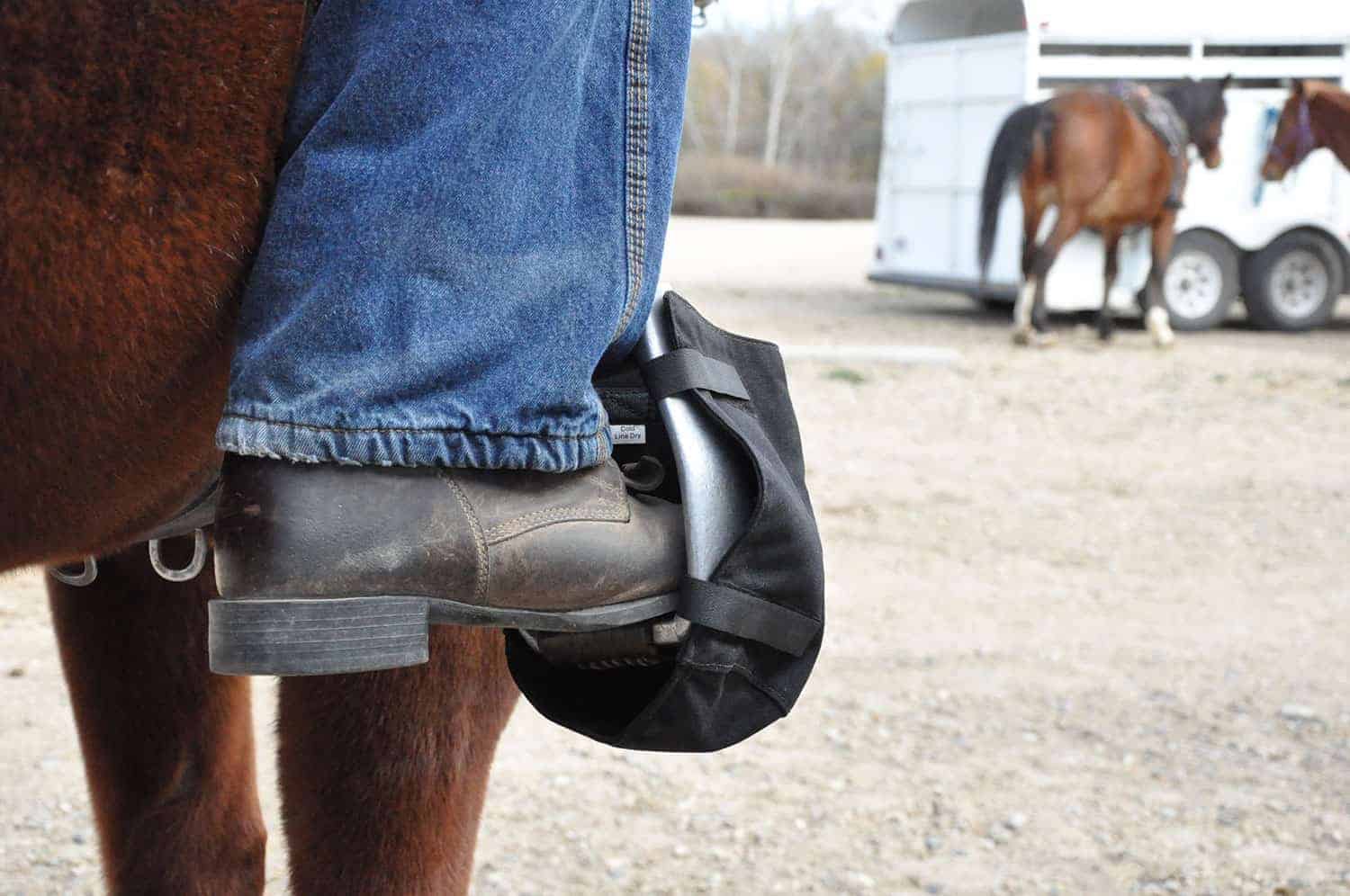
Keep Your Toes Warm

Stirrup protectors help shield toes from wind and rain for outdoor rides, keeping feet warmer longer. These are available for both English and Western stirrups. Under your boots, wear warm wool or wool-blend winter socks. | Photo: Alayne Blickle
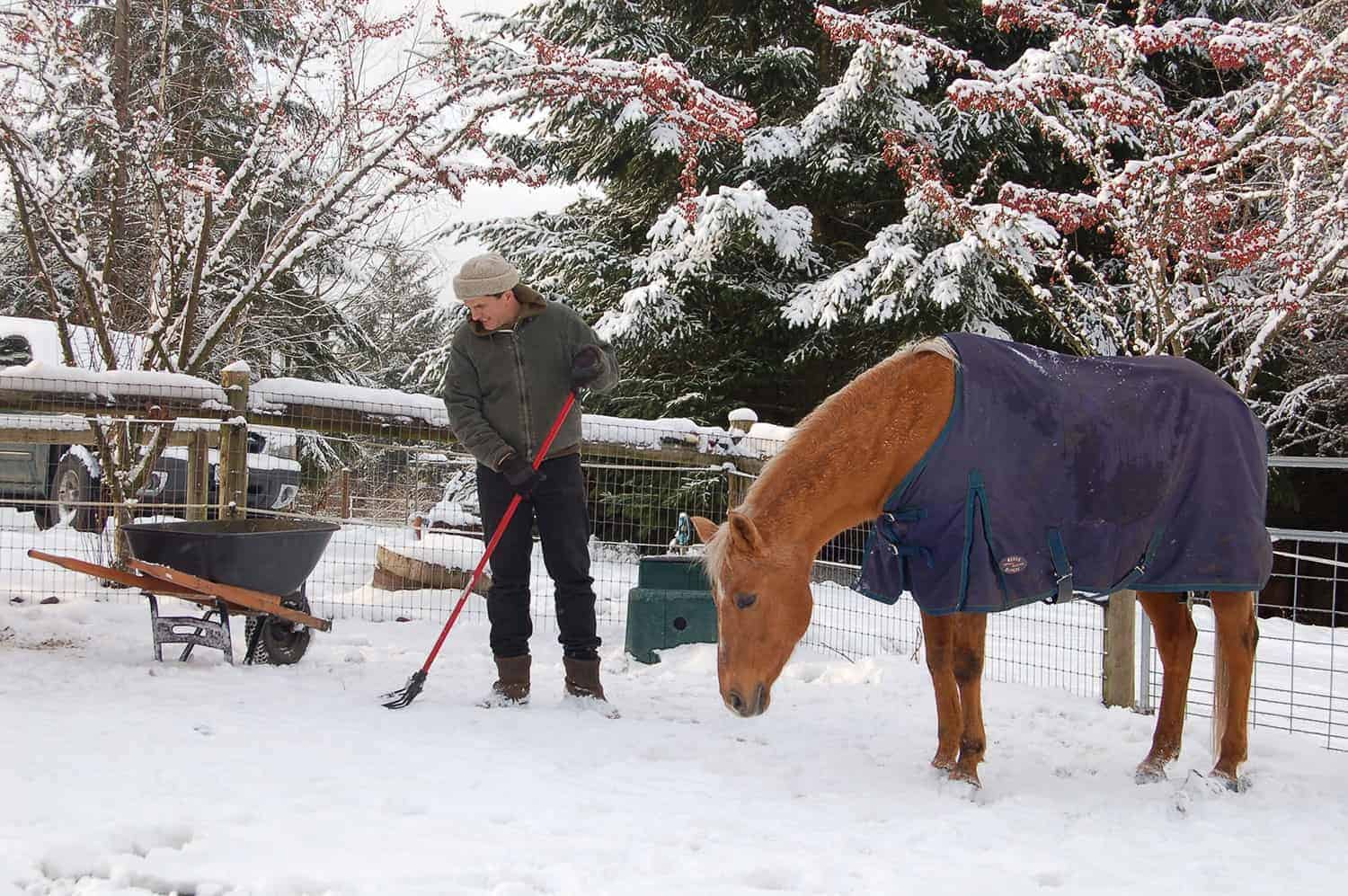
Spring's Around the Corner

Dressing appropriately for the elements and staying warm and dry can make winter horse chores and riding more bearable. It might not seem like it as you're cleaning paddocks in the snow, but spring is just a few months away! | Photo: Alayne Blickle
Share

The Horse Staff

The Horse: Your Guide To Equine Health Care is an equine publication providing the latest news and information on the health, care, welfare, and management of all equids.
MORE ARTICLES BY THIS AUTHOR
PrevPreviousHow Long Can I Store Horse Feed?
NextHilltop Bio Announces Regenaflex: Reaction-Free Regenerative Therapy for HorsesNext

Related Articles

hives

Solving Common Equine Skin Problems

Biosecurity for Equine Hospitals and Indoor Equine Facilities

Feeding Horses: Hay is for Horses, Part 1

Risks Associated With Feeding Horses Traditional Bran Mashes

Risks Associated With Feeding Horses Traditional Bran Mashes

Stay on top of the most recent Horse Health news with

FREE weekly newsletters from TheHorse.com

Learn More

Sponsored Content

Biosecurity for Equine Hospitals and Indoor Equine Facilities

Poll Recap: Readers Share Their Top Nutrition Sources

What’s the Best Gut Supplement for Your Horse?

hunter horse cantering, closeup of joints

The Importance of Prevention in Equine Osteoarthritis

Weekly Poll

sponsored by:

Which best describes your horse’s behavior when you turn him out?
38 votes · 38 answers
VOTEView poll results
View All Polls

Readers’ Most Popular

free fecal water syndrome

Running Loose: Tackling Chronic Diarrhea in Horses

closeup of horse's legs walking through wet, muddy footing

The 3 Worst Threats to Your Horse’s Skin—and What to Do About Them

5 Secrets to Stronger Hooves

Parasite Control for Today's Horses

Parasite Control for Today’s Horses

Top Categories

  • Breeding and Reproduction
  • Nutrition
  • Horse Care
  • Hoof Care
  • Diseases and Conditions
  • Vet and Professional
Partners in Equine Health
AAEVT Logo
World Equine Veterinary Association logo
AAEP logo
BEVA logo
International Association of Professional Farriers logo
Equine Protozoal Myeloencephalitis logo

Seek the advice of a qualified veterinarian before proceeding with any diagnosis, treatment, or therapy.

Follow us

Youtube Instagram Pinterest Facebook Twitter

Our Sites

  • A Home For Every Horse
  • American Cowboy
  • Barrel Racing Magazine
  • Breakaway Roping Journal
  • Calf Roping
  • EQUUS
  • Haul Safe
  • Hope In The Saddle
  • Horse & Rider
  • Practical Horseman
  • Stable Management
  • Team Roping Journal
  • The Horse
  • US Rider
  • US Roper
  • A Home For Every Horse
  • American Cowboy
  • Barrel Racing Magazine
  • Breakaway Roping Journal
  • Calf Roping
  • EQUUS
  • Haul Safe
  • Hope In The Saddle
  • Horse & Rider
  • Practical Horseman
  • Stable Management
  • Team Roping Journal
  • The Horse
  • US Rider
  • US Roper

Resources

  • About Us
  • Contact Us
  • Freelance Info
  • Help
  • Horse Radio Network
  • About Us
  • Contact Us
  • Freelance Info
  • Help
  • Horse Radio Network

Company

  • Meet the Staff
  • Mission Statement
  • Terms of Use
  • Community Policy
  • Advertise with Us
  • Data Subject Access Request
  • Privacy Policy
  • Cookie Consent
  • Meet the Staff
  • Mission Statement
  • Terms of Use
  • Community Policy
  • Advertise with Us
  • Data Subject Access Request
  • Privacy Policy
  • Cookie Consent
Your Privacy Choices
Seek the advice of a qualified veterinarian before proceeding with any diagnosis, treatment, or therapy.
  • RSS feed
  • Site Map
  • Privacy
  • EquineNetwork.com
  • RSS feed
  • Site Map
  • Privacy
  • EquineNetwork.com
Copyright ©2026 Equine Network, LLC. All rights reserved. Reproduction in whole or in part in any form or medium without written permission of Equine Network, LLC is prohibited. THE HORSE, THE HORSE logo, THEHORSE.com and THEHORSE.com logo are trademarks of Equine Network, LLC.

We use cookies to improve your experience on our site. By using our site you consent to cookies. Learn more

Sign In

Lost your password?

Don’t have an account? Register for a FREE account here.

Create a free account with TheHorse.com!

"*" indicates required fields

Name*
Password*

Profile

Do you own a horse?
Do you own a horse trailer?
Do you own a horse farm?
In which equestrian disciplines do you ride, show, or participate?

Newsletter Offers

Weekly Newsletters
Monthly Newsletters
Other Newsletters
By clicking "subscribe", I consent to Equine Network’s Privacy Policy and Terms of Service and I represent that I am over 16 years old.
The Horse
Powered by  GDPR Cookie Compliance
Privacy Overview

This website uses cookies so that we can provide you with the best user experience possible. Cookie information is stored in your browser and performs functions such as recognising you when you return to our website and helping our team to understand which sections of the website you find most interesting and useful.

Strictly Necessary Cookies

Strictly Necessary Cookie should be enabled at all times so that we can save your preferences for cookie settings.