Building a Healthier Horse, One Month at a Time
The start of a new year is a great time to reset and make intentional choices about your horse’s health. Because year-round care can feel like a lot to manage, breaking it down into monthly focus areas can help you stay on track.
“We know managing your horse’s health can sometimes feel overwhelming, or people aren’t sure where to start,” says Sarah Reuss, VMD, Dipl. ACVIM, equine technical manager, Boehringer Ingelheim and the 2026 American Association of Equine Practitioners (AAEP) president. “Having a month-by-month focus can help make it feel less intimidating, but horse owners should note that this framework is just a guide. If you notice changes in behavior, appetite, or other clinical signs at any time, consult your veterinarian right away.”
January: Proactively Plan Your Year
Kick off the year by taking a close look at the show and event calendar and planning which you want to attend. Although plans can change throughout the year, at least you will have an idea of health care needs that may arise based on a tentative schedule. If you work with a trainer, it’s also a good time to set goals and expectations with them.
February: Schedule Spring Vaccinations
As warmer weather approaches, it’s time to plan for a wellness visit from your veterinarian. Even though you might live in an area where spring vaccinations don’t start until later in the year, go ahead and get them on the calendar now. In addition to administering vaccinations, your veterinarian should conduct a complete wellness exam, checking the condition of teeth, establishing an overall body score, conducting a fecal egg count and Coggins test, and evaluating joint health. Be prepared to share your tentative show and event plan for the year so any additional appointments can be scheduled.
March: Evaluate the Environment
Dust in the barn can be a detriment to horses’ respiratory systems. To help control dust, consider improving overall ventilation. Other management tips include wetting or soaking hay, keeping the barn open, removing cobwebs, and storing hay somewhere other than above stalls. This is also a good time to check that waterers and feeders are clean and functioning properly.
April: Focus on Nutrition
Now is a perfect time to reevaluate your feeding program. Based on your horse’s body condition and workload, adjust rations as needed. Consider adding a vitamin and mineral supplement if hay quality is variable and always ensure constant access to clean water. Your veterinarian or an equine nutritionist can help with evaluating your feeding program.
May: Assess the Condition of Tack
As riding season gets into full swing, take some time to evaluate the condition of your tack. Is there anything that needs to be replaced or repaired? You should already be cleaning grooming tools regularly but, if not, deep clean all brushes, buckets, blankets, and any other equipment in the barn and trailer.
June: Prioritize Pasture Management
Healthy pastures mean healthier horses. Rotate grazing areas to prevent overgrazing, drag fields to break up manure piles, and monitor for toxic weeds. Early summer is also a great time to test soil and reseed thin areas for future forage quality. Check fences and gates and perform any necessary repairs.
July: Beat the Heat
Summer heat brings new challenges. Provide ample shade, fresh water, and electrolytes, particularly for horses with a heavy workload. Check that fly control programs are in place; both mechanical and biological methods can help reduce insect stress.
August: Support Digestive Health
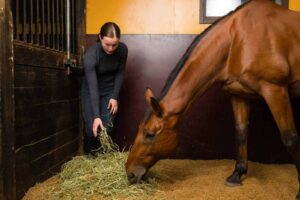
A horse’s stomach produces acid continually, which supports a natural feeding pattern of continuous grazing on forage. Due to the way we manage our horses (stall time vs. continuous turnout) there is a potential for equine stomach ulcers to develop. Use preventive measures such as continuous access to forage via a slow-feed hay net and feeding hay before grain and before exercise. If you feed grain, provide it in small, frequent meals, and ensure access to water at all times.
September: Schedule Fall Boosters
Make an appointment for fall boosters. Based on the AAEP vaccination guidelines, geographic area, and travel schedule, your veterinarian will recommend which vaccinations need to be boostered. If you have questions, ask. Your veterinarian, who knows your horse and premises, is the best source of information for which vaccines are most appropriate for your horse.
October: Prepare for Winter
Before that first freeze, check blanket fit and condition. Ensure any water heaters or insulated buckets are functioning. Stock up on hay, grain, and shavings in the case of inclement weather.
November: Revisit Hoof Care
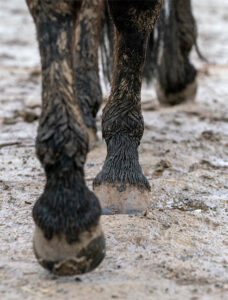
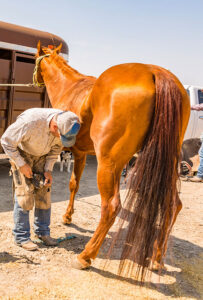
While farrier visits are routine throughout the year, take the time to evaluate your horse’s hoof condition and talk with your farrier about potential needs for the winter. Is your horse shod or trimmed to navigate potentially muddy or frozen ground?
December: Reflect
What went well? What did you learn by consciously managing your horse’s health every month? Close out the year by reviewing your horse’s health care records, expenses, and achievements. Use what you learned this year to prepare for next year.
“Small, consistent actions lead to big rewards. By being proactive, you’ll reduce stress, avoid last-minute scrambles and ensure your horses stay at their best all year long,” says Reuss.
For more information visit LeadWithCare.com.

Related Articles

Stay on top of the most recent Horse Health news with