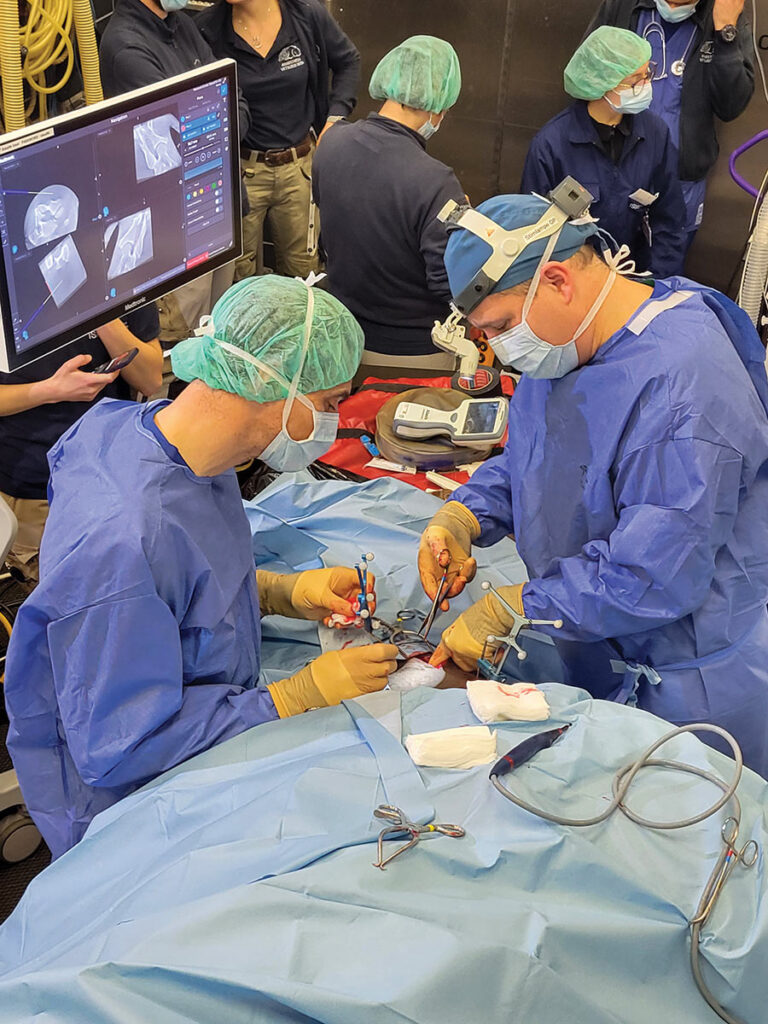
Case Study: Computer-Assisted Repair of a Cervical Vertebral Fracture in a Horse
Veterinarians successfully repaired a rare C6 fracture using advanced imaging and computer-assisted navigation. Read more in the Spring 2026 issue of The Horse.

Veterinarians successfully repaired a rare C6 fracture using advanced imaging and computer-assisted navigation. Read more in the Spring 2026 issue of The Horse.

Find out how coffin bone fractures happen and how to prevent them from becoming career-ending injuries.

Radiographic evidence reveals Western performance horses can develop fetlock bone stress similar to racehorses—likely from repetitive strain, not speed.

Learn about the types of fractures seen in equine athletes and how veterinarians handle them.

The racing industry is leading the charge in identifying at-risk athletes before catastrophe occurs.

Horses can (and will) find unique ways to injure themselves. In this article we’ll highlight 4 of the most common causes of sudden lameness.
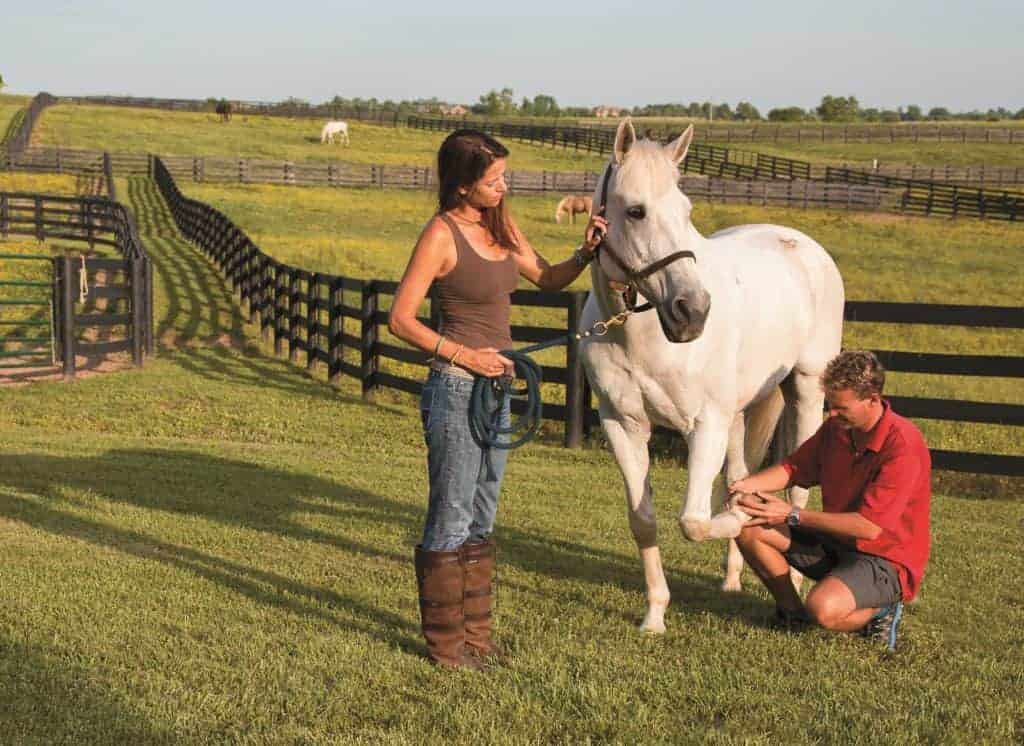
Punctures, abscesses, and worse: What to do when your horse’s hoof is hurting and whom to call for help.

Standing surgery allows for treatment options that might not have been possible previously due to risks associated with general anesthesia.

The most common horse vertebral issues seen over a decade at one diagnostic lab were wobbler syndrome, fracture/subluxation, and abnormal spinal curvature.

Many horses can cause trauma on themselves. Usually, they’re wounds or cuts on the legs—but sometimes, they’re on the horse’s head.

Two fillies with facial fractures went on to high-performance careers after undergoing successful surgeries to repair their sinuses. Veterinarians based the technique on one used to repair human skull fractures.

Sesamoid injuries in horses can be difficult to repair and even catastrophic; here’s what can go wrong and how to prevent it from happening.
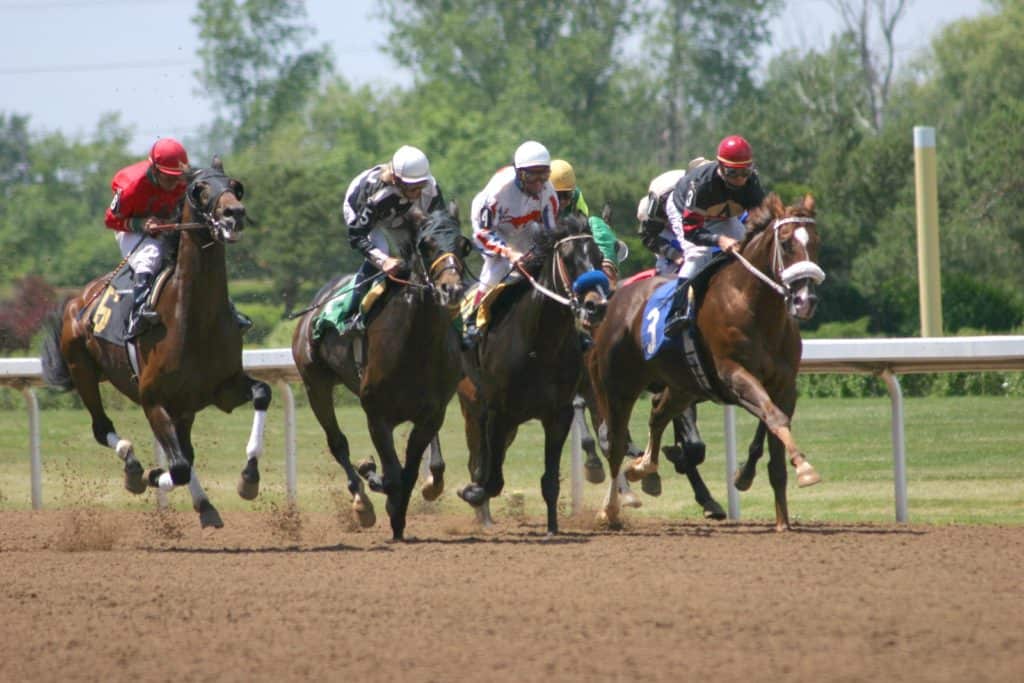
Researchers at the University of California, Davis, School of Veterinary Medicine have linked bone loss to proximal sesamoid bone fractures in California racehorses.

Standing surgeries on sedated horses can provide good, if not better, results than equivalent surgeries on fully anesthetized horses, without the added costs and complications.

Dr. Dean Richardson presented the Milne State of the Art Lecture at the 2019 American Association of Equine Practitioners’ Convention to offer insight into treating bone breaks and fractures in horses.

Something on the X rays looks a bit off—is it significant or of no consequence? It depends on what you find.