Can My Horse Eat Hay With Preservatives?
Although researchers have shown horses prefer untreated hay, it is safe for horses to eat hay treated with preservatives. An equine nutritionist explains why.

Although researchers have shown horses prefer untreated hay, it is safe for horses to eat hay treated with preservatives. An equine nutritionist explains why.

Listen to all things horse hay with Carey Williams, PhD, to better understand what kind of and how much hay to feed your horses. Sponsored by Tribute Equine Nutrition.

While steeped in tradition, feeding bran mashes can cause GI distress in horses. Learn why, and discover alternatives.

Learn how to store hay and grain properly—keeping nutrients in and mold, rodents, and spoilage out.
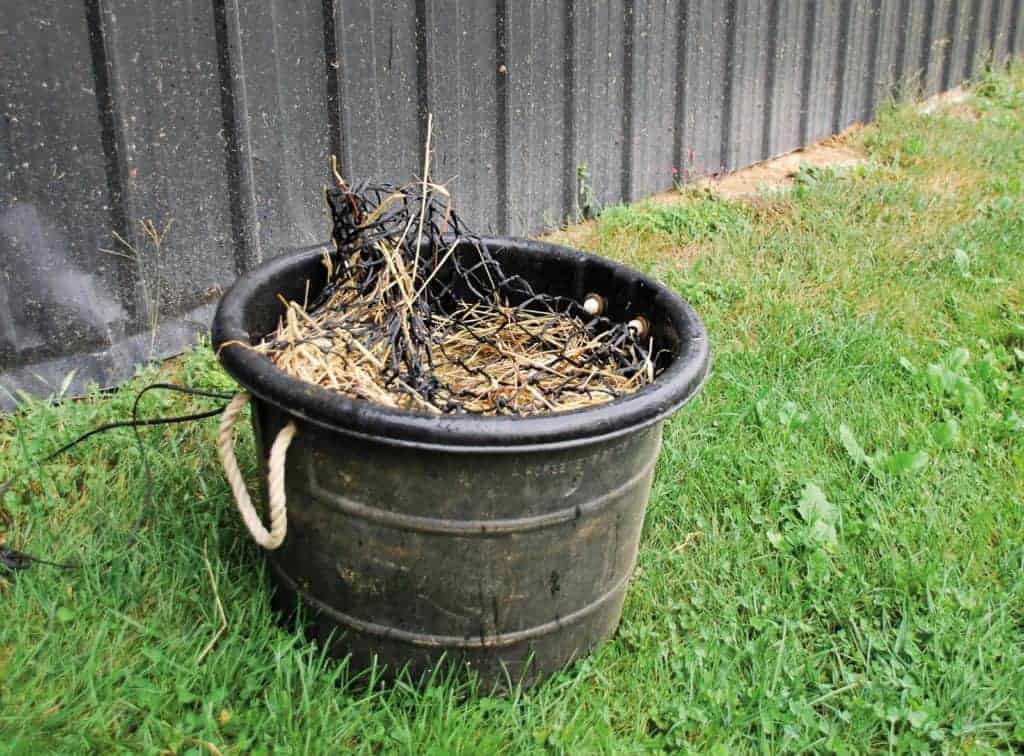
Hay soaking can help horses with equine metabolic syndrome, but owners should understand how it might affect the rest of the diet.

Forage should be the basis of your horse’s diet. Here’s what factors to consider when choosing a forage.

Dr. Nicole Rambo describes common feeding mistakes she sees people make and how to fix them. Sponsored by Tribute Equine Nutrition.

Learn what, when, and how to feed horses with metabolic issues such as EMS, ID, and PPID.

Moisture meters can help you determine when to bale and store your horses’ hay and can protect against barn or storage building fires.

Read the pros, cons, and surprising facts about slow feeders, including haynets, haybags, and hayboxes.

Can feeding hay cut later in the season lead to impaction colic in horses?

Use these tips to make smart mealtime decisions when feeding many types of horses.

Learn why your horse might benefit from a slow hay feeder and how to choose the right one.

A nutrition expert offers advice on preventing weight gain and boredom while a hefty horse is on stall rest.
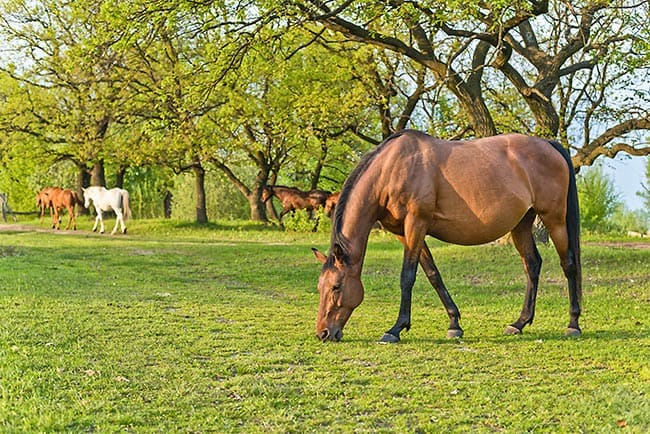
With careful management and feed selection, owners can provide broodmares the nutrients they need to support foal growth. Here’s what one equine nutritionist recommends.

Don’t wait for the first snowflakes to prepare your horse property for the cold, dark, and wet months ahead.