Musculoskeletal System
Article
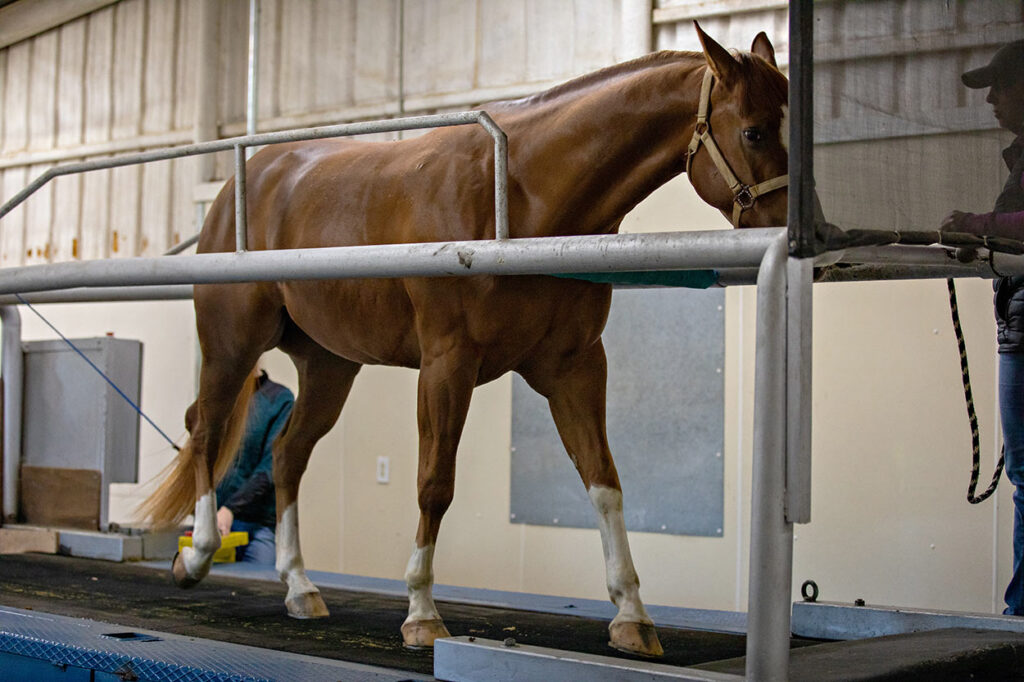
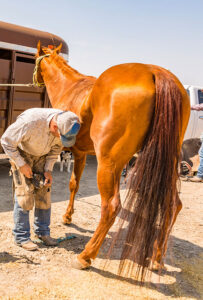
Hoof Angles' Impact on Lameness Examined
Research shows that various angles of the outer and inner hoof are linked to different kinds of lameness.
Photo by Erica Larson, News Editor
Article
Creating a Sustainable Equine Athlete
Paying attention to certain, sometimes minute, details can help horses enjoy longer athletic careers.
Photo by Erica Larson, News Editor
Article
Influences on Equine Fracture Healing
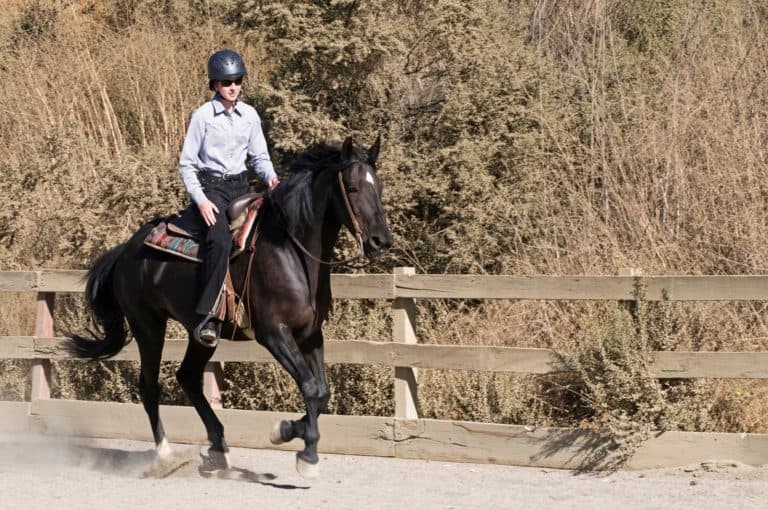
Bone fractures in horses, whether catastrophic or microscopic, heal through a complex sequence of events.
Photo by Doug Herthel, DVM
Article
Gluck Research Foundation Releases Fourth Research Report
March 28, 2013
The University of Kentucky Gluck Equine Research Foundation published its 2012 Research Report in March. ... Read More
Article
Hoof Angles' Impact on Lameness Examined
March 06, 2013
Research shows that various angles of the outer and inner hoof are linked to different kinds of lameness.... Read More
Article
Study Examines Osteoarthritis Formation after Fetlock Injury
November 24, 2012
A single impact injury did not cause generalized osteoarthritis in the fetlock during the study period.... Read More
Article
Creating a Sustainable Equine Athlete
November 23, 2012
Paying attention to certain, sometimes minute, details can help horses enjoy longer athletic careers.... Read More
Article
Influences on Equine Fracture Healing
November 19, 2012
Bone fractures in horses, whether catastrophic or microscopic, heal through a complex sequence of events.... Read More
Article
Study: Cut-Out Saddle Pads Relieve Some Saddle Pressure
November 16, 2012
A cut-out patterned English appeared to have multiple benefits when compared to not using a pad.... Read More
Article
Veterinary Care for the Sport Horse
November 15, 2012
The goal for sport horses, from prepurchase exams through their careers, is to extend the time to retirement.... Read More
Article
Clay Named Chair of Gluck Equine Research Foundation
November 14, 2012
Case Clay of Thee Chimneys Farm was named to the position in October.... Read More
Article
Cannon Bone Fractures in Sport Horses vs. Racehorses
November 07, 2012
Researchers found that clinical signs of cannon bone fractures in sport horses and racehorses were similar.... Read More
Article
Could Horses' Neck Postures Indicate Back Pain?
October 26, 2012
A recently published French study suggests a horse's neck posture might indicate correlating back pain.... Read More
Article
Diagnosing Equine Neck Conditions
October 22, 2012
Neurologic signs, weakness, gait changes, and forelimb lameness can all point to an equine neck condition.... Read More
Article
Bramlage: Rest Needed to Keep Horses Sound
October 19, 2012
"If horses start showing they need a rest, you need to give it to them or they will force you to," he said.... Read More
Article
New Concepts in Equine Skull Fracture Repair
October 17, 2012
While equine skull fractures are unsightly and alarming, surgeons can often repair them successfully.... Read More
Article
Study Examines Most 'Physically Effective Fiber' for Horses
October 06, 2012
Forage-only diets provide horses with more physically effective fiber than hay and concentrate diets.... Read More
Article
Crestfallen
October 01, 2012
My 13-year-old pony stallion was quite well-muscled and stocky with a pronounced crest when he was younger. Af... Read More
Article
Equine Veterinary Students Welcome New Learning Tool
September 11, 2012
Veterinary professors in England develop "Anato-Rug" to help students study equine anatomy.... Read More
Article
Derby, Preakness Runner-Up Retired with Shoulder Injury
August 21, 2012
The colt was diagnosed with a peripheral nerve injury that caused atrophy in his left infraspinatus muscle.... Read More
Article
Researchers Test Equine Muscle Fatigue Sensor
August 13, 2012
Researchers tested electromyography for identifying equine muscle fatigue during exercise.... Read More
Article
Exercises to Strengthen Equine Back Muscles, Reduce Pain
August 06, 2012
Exercising the multifidus muscles in addition to daily training could reduce equine back pain.... Read More
Article
CSU to Offer Horse Health Discussions for Veterinarians
August 03, 2012
The first discussion, which will cover sacroiliac pain in horses, is scheduled for Aug. 6 at 6:30 p.m.... Read More
Article
Understanding Equine Movement Disorders
August 02, 2012
More research is needed to fully understand equine movement disorders such as shivers and stringhalt.... Read More
Article
Identifying and Managing Acute Rhabdomyolysis in Horses
July 25, 2012
Understanding equine acute rhabdomyolysis can help ensure affected horses receive appropriate veterinary care.... Read More
Article
Horses' Physiologic Responses to Exercise
July 16, 2012
Physiologic and anatomic systems coordinate to allow a horse to reach his maximum athletic potential.... Read More
Article
Commentary: Past, Present, and Future of Equine Stem Cells
July 06, 2012
One veterinarian shares his thoughts on the past, present, and future of stem cells in equine medicine.... Read More
Article
Muscle Problems Can Cause Poor Equine Performance
July 05, 2012
Muscular causes of poor performance, such as tying up and back pain, are relatively common in equine athletes.... Read More
Related Multimedia & Downloads
Find more related content in:
Farm Call: Your Questions Answered
Crestfallen
Q. My 13-year-old pony stallion was quite well-muscled and stocky with a pronounced crest when he was younger. After a leasing period, he returned seriously underweight with significant muscle atrophy and a soft, almost floppy crest. Can we remedy this?
Scoliosis in Adult Equines
Q. My gelding's back is skewed to the left, making riding uncomfortable for him. Could the crookedness in his spine be caused by overschooling with pain and incorrect muscle use? Or could the scoliosis have always been there and gotten worse?
Rehabilitating Muscle
Q. Q: My horse has a severe laceration involving the biceps femoris and semitendinosis muscles (along the back of the hindquarter). He is 17 and in very good shape, training Prix St. Georges. We were able to suture the site and the incision is healing nicely. My question is on rehabilitation. What would be the best avenue to take to prevent too much scar tissue from forming and