How Does Geography Influence Equine Asthma?
Researchers identified regional differences in fungi found in asthmatic horses’ airways. Here’s how you can manage your horse’s risk.

Researchers identified regional differences in fungi found in asthmatic horses’ airways. Here’s how you can manage your horse’s risk.

Barn air quality can shape a horse’s respiratory health. Good ventilation and thoughtful management help reduce airborne irritants and protect the lungs.

Take a few simple precautions and management approaches to help your horse weather winter safely.

Don’t wait for the first snowflakes to prepare your horse property for the cold, dark, and wet months ahead.

8 important tasks to check off your list before the colder weather arrives.

One expert explains how exposure to dust can negatively affect equine respiratory health and how owners can reduce their horses’ risk.
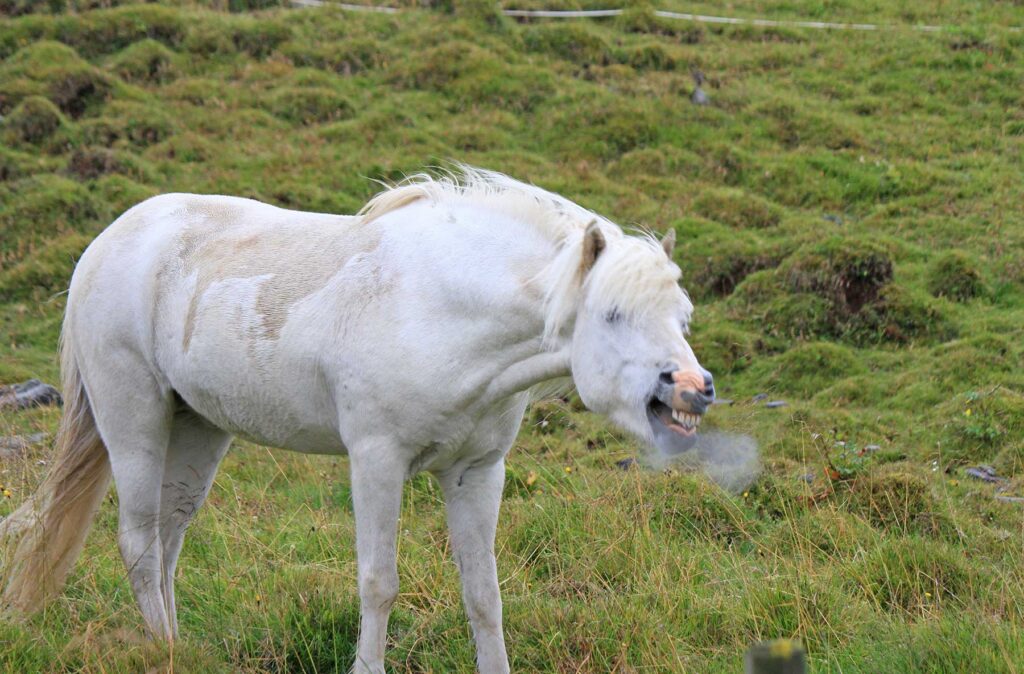
Nasal discharge, coughing, and changes in breathing rate or effort can point to equine respiratory disease. Learn how to spot early warning signs.

Good barn ventilation means air exchange, not just airflow. Open, airy stalls and well-timed chores help reduce dust and improve air quality.
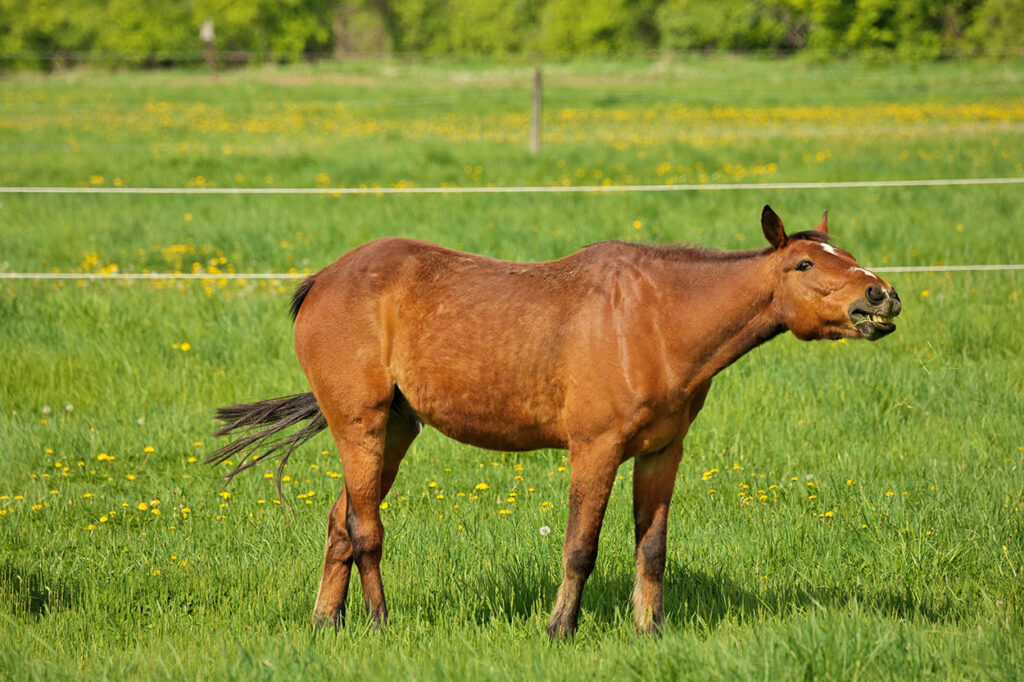
Vaccination, biosecurity, and sound barn management practices reduce the risk of equine respiratory disease and support faster recovery.

Is it better to leave your barn doors and windows open during winter or close them? Will your horses be healthier living outside during winter? Two experts explain.

Learn how air quality issues such as wildfire smoke and pollution can affect your horse’s respiratory health.

Improving the air quality in your barn can protect horses and humans against respiratory dysfunction.

All week long, learn about what affects a horse’s respiratory health and how you might be able to influence it. Brought to you by Sweet PDZ.

One expert explains why closing your barn doors and windows during the winter might not be ideal for your horse’s health.

Poor air quality from wildfire smoke can be very dangerous for horses. An equine internal medicine specialist offers advice.

Researchers have determined that testing bronchoalveolar lavage fluid might be the most accurate way to diagnose horses with equine asthma.