Feeding Horses to Avoid or Reduce Inflammation
Researchers continue to learn how the components of a horse’s diet can help battle inflammation.

Researchers continue to learn how the components of a horse’s diet can help battle inflammation.

What does it take to optimize a horse’s immune response and fight off disease?

Combining Gram staining and cytology gives veterinarians faster insight into uterine infections and helps reduce unnecessary antibiotic use.

Newborn foals depend on colostrum‑derived antibodies, making rapid and accurate IgG testing to confirm passive transfer essential.

Dr. Liz Schatz explains whether supplements can strengthen a horse’s immune system, especially in the face of equine disease outbreaks.

Dr. Frank Andrews explains how vitamin E and selenium could help support your horse’s immune system.

Learn about some of the rare autoimmune diseases that affect the horse’s skin, blood vessels, and the gastrointestinal tract in the Fall 2025 issue of The Horse.
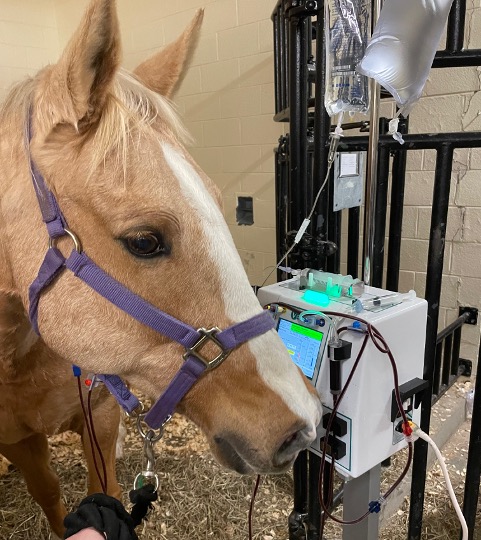
Hemoperfusion—filtering blood through a column to remove toxins—shows promise for managing sepsis in horses with pleuropneumonia, endotoxemia, and more.

Drs. Susan White and Jonathan Yardley explain the benefits of equine allergy shots and how quickly horse owners might notice the benefits.

Discover how the horse’s immune system uses inflammation to defend against pathogens.

Here’s what you can do to help your allergy-prone horse prepare for the onslaught of seasonal allergens.

New research shows that veterinarians might need to allow several hours between transportation and testing for conditions such as PPID.

Smoky air makes breathing difficult and can exacerbate equine asthma. Learn how to support your horse’s respiratory health via nutrition and reduce airway irritants during fire season.

Researchers have learned more about inflammatory biomarkers and their presence in horses with inflammaging, or age-related bodywide inflammation.

Lumps, bumps, coughs, wheals, and wheezes: a basic overview of equine allergies.

Your horse’s diet and gut health could play a role in his immune response, though age, stress, and obesity are likely bigger factors.