The Ins and Outs of Severe Equine Asthma
Commonly known as “heaves,” equine asthma is a serious condition that requires proper diagnosis, management, and often treatment. Sponsored by Kentucky Performance Products.

Commonly known as “heaves,” equine asthma is a serious condition that requires proper diagnosis, management, and often treatment. Sponsored by Kentucky Performance Products.

Equine asthma is an umbrella term used to describe chronic, noninfectious airway inflammation in horses. Here’s what experts know.

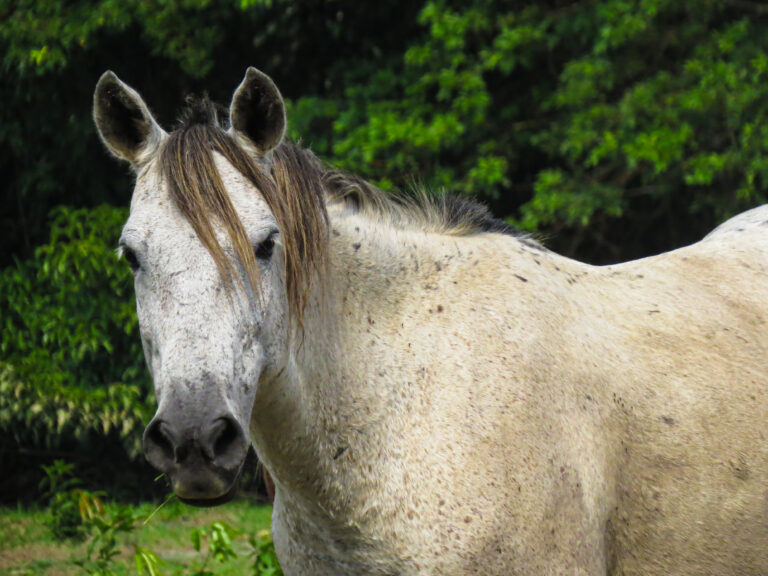
Learn more about this respiratory disease and how it affects adult horses housed on pasture.

Correct diagnosis of equine asthma is crucial to finding a treatment that works for your horse.

Dr. Susan White describes what horse owners can expect when managing horses with asthma.

What should and shouldn’t horses with heaves (or equine asthma) eat? A nutritionist offers advice.

Recurrent airway obstruction is a medical condition, but feed changes might help your horse breathe better.

Does alfalfa cause kidney or respiratory problems or make horses hyper? Specialists shed light on these myths and more.

Learn more about equine asthma, acute respiratory infections, and shipping fever in horses.

Cold, dry winter air can potentially leave horses susceptible to irritation, respiratory pathogens, and bronchoconstriction.

Follow the steps in this visual guide to help your horse breathe easier.
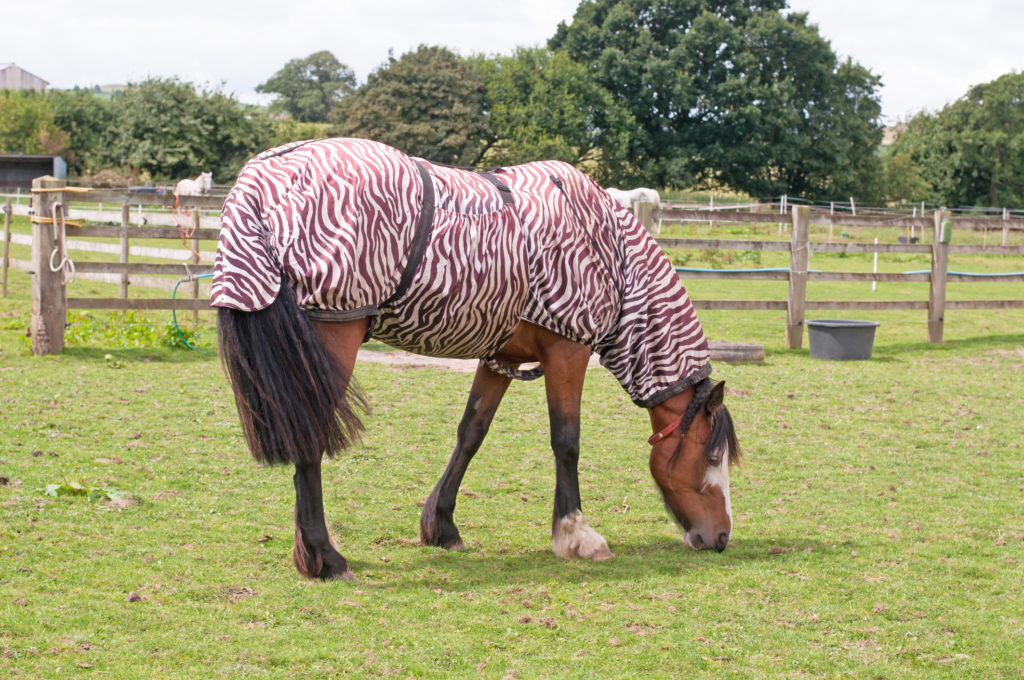
Help keep your horse healthy and get the most out of the coming months by increasing your understanding of—and watching for—five common health conditions seen during the summer.

Senior horses diagnosed with this performance-limiting respiratory condition face more obstacles than their younger counterparts.

Learn about the steps you can take to reduce the number of asthma-causing airborne particulates in your horse’s barn.

My older horse has respiratory allergies. Is there anything I can do to help him breathe easier while wearing a muzzle?

If you’ve got a horse with insect bite hypersensitivity, midges might not be your only problem. Researchers found that IBH horses are more likely to develop allergic reactions elsewhere—specifically, in the breathing passages.