Protein-Losing Enteropathy
Article
Lawsonia intracellularis Tests: How Do They Measure Up? (AAEP 2012)
Researchers tested the usefullness of four blood serum tests in detecting L. intracellularis.
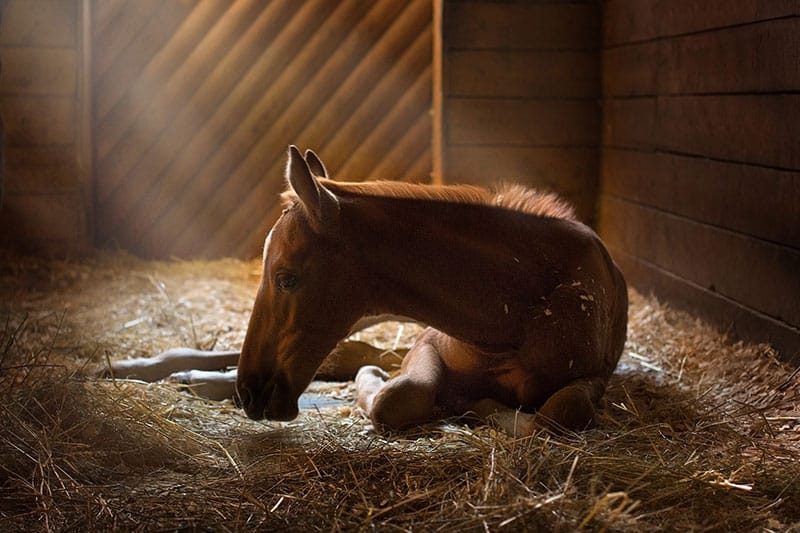
Photo by Anne M. Eberhardt
Article
Lawsonia Vaccine Studied
No adverse reactions to the vaccine were noted and fewer than 2% of the weanlings exhibited signs of disease.
Photo by Nicola Pusterla, DVM, PhD, Dipl. ACVIM
Article
Prevalence of L.intracellularis on Farms (AAEP 2011)
The overall seroprevalence was 68% on all farms tested, with levels on individual farms ranging from 14-100%.
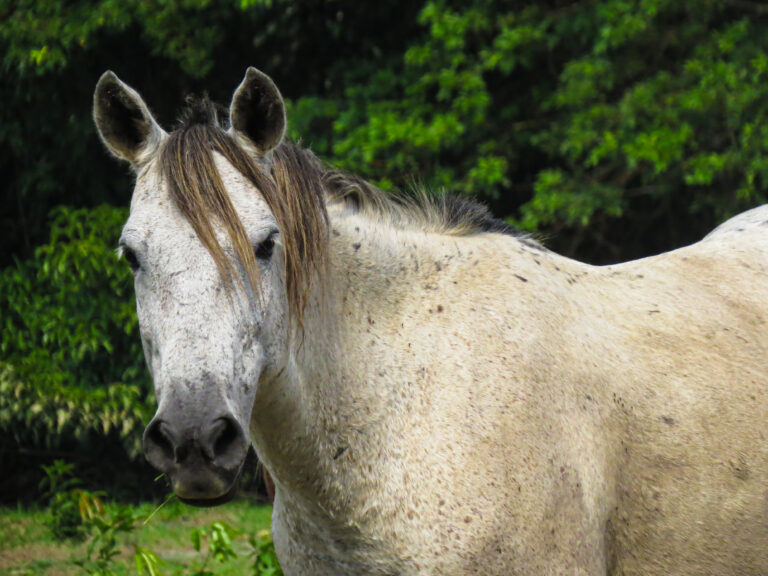
Photo by Anne M. Eberhardt
Article
Lawsonia intracellularis Tests: How Do They Measure Up? (AAEP 2012)
March 02, 2013
Researchers tested the usefullness of four blood serum tests in detecting L. intracellularis.... Read More
Article
Lawsonia Prevalence Patterns Investigated
February 22, 2013
Yearly variability in exposure to Lawsonia in young horses appears to be different than previously thought.... Read More
Article
Coleman, Page Recipients of EQUUS Foundation Research Fellows
December 03, 2012
The awards emphasize the importance of assisting researchers in their exploration of horse health topics.... Read More
Article
UK to Host Lawsonia Symposium
August 21, 2012
The L. intracellularis symposium will take place Nov. 15 at the UK Veterinary Diagnostic Laboratory.... Read More
Article
Ky. Thoroughbred Farms Take Part in L. intracellularis Study
May 24, 2012
The study on Lawsonia intracellularis involves 14 Thoroughbred farms and 600 Thoroughbreds in Kentucky.... Read More
Article
Lawsonia Vaccine Studied
February 20, 2012
No adverse reactions to the vaccine were noted and fewer than 2% of the weanlings exhibited signs of disease.... Read More
Article
Prevalence of L.intracellularis on Farms (AAEP 2011)
February 05, 2012
The overall seroprevalence was 68% on all farms tested, with levels on individual farms ranging from 14-100%.... Read More
Article
Determining the Best Samples for EPE Testing
October 13, 2010
A recent study found that using rectal swab samples could be an alternative way to test for the Lawsonia intracellularis bacteria that causes equine proliferative enteropathy (EPE) if the foal has decreased or no fecal output.... Read More
Article
Foals Can Shed EPE Organisms to Uninfected Horses
April 12, 2010
Weanling foals that come down with equine proliferative enteropathy (EPE) will recover if they are treated properly, so owners should look for this emerging disease in sick foals, said Nicola Pusterla, DVM, PhD, Dipl. ACVIM, associate professor... Read More
Article
Researchers Track Lawsonia intracellularis Spread
March 26, 2010
Lawsonia intracellularis is being forced out of hiding and its secrets extracted largely because of the intense research efforts of scientists like Nicola Pusterla, DVM, PhD, Dipl. ACVIM, and his colleagues at the University of Californi... Read More
Article
Emerging Disease: Equine Proliferative Enteropathy
December 27, 2009
Equine proliferative enteropathy (EPE) is an emerging intestinal disease primarily of recently weaned foals. Lawsonia intracellularis, the causative bacterium of EPE, is capable of inducing similar disease in many animal species... Read More
Article
Lawsonia: Emerging Concern for Horse Industry
October 01, 2009
PE (Proliferative enteropathy) is caused by the obligately intracellular (can only survive in cells) bacterium Lawsonia intracellularis, which causes an unusual pathology: intracellular growth causes proliferation of the cells lining the SI)... Read More
Article
Lawsonia Intracellularis Vaccination (AAEP 2008)
February 27, 2009
Pusterla discussed the effectiveness of three vaccination strategies against L. intracellularis, which causes proliferative enteropathy (a spreading intestinal disease). "Although the clinical entity (L. intracellularis infection), diagnostic evalua... Read More
Article
Emerging Pathogen Lawsonia Detailed in New Study
October 03, 2008
Lawsonia intracellularis is known to be the causative agent of proliferative enteropathy (a spreading disease involving the intestines) in horses and is an important emerging... Read More
Article
Learning Lawsonia's Habits: High Exposure Rates, Low Morbidity
July 28, 2008
It appears most young foals born on farms with endemic Lawsonia intracellularis could be protected from equine proliferative enteropathy (EPE), a spreading intestinal disease caused by the bacterium, provided they ingest colostrum containing... Read More
Article
Lawsonia Infections: An Emerging Problem
November 24, 2007
Over the past decade, Lawsonia intracellularis, the bacterium responsible for proliferative enteropathy (a spreading disease of the intestines), has been diagnosed with... Read More
Article
Emerging Disease in Foals
March 01, 2003
A bacteria that causes weight loss, colic, diarrhea, and hypoproteinemia (abnormally low protein in the blood) in foals is being seen more often in North America and Europe. The affected foals are usually four to eight months old, but can be... Read More
Article
Protein-Losing Enteropathy Diagnosis
February 01, 2002
My 3-year-old Quarter Horse gelding has been diagnosed with protein-losing enteropathy, but I can't find a whole lot of information on it for horses. The veterinarian says that if the steroids and antibiotics don't work, he doesn't think... Read More
Related Multimedia & Downloads
Find more related content in:
Farm Call: Your Questions Answered
Protein-Losing Enteropathy Diagnosis
Q. My 3-year-old Quarter Horse gelding has been diagnosed with protein-losing enteropathy, but I can't find a whole lot of information on it for horses. The veterinarian says that if the steroids and antibiotics don't work, he doesn't think there's much hope. Verna "Protein-losing enteropathy" is a catchall name for a group of problems that can affect a horse's intestinal tract,