Risks Associated With Feeding Horses Traditional Bran Mashes
While steeped in tradition, feeding bran mashes can cause GI distress in horses. Learn why, and discover alternatives.

While steeped in tradition, feeding bran mashes can cause GI distress in horses. Learn why, and discover alternatives.

Learn about colic considerations specific to senior horses, especially those with underlying health issues such as metabolic problems.

Two veterinarians explain when a horse might need colic surgery and how your veterinarian might determine this on the farm.
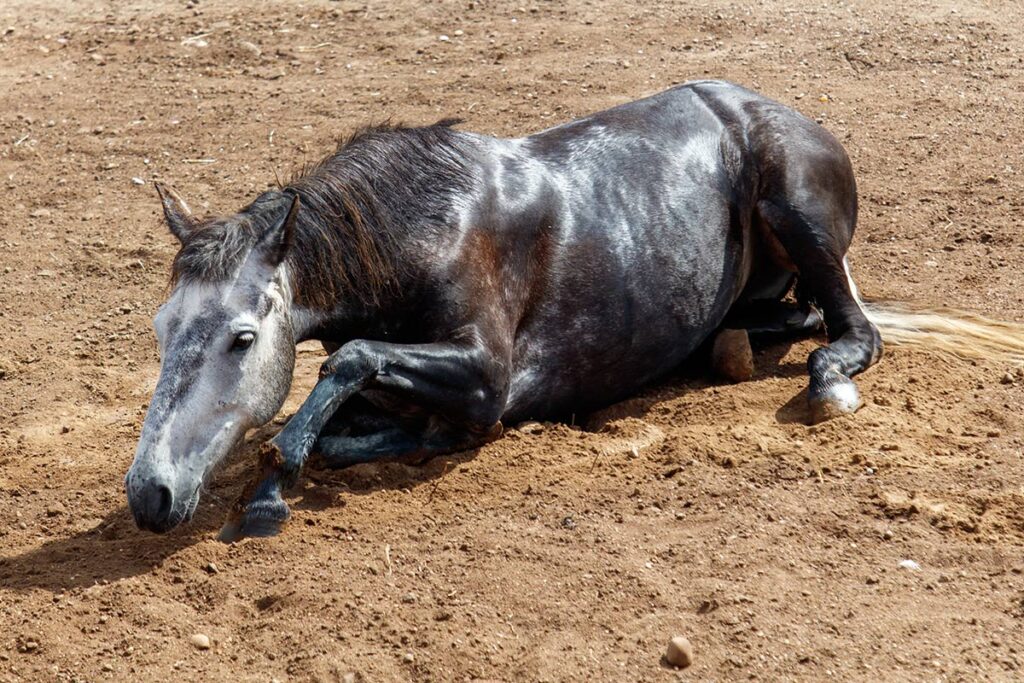
Dr. Michael Fugaro describes when it’s okay to let your horse move around and lie down during a colic emergency and when you should keep him standing.
Dr. Bianca Ruspi explains how owners can reduce their horse’s risk of colic in this Ask TheHorse Live excerpt.

Learn all about colic in horses, how veterinarians manage it, and ways to prevent it in this Ask TheHorse podcast. Sponsored by CareCredit.

Discover what scientists are learning about this dynamic area of research and how we can use it to promote equine health.

Can feeding hay cut later in the season lead to impaction colic in horses?

How veterinarians navigate 4 common scenarios, from dehydration to the postpartum period, that increase colic risk.
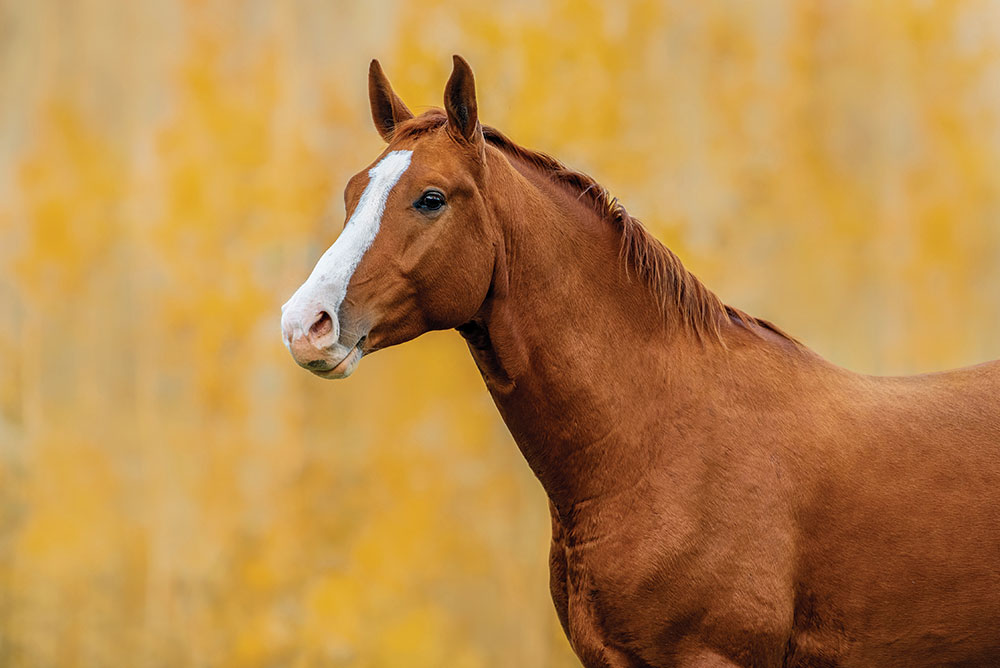
Let’s take a look back at our readers’ favorite content in 2025 from the mare gestation calculator to equine wound care.

Late in pregnancy, mares’ abdominal space is limited, and they can experience colic.

Learn about 14 types of colic, or abdominal pain, in horses and their prognoses.
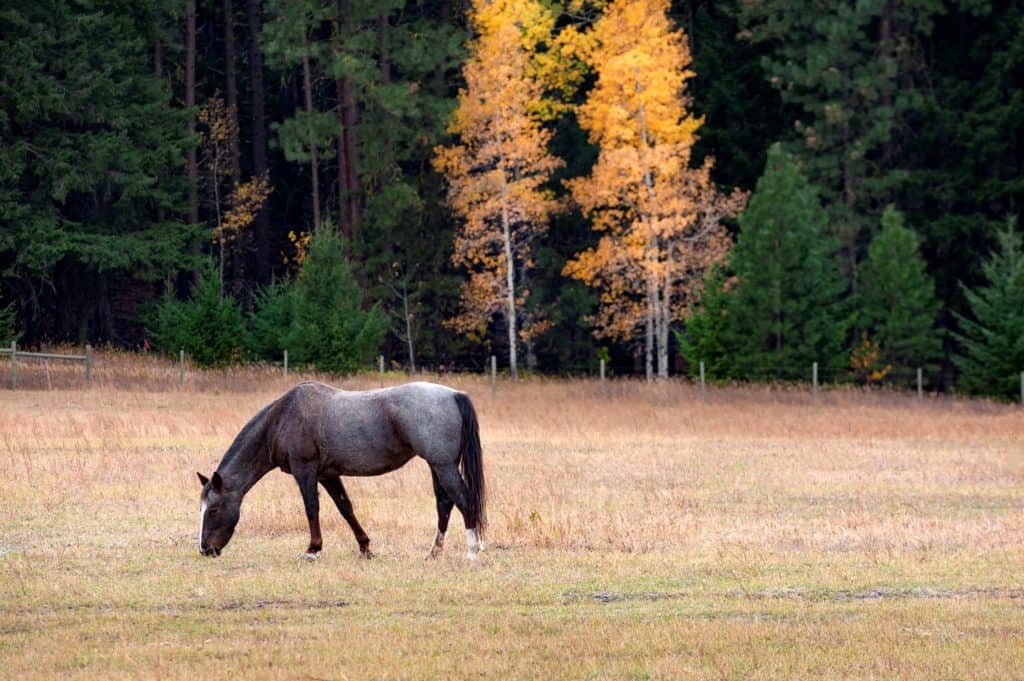
Nutritionist Dr. Clair Thunes shares advice on how to reduce your horse’s risk of colicking this fall.

Follow these 5 tips for feeding horses with recurrent colic while awaiting a diagnosis or targeted treatment.
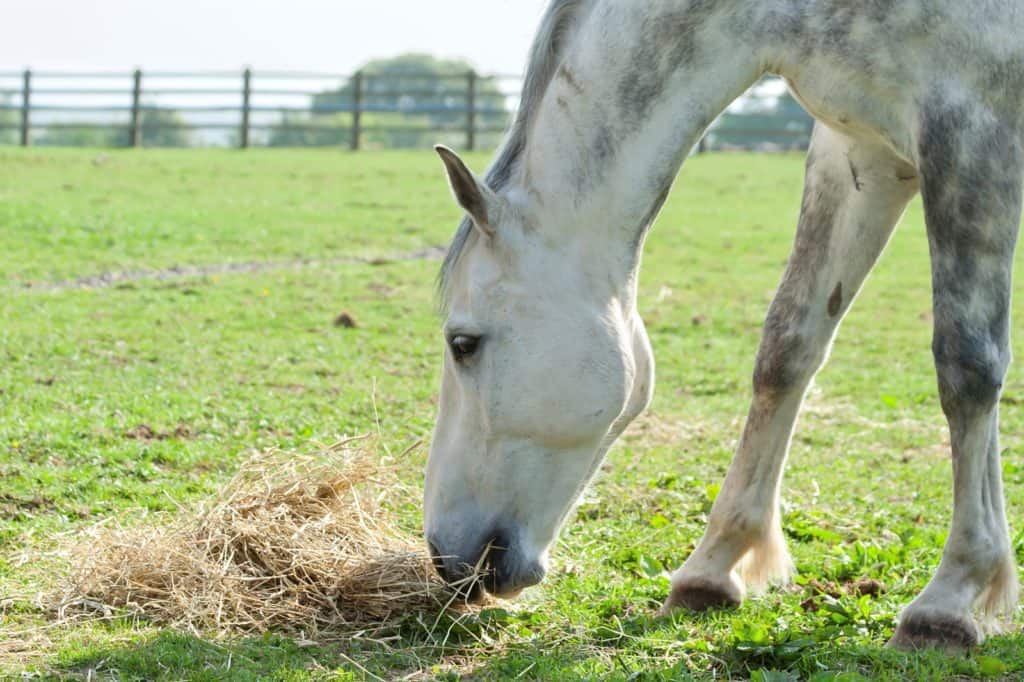
Learn about feeding your new horse during transport, quarantine, and the first few weeks at his new home.

Do you know what to do–and just as importantly, what not to do–if your horse displays vague, mild, or serious signs of what might be colic? Your answer could save your horse’s life. Sponsored by Kentucky Performance Products.