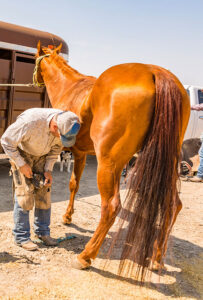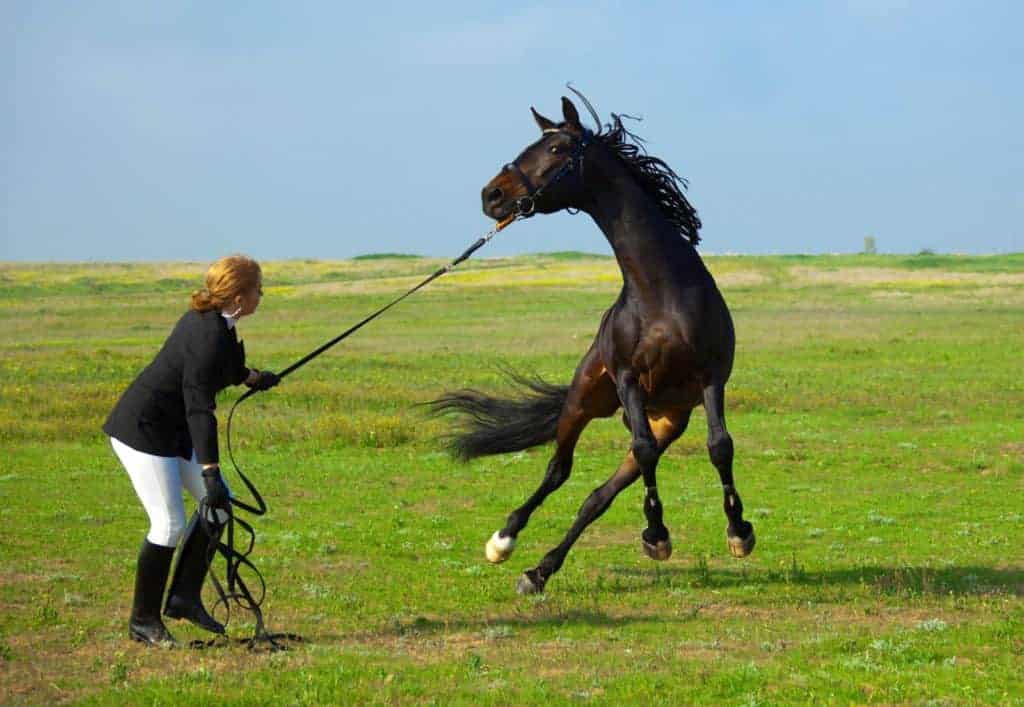
13 Tips to Help Horses Handle Show Stress
Traveling to horse shows (and clinics) can cause your horse stress and put him at risk for behavioral issues, gastric upset, and infectious disease.

Traveling to horse shows (and clinics) can cause your horse stress and put him at risk for behavioral issues, gastric upset, and infectious disease.
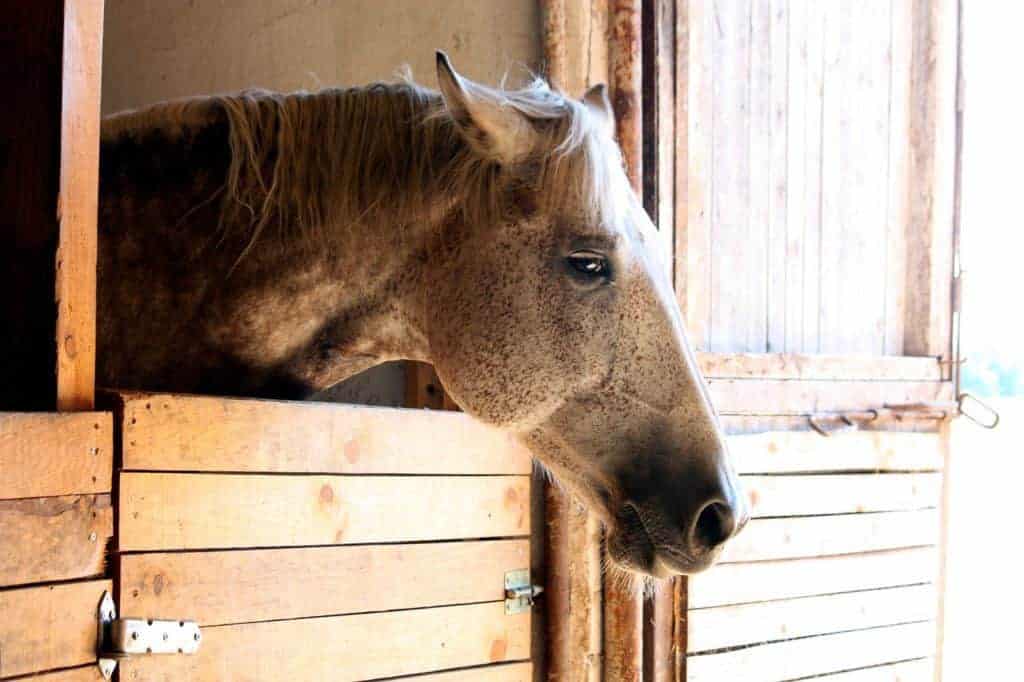
Chronic diarrhea in horses has many possible causes, from sand accumulation to lymphoma. Find out how veterinarians diagnose and manage these challenging cases.

While steeped in tradition, feeding bran mashes can cause GI distress in horses. Learn why, and discover alternatives.
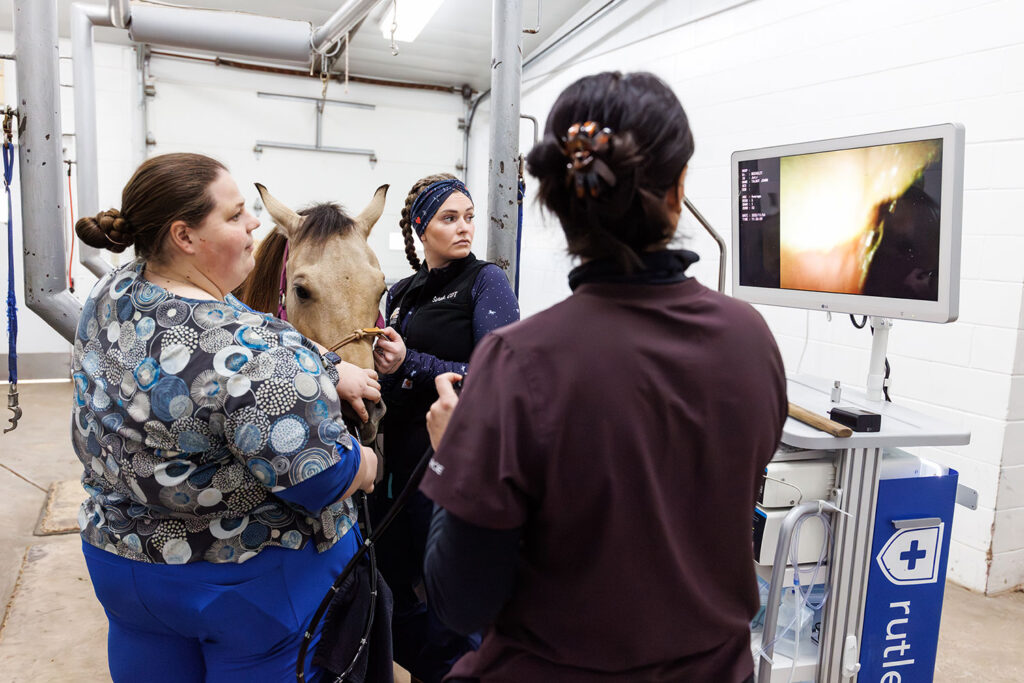
Two veterinarians answer your equine gastric ulcer questions during this recent Ask TheHorse podcast episode. Brought to you by Bimeda.

Learn how veterinarians distinguish fecal water syndrome from true chronic diarrhea in horses, uncover likely causes, and guide management.

Learn about colic considerations specific to senior horses, especially those with underlying health issues such as metabolic problems.

Two veterinarians explain when a horse might need colic surgery and how your veterinarian might determine this on the farm.
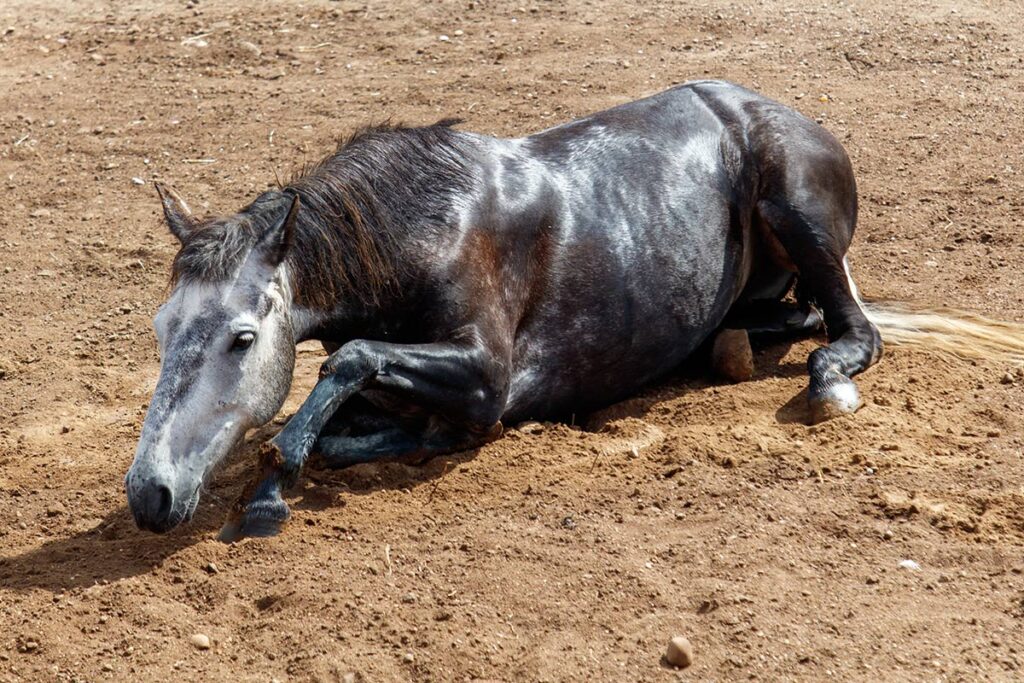
Dr. Michael Fugaro describes when it’s okay to let your horse move around and lie down during a colic emergency and when you should keep him standing.
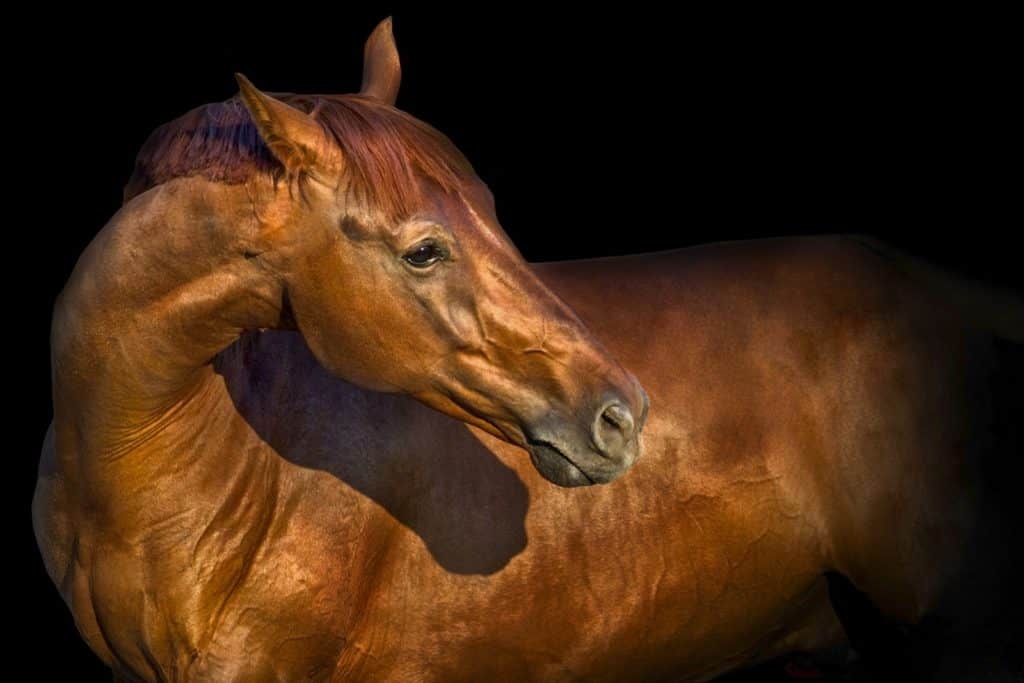
Dr. Bianca Ruspi explains how owners can reduce their horse’s risk of colic in this Ask TheHorse Live excerpt.

Learn about the differences between squamous and glandular disease and why you should tailor management tactics to the specific condition.

Is your horse’s diet and microbiome to blame for bad behavior? In this article we’ll break down the research.
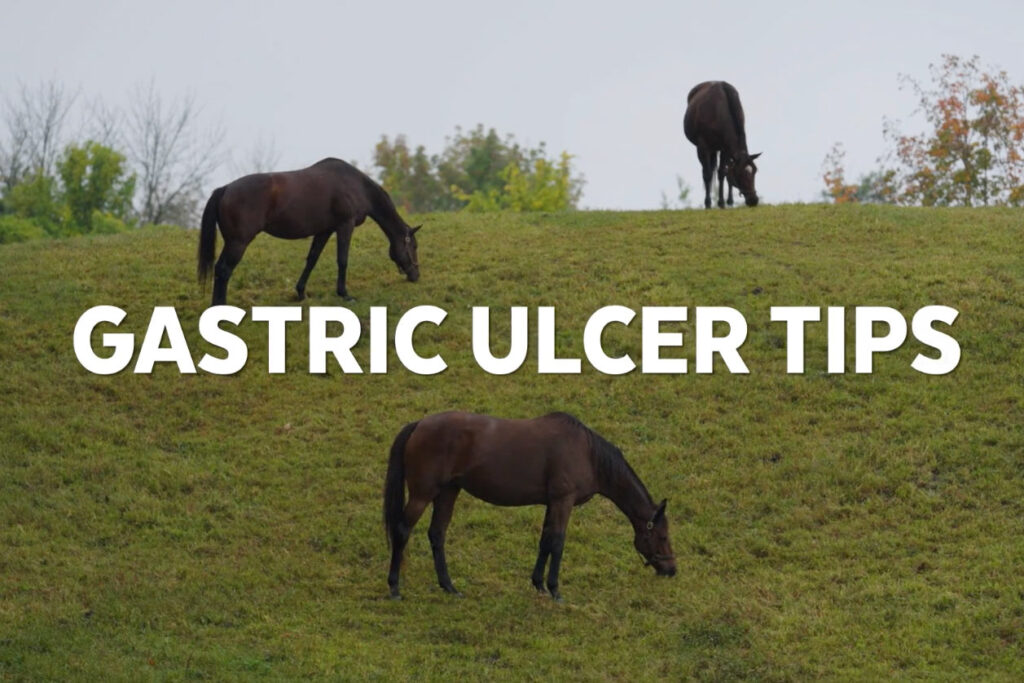
Find out why some horses might not fully recover from gastric ulcers and how veterinarians manage these cases. Sponsored by Kelato.

Learn all about colic in horses, how veterinarians manage it, and ways to prevent it in this Ask TheHorse podcast. Sponsored by CareCredit.

Researchers have shown feeding horses alfalfa prior to riding can help buffer stomach acid and offers relief for ulcer-prone horses. But is hay or a pellet better?

Read about 9 physical and behavioral reasons your horse might be kicking up his heels.
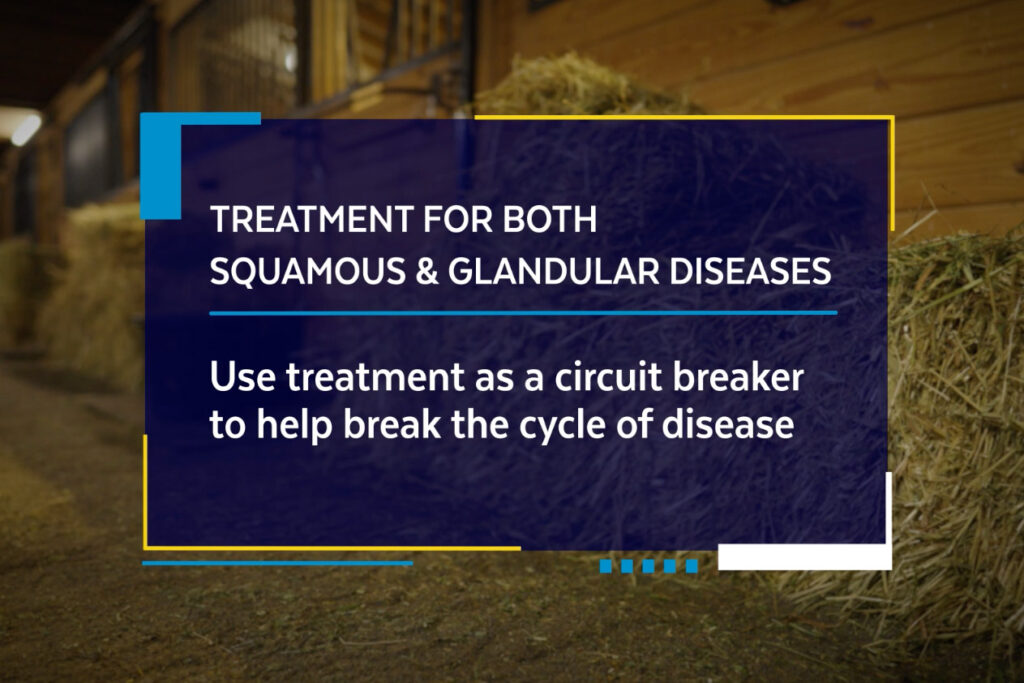
Treating equine gastric disease requires an accurate diagnosis and pharmacological therapy combined with management changes. Sponsored by Kelato.