Horse breeding from planning through foal care
Prevention and treatment for problems of the equine foot
Proper feeding practices for foals, adult horses, and older horses
Discussions about the welfare of our equine friends
Horse-heath-problem risk factors, prevention, diagnosis, and treatment
How to care for the basic health needs of horses
All aspects of caring for performance horses
Design and maintain a healthy horse operation
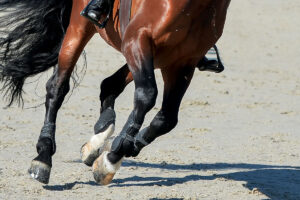
Prevention, diagnosis, and treatment of leg lameness
News and issues for equine health professionals
Important milestones and common health issues in equine neonates
Strangles Cases Confirmed in 2 Florida Counties
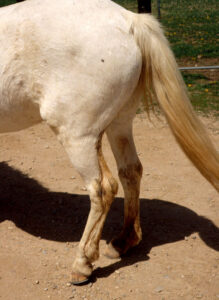
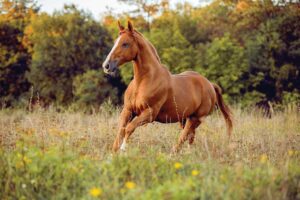
Crooked Lope: Training Issue or Lameness?
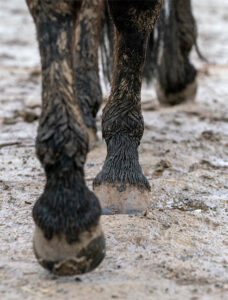
Small Feet, Big Responsibility: Hoof Care for Foals
Feeding Horses That Have Dry Skin
26-Year-Old Wisconsin Gelding Tests Positive for Strangles
Taking the Edge Off: Calming Supplements for Horses
EDCC Health Watch
2025 AAEP Convention
2025 ESS Symposium
Animal behavior experts field your questions about why your horse does XYZ.
Equine nutritionists respond to queries about forage, grain, supplements, and other related topics.
Veterinarians and researchers tackle questions about equine athletes.
The Horse’s experts answer your questions during a monthly live audio event.
Join us as we interview leading equine researchers.
Every month The Horse has an in-depth conversation with a respected equine nutritionist or veterinarian about a topic important to horse owners and professionals.
Quick referenced of horse conditions, diseases and health topics
Checklists and identification forms for horse owners
Horse Health GlossaryGet-A-DVMNew ProductsPollsTheHorse.com en Español
Share:
Please login to access.
If you think your horses have herpes, restrict movement for three weeks and use strict biosecurity.
Written by:
Stay on top of the most recent Horse Health news with
Don’t have an account? Register for a FREE account here.
"*" indicates required fields
This website uses cookies so that we can provide you with the best user experience possible. Cookie information is stored in your browser and performs functions such as recognising you when you return to our website and helping our team to understand which sections of the website you find most interesting and useful.
Strictly Necessary Cookie should be enabled at all times so that we can save your preferences for cookie settings.
 If you think your horses have herpes, restrict movement for three weeks and use strict biosecurity.
 If you think your horses have herpes, restrict movement for three weeks and use strict biosecurity.