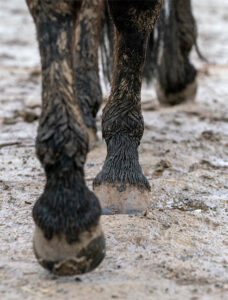
The entire horse industry is working toward the goal of eliminating catastrophic injuries. Many factors contribute to injuries, including durability of the horses, use of pharmaceutical drugs too close to racing, differences in track surfaces, and underlying musculoskeletal disease.
This free report provides the horse owner and caretaker with an overview of the cause and prevention of catastrophic injuries.