Colic Causes
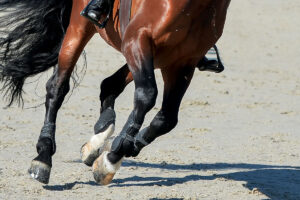
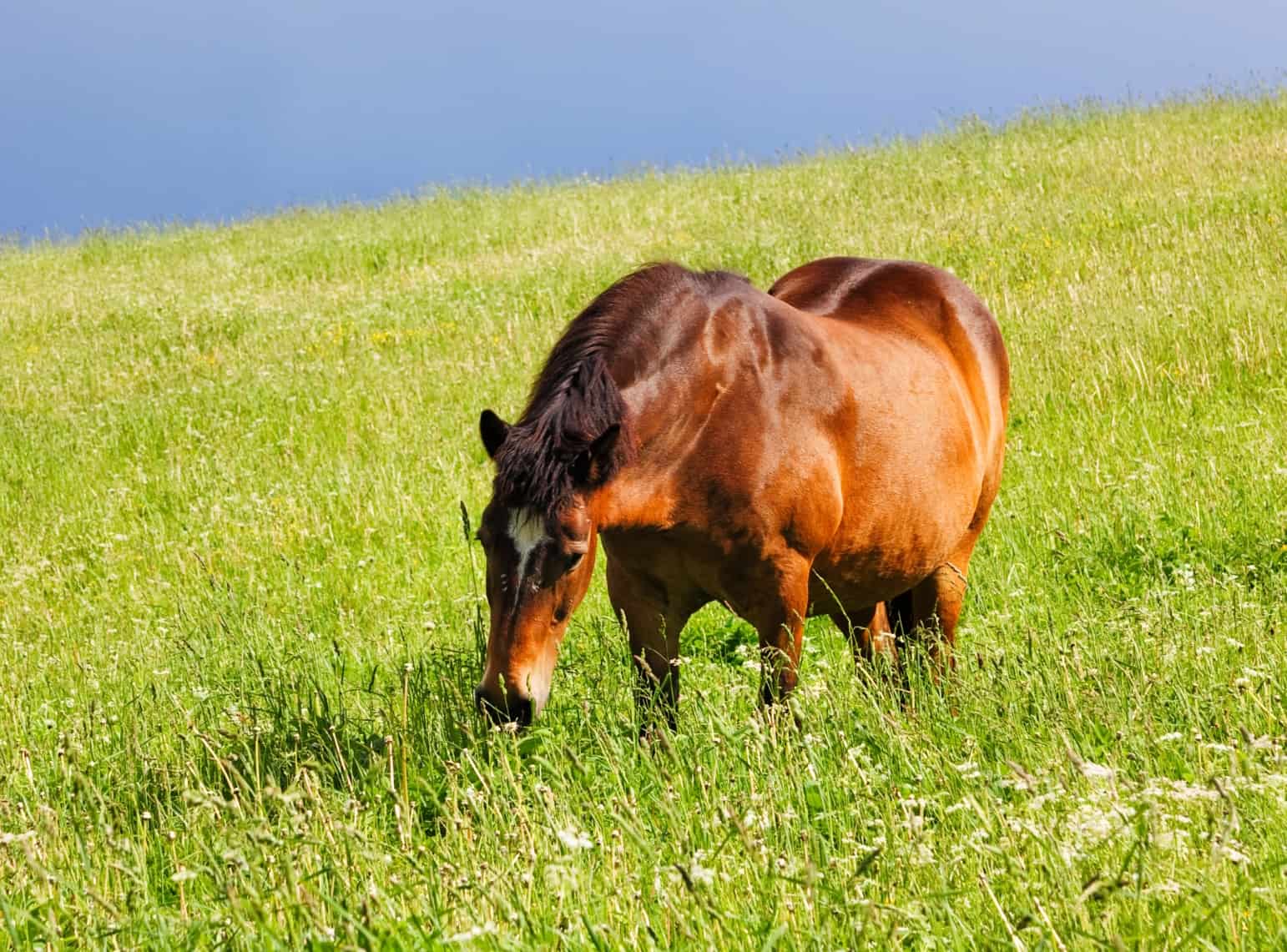
Colic is gastrointestinal upset and pain, sometimes severe, usually related to gas or an intestinal impaction (blockage) that can lead to death in horses. An abrupt feed change, such as grazing on rich grass after not having pasture access, is a common colic cause. Other culprits can include internal parasite burdens, dehydration, gastric ulcers, infection, stress, foaling, and more. | Photo: Photos.com
Lethargy
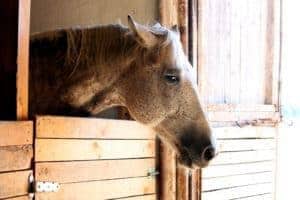
Lethargy and depression are common clinical signs associated with the early onset of colic. The horse might seem listless or quieter than normal. | Photo: Anne M. Eberhardt/The Horse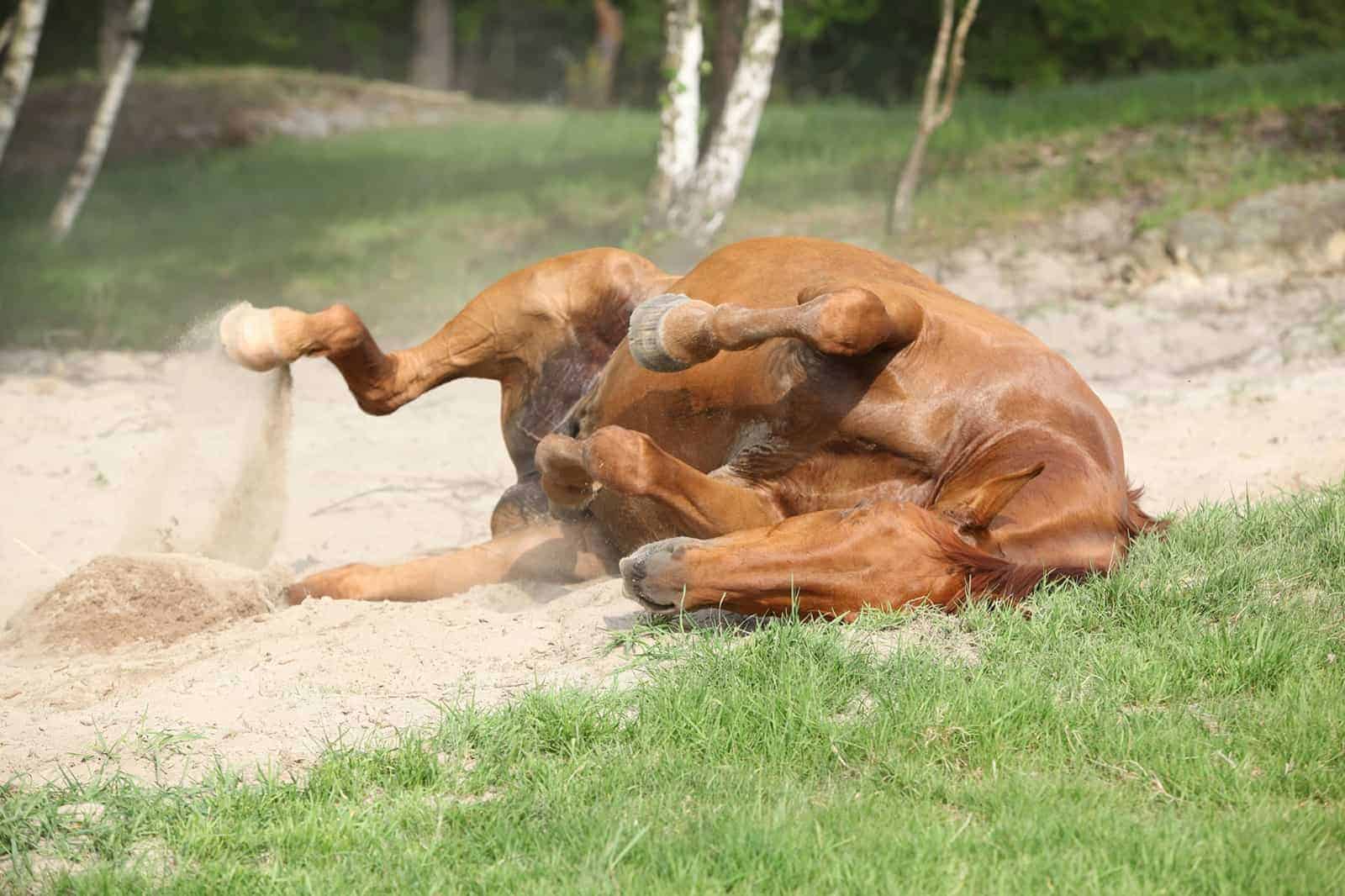
Violent Rolling and Kicking
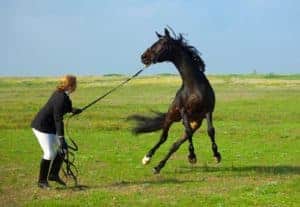
Other clinical signs include the horse pawing, kicking at its belly, looking at its flank, getting up and down repeatedly, or rolling violently in response to colic-associated pain. | Photo: iStock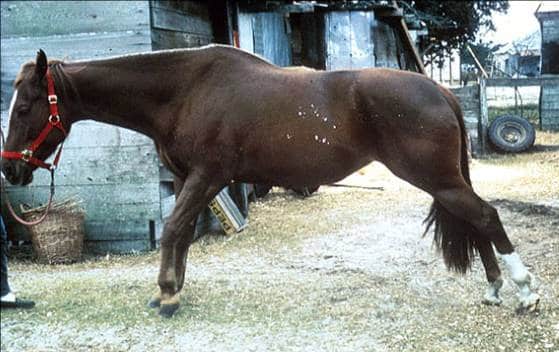
Stretching
In an effort to relieve abdominal pain, the horse might stretch out and stand in a “parked” position. | Photo: Courtesy Dr. P.O. Eric Mueller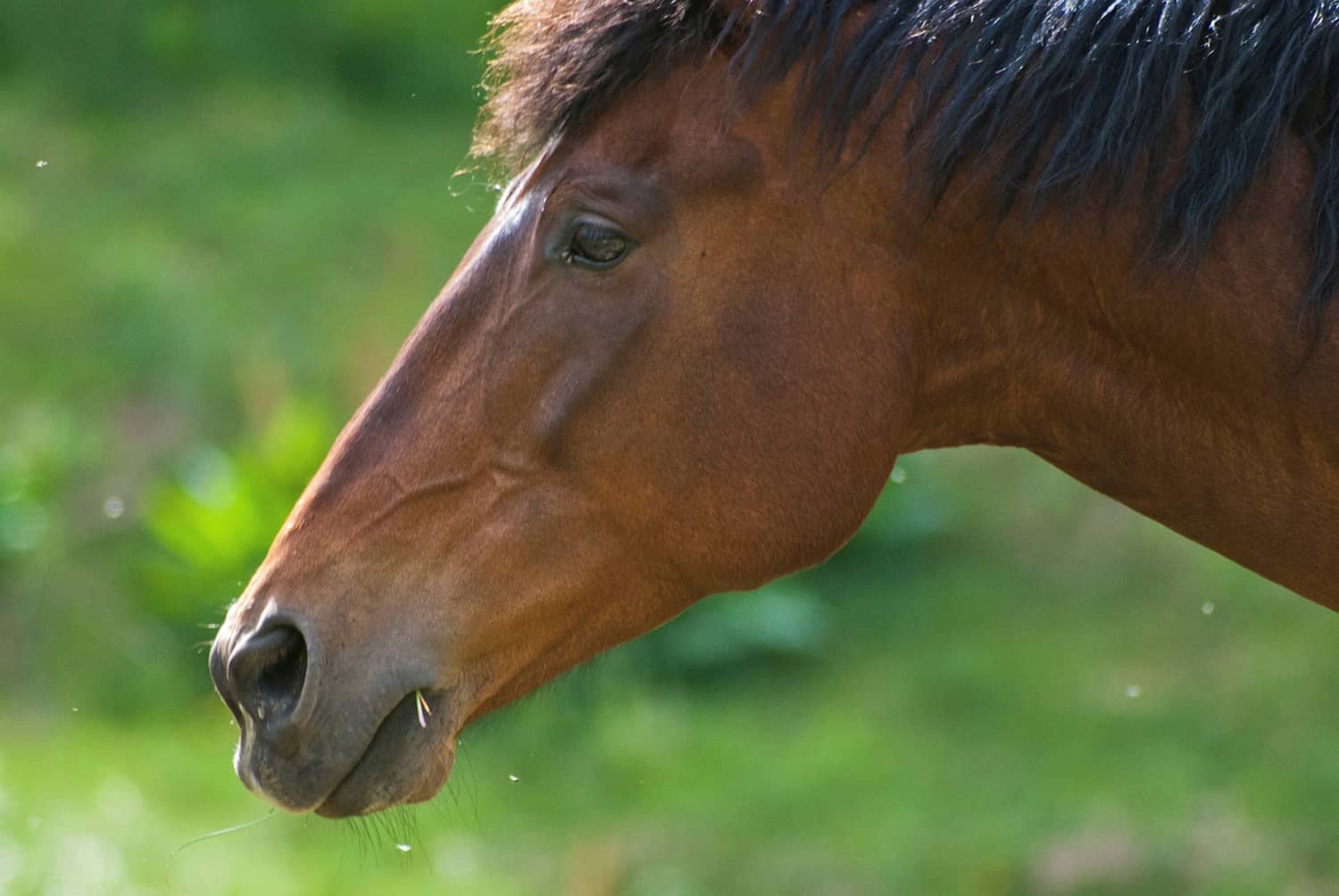
Increased Respiration and Heart Rate
A colicking horse will also have an increased respiration rate noted by flaring nostrils and rapid breaths (normal respiration for an adult horse is 12-14 breaths per minute). The horse’s pulse will increase, as well, from its normal rate of 32 to 36 beats per minute in a mature animal. | Photo: iStock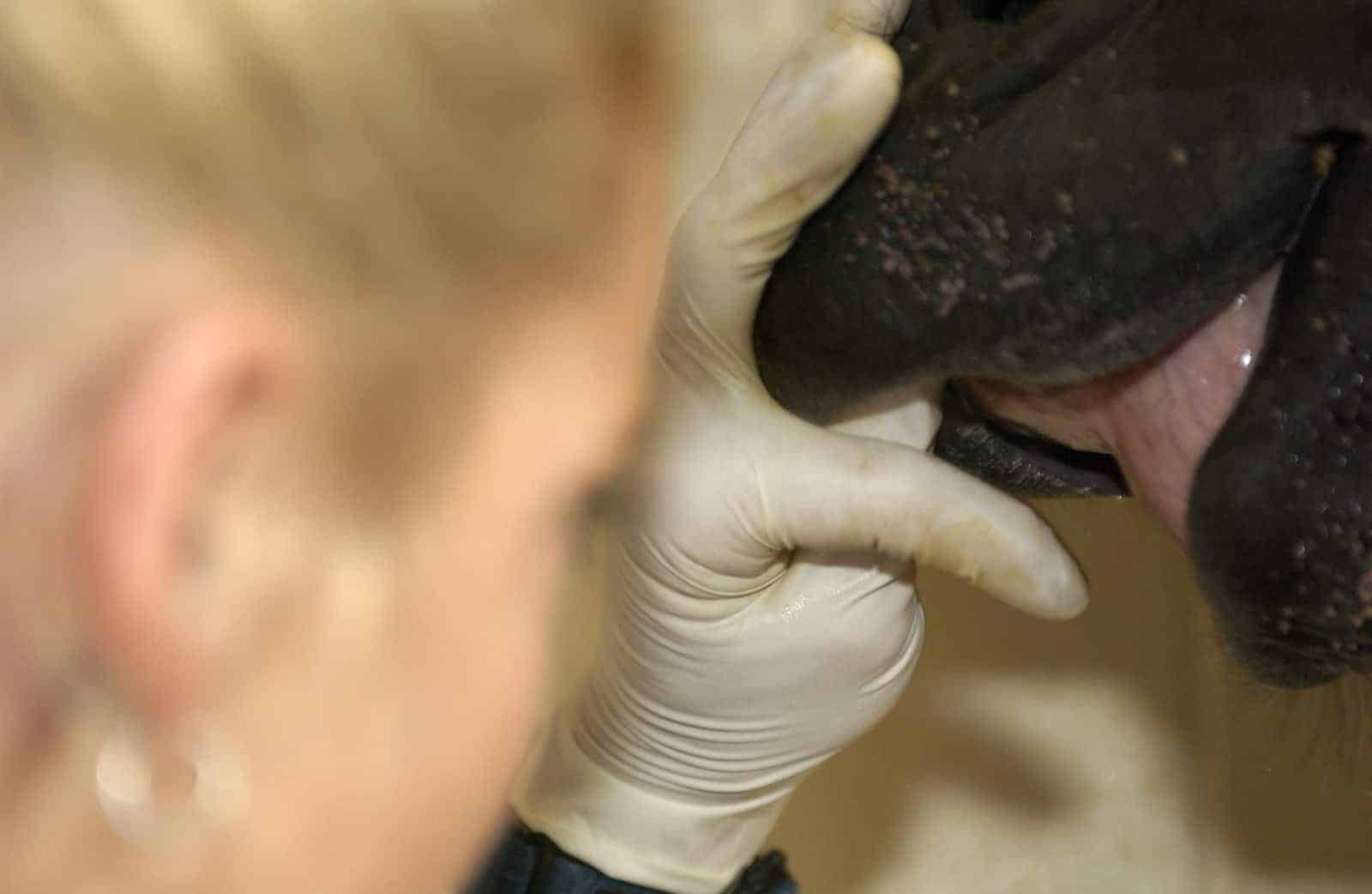
White Gums
Colicking horses often have slow capillary refill time and white gums, which is a sign of shock. | Photo: Anne M. Eberhardt/The Horse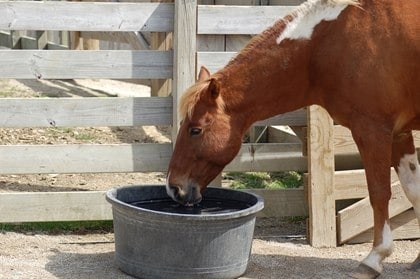
Not Eating or Drinking
A colicking horse often won’t have an appetite and might stare at its water source or play with water without drinking. Additionally, the horse might unsuccessfully strain to defecate and/or urinate. | Photo: Photos.com
Hand Walking
Hand walking is often—but not always—advised for horses exhibiting clinical signs of colic. Talk to your veterinarian to know if walking is right for your horse during a colic episode. | Photo: Anne M. Eberhardt/The Horse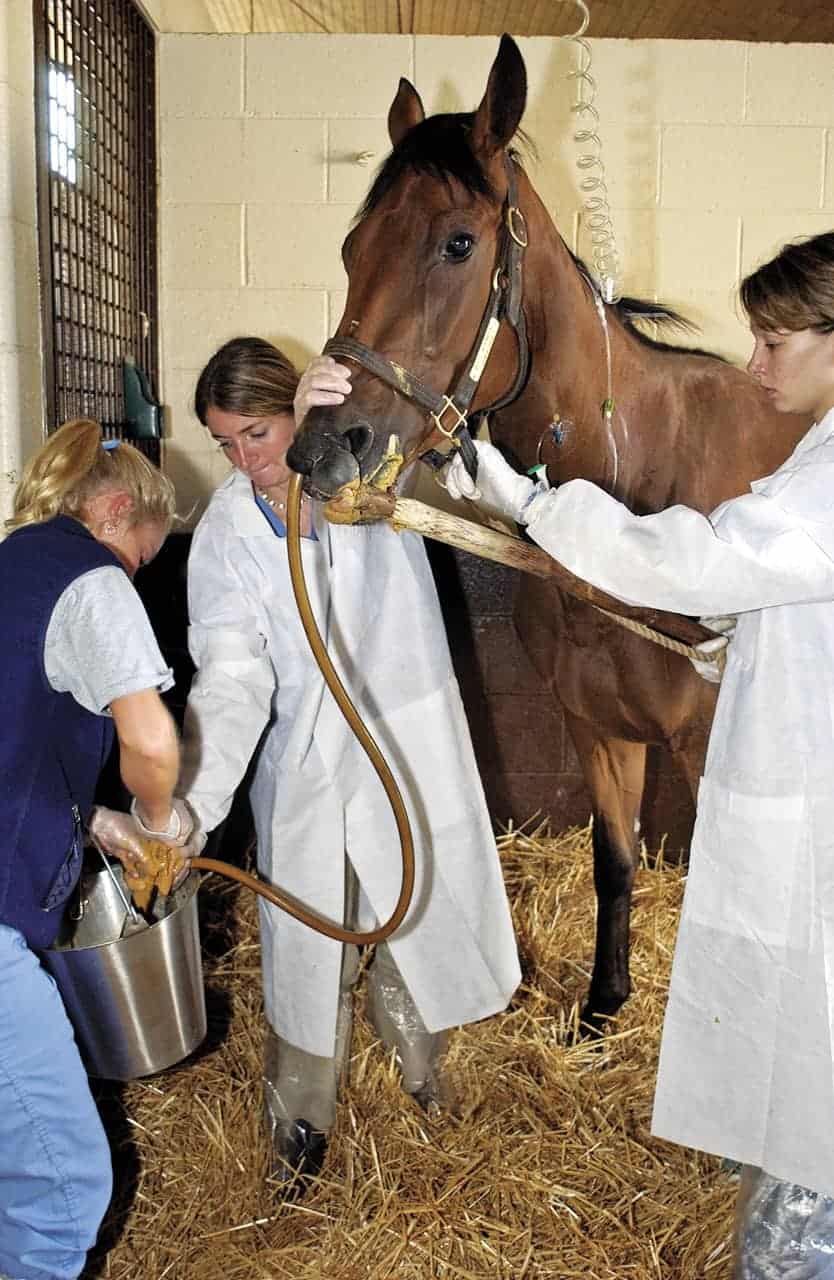
Initial Treatments
After a medical examination, your veterinarian might administer medications to help alleviate pain and promote gut motility. Your veterinarian might also deliver fluids via a nasogastric tube. | Photo: Anne M. Eberhardt/The Horse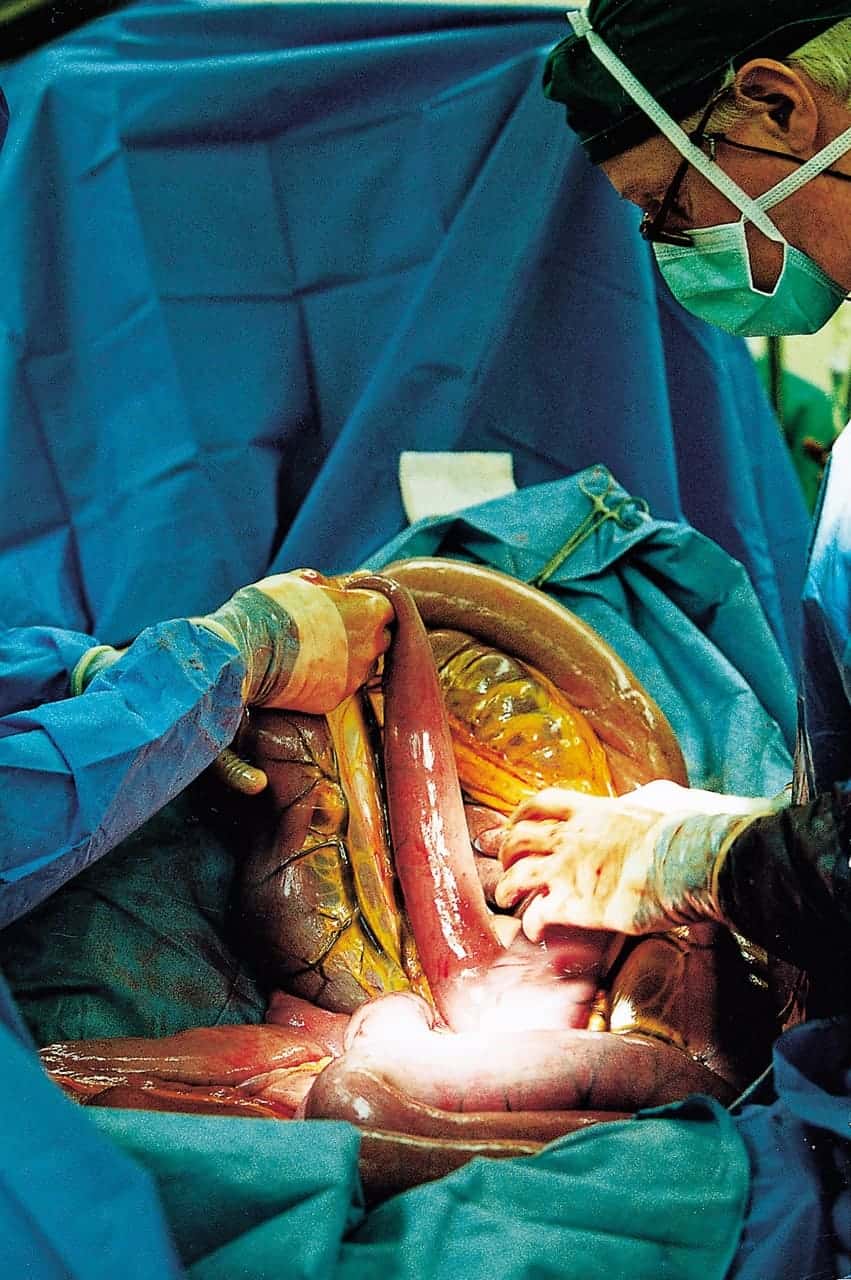
Colic Surgery
Some colic cases don’t resolve with medical care and require surgical intervention. | Photo: Anne M. Eberhardt/The Horse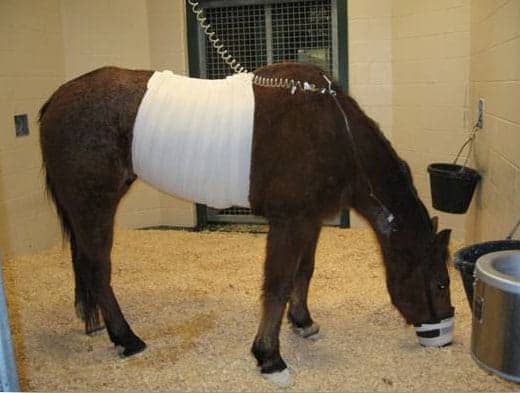
Post-Surgery
Although recovering from colic surgery takes time, many horses return to their previous level of athletic work. | Photo: Amelia Munsterman, DVM, MS, Dipl. ACVS, ACVECC, CVA