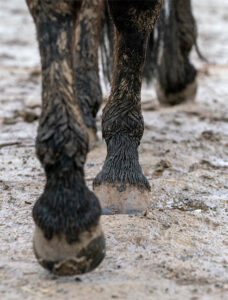
Learn how your horse’s body works in this free special report about equine anatomy and physiology. This first article of a 12-part series provides an overview of horse anatomy and physiology along with basic terminology essential when discussing various conditions with a veterinarian.
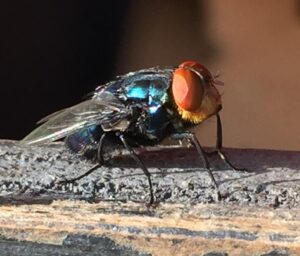
The article takes an in-depth look at the horse’s largest organ, its skin, how it functions to protect underlying tissues, and aids in thermoregulation. Also covered are ailments and pests that make war on the skin like dermatitis, rain rot, mange, lice, dandruff, biting insects, or hyperelastosis cutis which often results in a death sentence for the horse.
We also take a brief look at the different parts of the horse’s anatomy covered in subsequent installments of the anatomy and physiology series.