Article
In Disaster's Wake: Horses and the Devastation
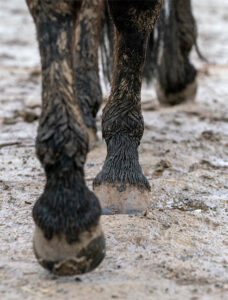
After weathering a natural disaster, take steps to reduce your horses' chances of infection or injury.
Photo by Anne M. Eberhardt
How-To
How To: Condition Your Horse for Summer Riding
Dr. Erica McKenzie shares how to get your horse into riding shape after a winter's rest.
Photo by Photos.com
Article
Stabilizing Equine Limb Fractures in the Field (AAEP 2012)
Properly stabilizing of equine limb fractures helps improve the chances of successful surgical repair.
Photo by The Horse Staff
More Articles
- 2013 ISES Conference Early Bird Registration Extended
- Reported Equine Deaths Exceed 150 in Oklahoma
- TOC Commits to Uniform Racehorse Medication Program
- Stabilizing Equine Limb Fractures in the Field (AAEP 2012)
- Georgia Horses Removed from Flood Zone
- Study: Pasturing Stallions Together is Possible
- AAEP Foundation Aids Horses Affected by Severe Weather
- Enhanced Security Measures for Belmont Stakes Horses
- Understanding Mare and Foal Behavior (AAEP 2012)
- Oklahoma Horse Owners Face Tornado Devastation
Farm Call: Your Questions Answered
Q. Do you know of any research on how to reduce iron overload in horses that already are insulin resistant and have foundered? Is there an equine equivalent of chelation therapy to flush out toxins or heavy metals?
Smart Horse Keeping
Determining Space Requirements for Manure Storage
Building your horse property or relocating your manure storage? Here are some factors to consider when figuring out how much space you'll need for your manure or compost pile.